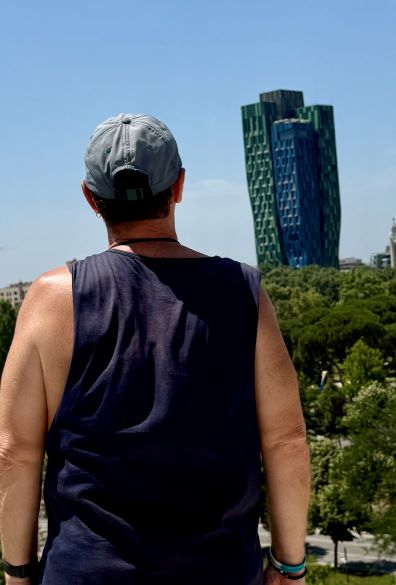
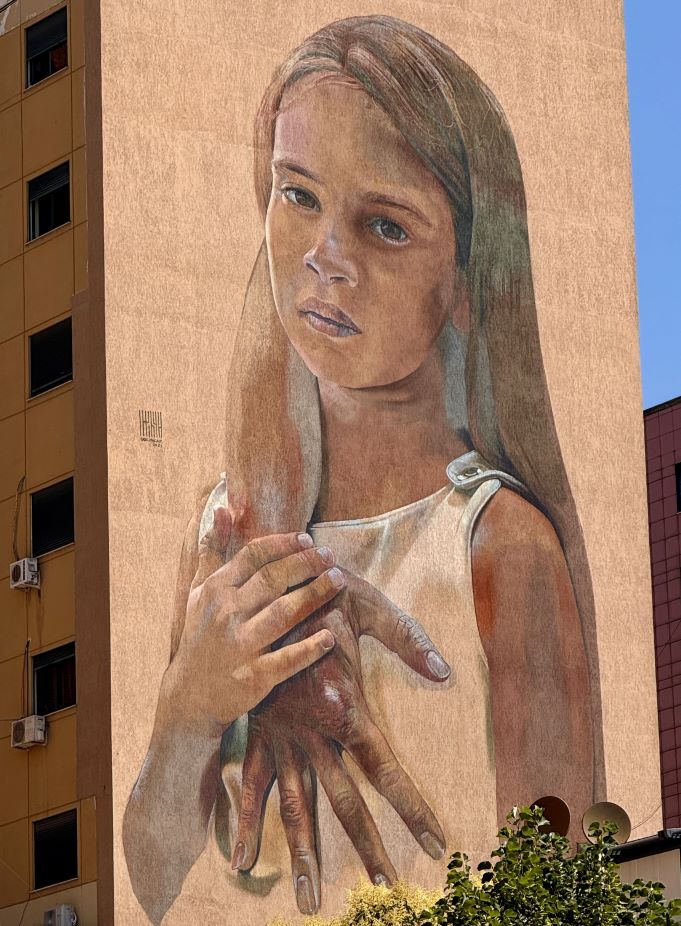
My first impressions of Tirana are that the regional bus stations are very far from the centre and that the city is building structures at a ferocious rate, rapidly becoming one of Europe’s most exciting cities for modern architecture. Yet, the vibrant city is also full of surprises, from hidden bunkers to unique and colourful street sculptures and murals, a rich but disturbing history, a buzzing café culture, and a friendly and welcoming population who go above and beyond to help tourists find their way.
As the capital of Albania, Tirana is a fascinating city that was politically, economically, and socially closed off to the world for over 45 years under communist rule from 1944 to 1991. Today, this unique city is rapidly making up for lost time, with an abundance of interesting modern architecture contrasting with an absorbing, but also tragic, recent history.
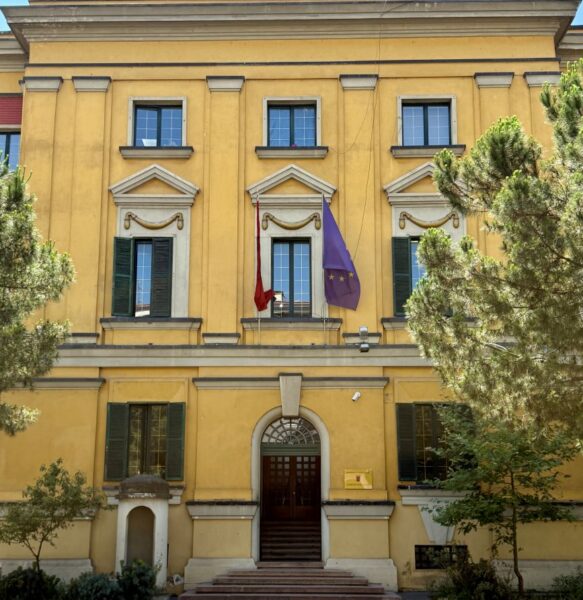
Tirana was founded in 1614 by Sulejman Pasha Bargjini, who built the first mosque, public baths and a bakery. Under the influence of the Ottoman Empire, it gradually developed into an important 18th century trading centre, specialising in textiles, ceramics and metalwork. After Albania gained independence in 1912 and following the end of World War I, it was decided that Tirana would become Albania’s capital due to its central location. During this time, Italian and Austrian architects were commissioned to modernise the city, resulting in many of the neo-classical buildings seen today around Skanderbeg Square.
Tirana served as the centre of the country’s resistance during the successive Italian and German occupations in World War II. After the war, the city was shaped by communist rule, which included significant urban development projects and the suppression of all religions as the government enforced Albania’s status as an atheist country. With the fall of communism in 1991, Tirana embraced democracy and free-market principles, experiencing substantial growth and development, heavily supported by Western countries.
MY HIGHLIGHTS
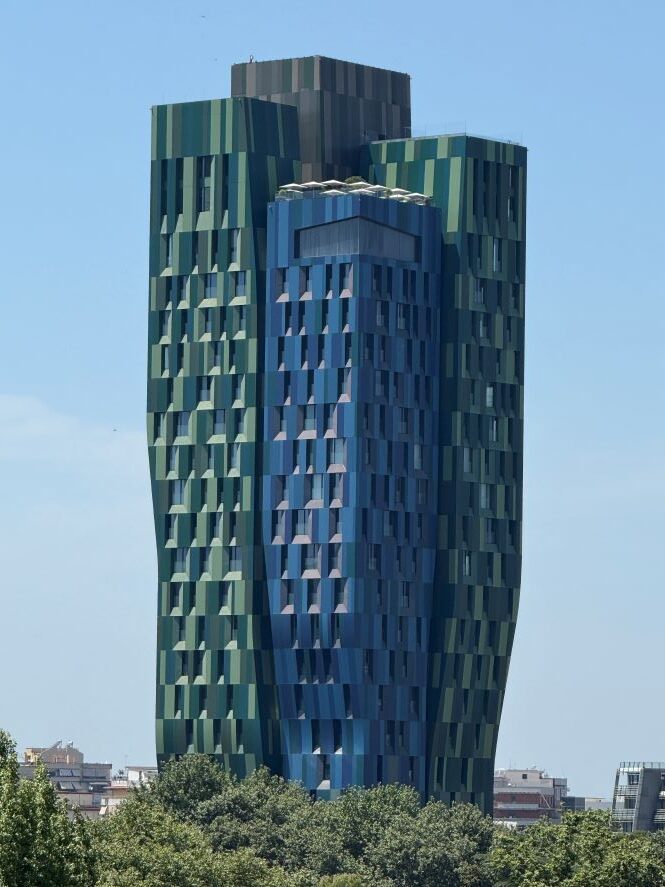
As a compact city, Tirana’s attractions can be seen within a couple of days, as they are within easy walking distance of each other. The exception being Bunk’Art 1 and the Dajti Ekspres cable car, both located 5 km northeast of the city, everything else is centred around Skanderbeg Square, which features a remarkable skyscraper shaped like a man’s head!
Skanderbeg Square
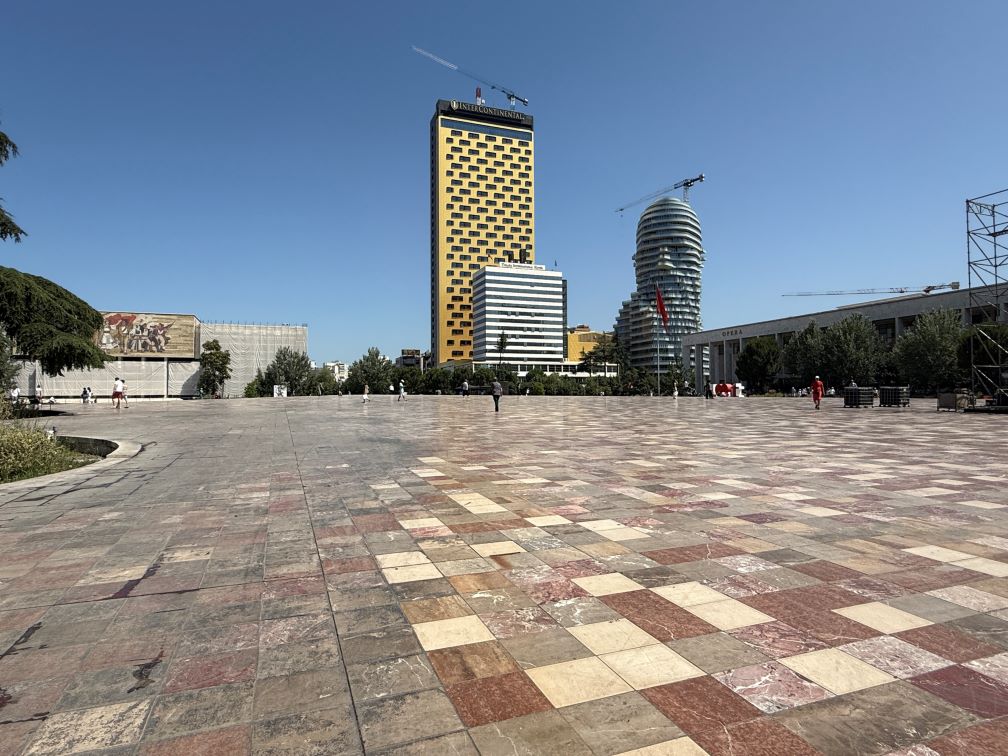
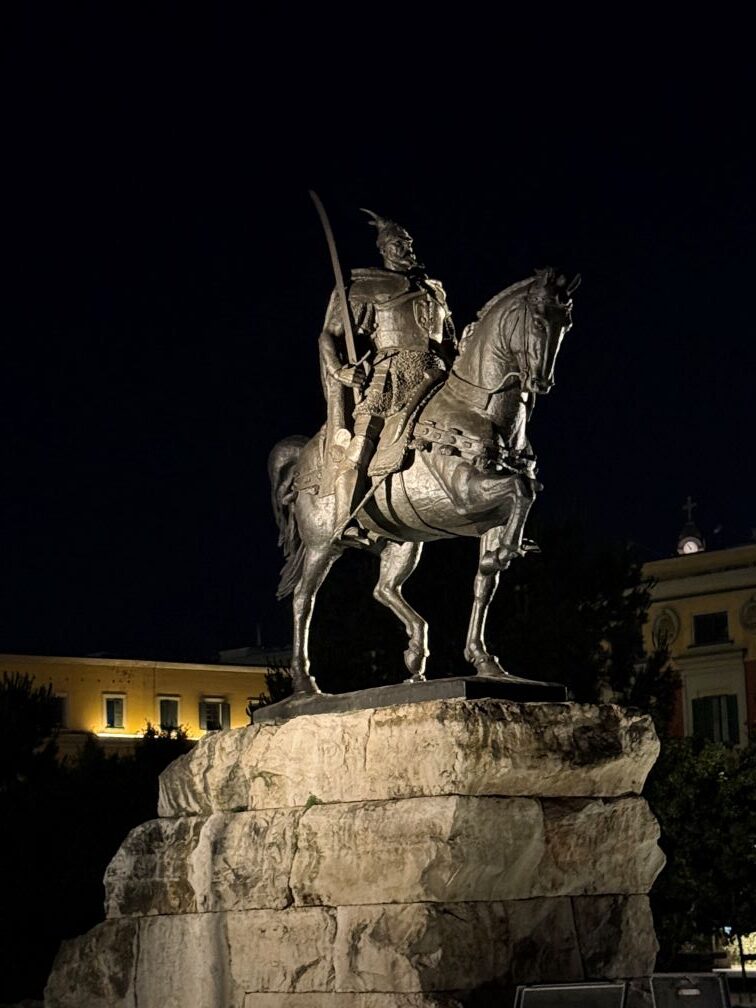
The first attraction I visited was Skanderbeg Square, the main focal point of the city. Surprisingly, until 2016, this square was a large traffic roundabout, which probably explains its slightly humpbacked expanse of stone slabs, allegedly the largest pedestrian area in the Balkans, covering 40,000 m². The square is bordered on the north side by the National Historical Museum and on the south by a statue of Albania’s national hero Skanderbeg, on horseback. To the east is the Palace of Culture, which contains the opera house, a foreign language bookstore, and numerous coffee shops, with various government buildings scattered around the perimeter of the square.
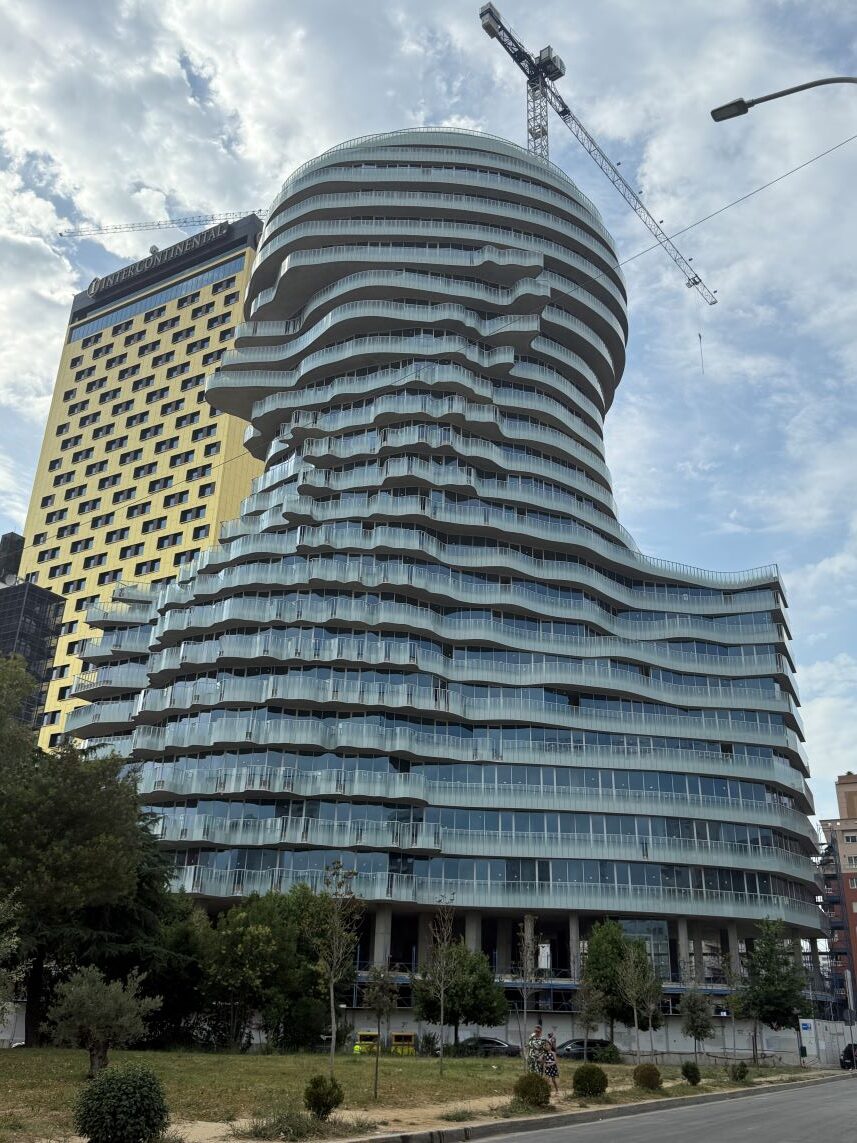
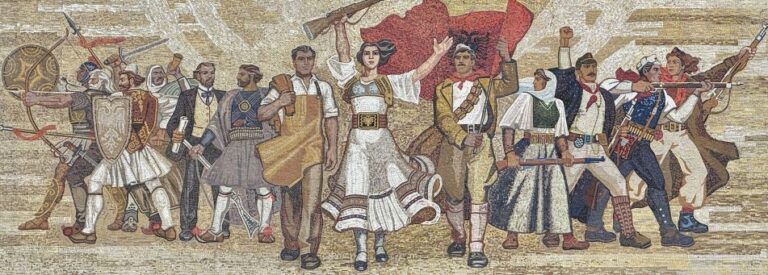
There are plenty of interesting things around the square, such as the different paving slabs that line the square are quarried from different parts of Albania, and many have the names of their regions stamped on them. In one corner, an impressive new skyscraper is being constructed in the shape of Skanderbeg’s head – and it does look very much like him. Outside of the National History Museum, facing the square, there is an amazing mosaic mural, The Albanians. Created by five artists in 1980, it illustrates a happy and proud nation, yet after the fall of communism, it was redesigned, removing yellow stars and altering the figure on the centre-left, who originally held a red communist book but now carries a sack over his shoulder. My, how things have changed!
Visited Et’Hem Bey Mosque and Namazgah Mosque
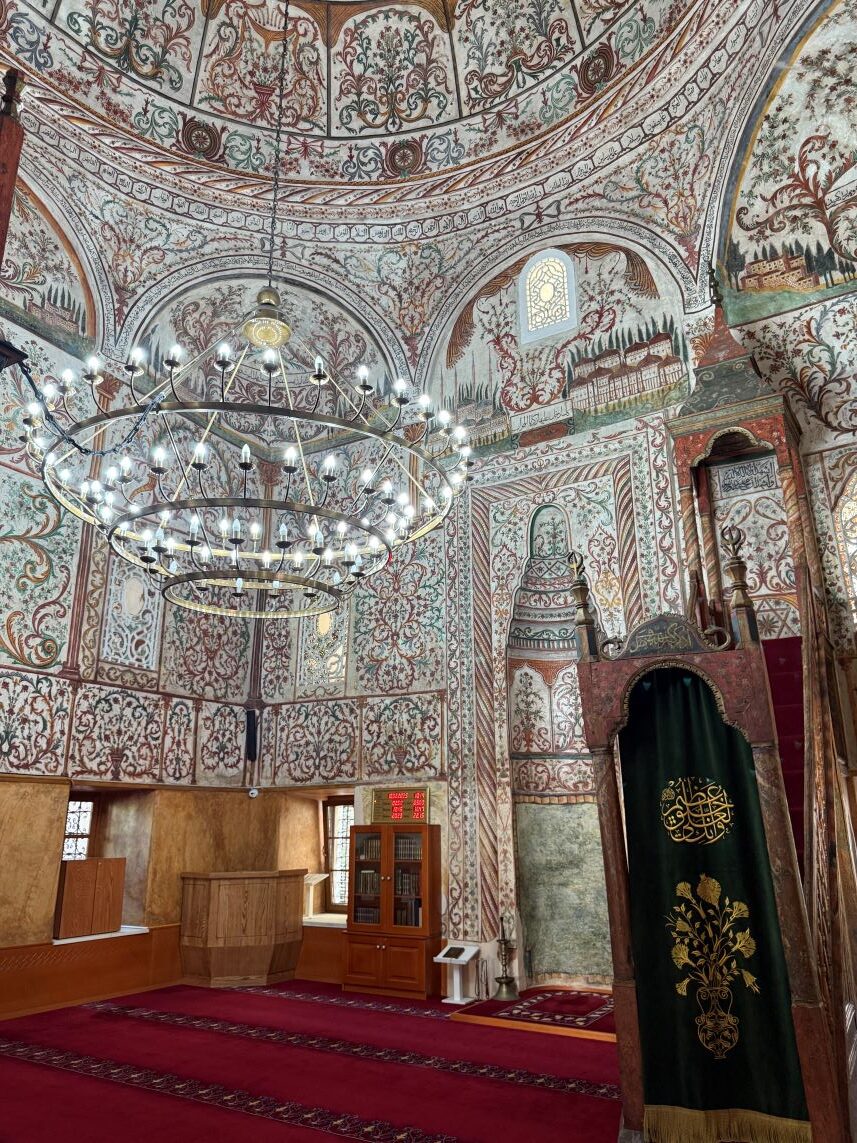
These two distinctly different types of mosques both hold equal historical significance. The Et’Hem Bey Mosque, built in the 18th century, was forcibly closed during the communist period due to the state’s policy on atheism, but was thankfully allowed to remain standing as a historical monument. With its beautiful and intricately painted nature murals that begin outside and slither their way inside, it was, in fact, its saviour as it was seen at the time as a cultural and artistic structure rather than anything religious. I have to say that although my visits to the mosque were free, the curators were quite insistent on receiving a donation, and they do monitor what goes into the box. Thankfully, my contribution was met with a smile!
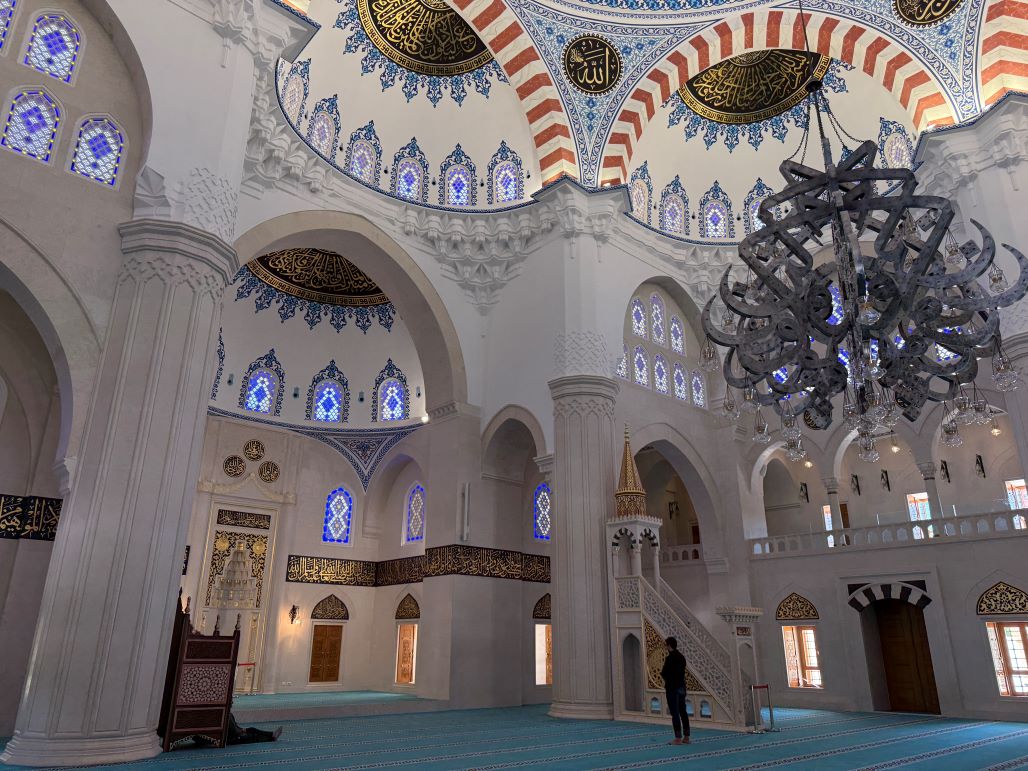
On the other hand, the Namazgah Mosque was recently opened in October 2024. With a capacity of 10,000 worshippers, it is reportedly the largest mosque in the Balkans. The decision to build this mosque addressed the long-standing need for a larger space to accommodate the many Muslims living in Tirana. It is an exceptionally beautiful structure, adorned with stunning calligraphy and intricate patterns, with the central chandelier resembling a collection of intertwined crescents, with numerous pretty lights hanging from it.
Tunelled through Bunk’Art 1 and Bunk’Art2 Underground Museums
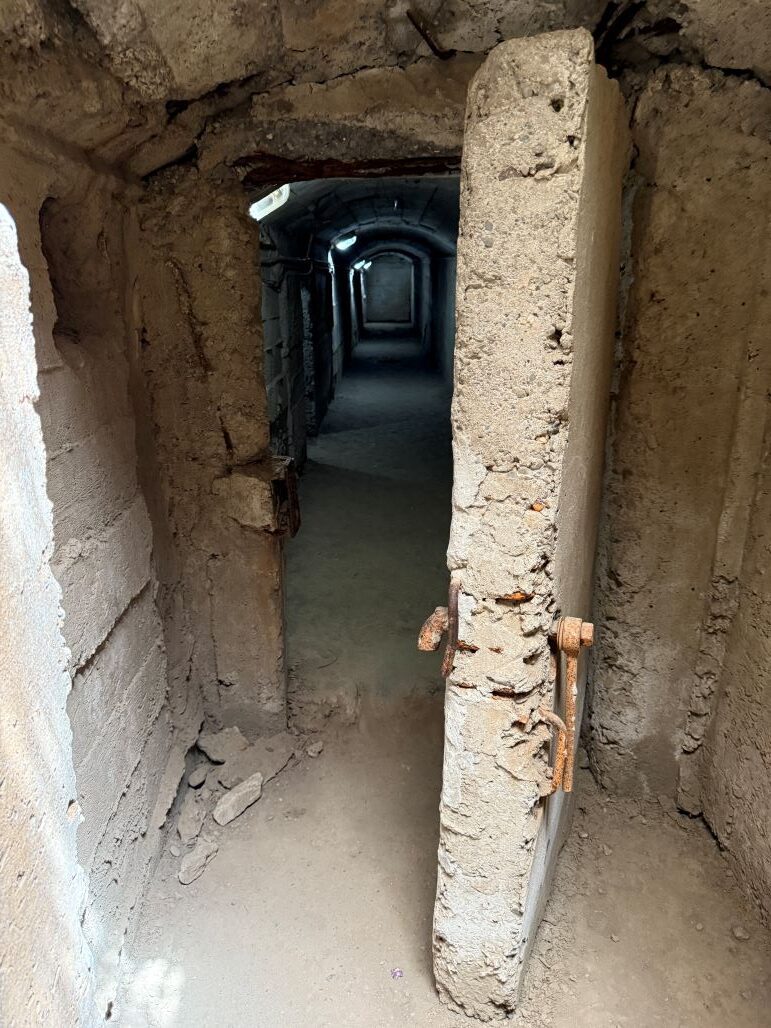
After World War II, Albania became a communist state ruled by dictator Enver Hoxha from 1945 until he died in 1985. During this time, Albania became one of the most isolated countries in the world. It is argued that Hoxha, fearing a nuclear attack from the West, had around 175,000 bunkers built throughout the country. Consequently, Albania is believed to be the most tunnelled country in the world after North Korea. I visited two very fascinating bunkers in Tirana, both of which have been turned into interesting museums.
… Bunk’Art 1
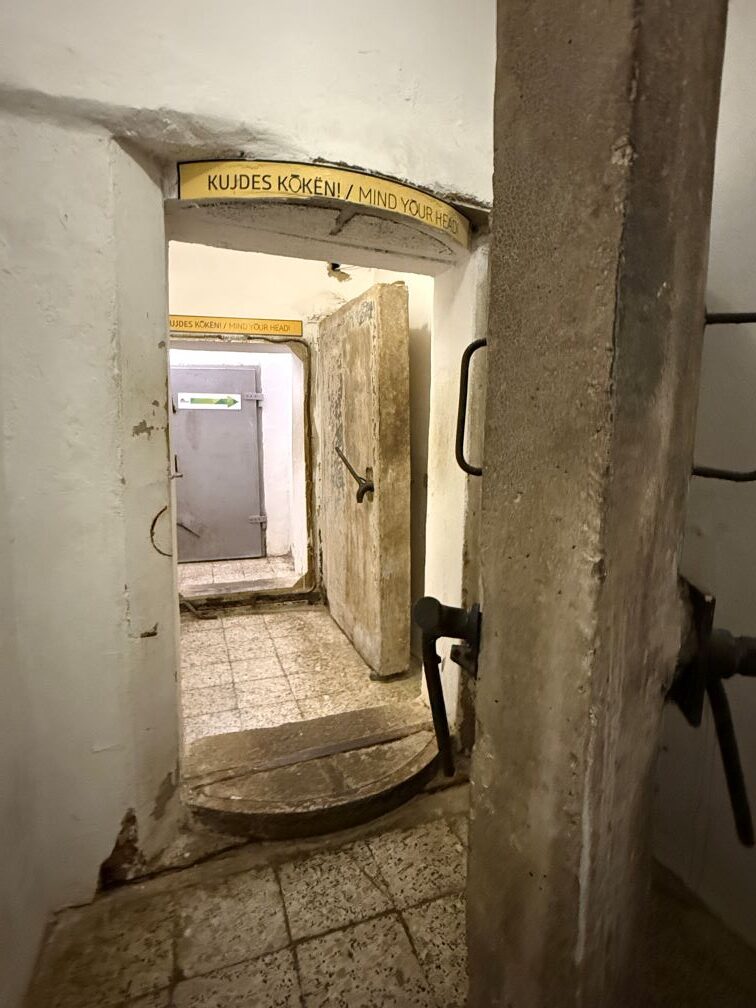
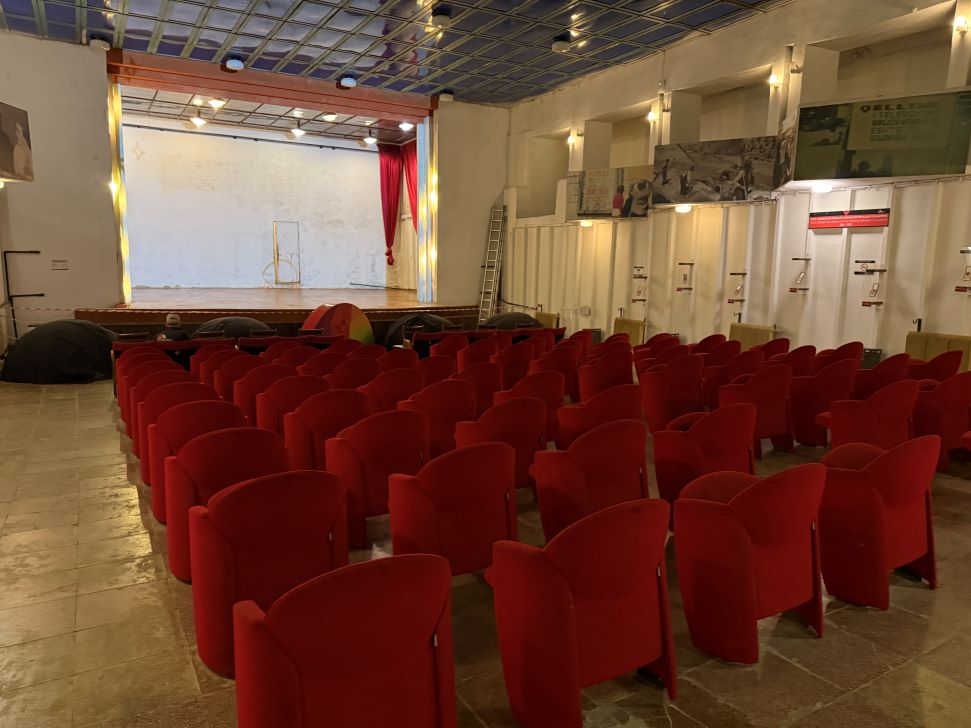
Bunk’Art 1, located 5 km from the city centre, is the largest of the two supposedly built as the living quarters for Albania’s communist elite – although it was never used, except during two practice drills. This bunker was designed as a command centre for the leaders of the regime in the event of an attack. It extends deep beneath a hill on the edge of the city and contains leaders’ private suites (including Hoxha’s oak-panelled bedroom) and even a 60-seat theatre with luxurious seating.
… and Bunk’Art 2
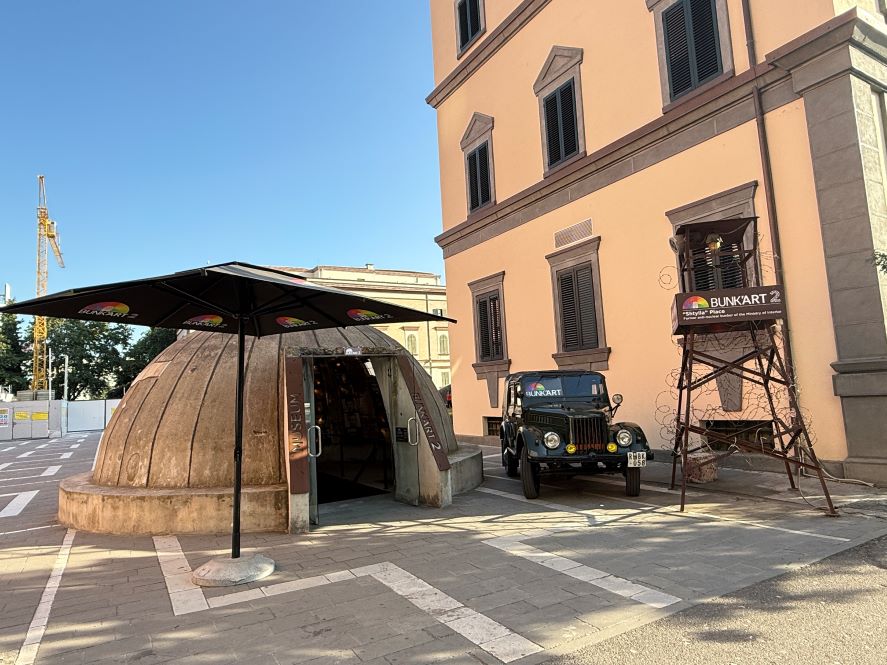
Bunk’Art 2, situated just off Skanderbeg Square, is the better-preserved of the two bunkers. It was connected to the Ministry of Internal Affairs and has now been transformed into a museum focusing on the growth of the secret police and the detention and torture of citizens under Hoxha’s regime. Here, I learned about one of the most serious offences in communist Albania – attempting to leave the country, which was punishable by death.
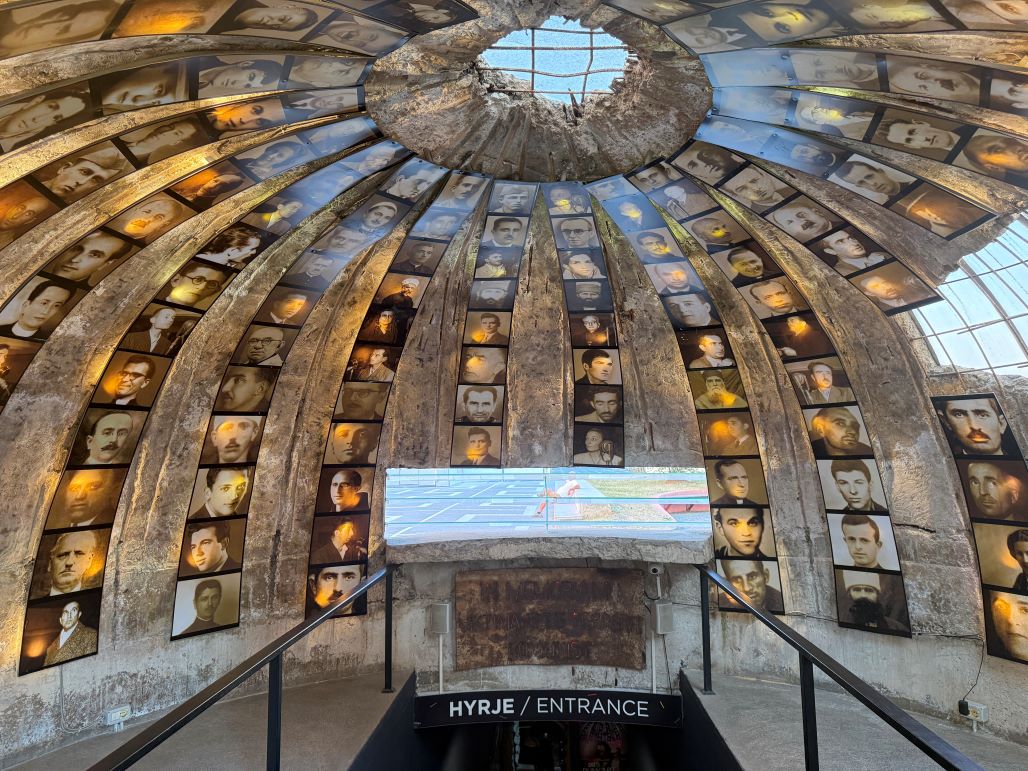
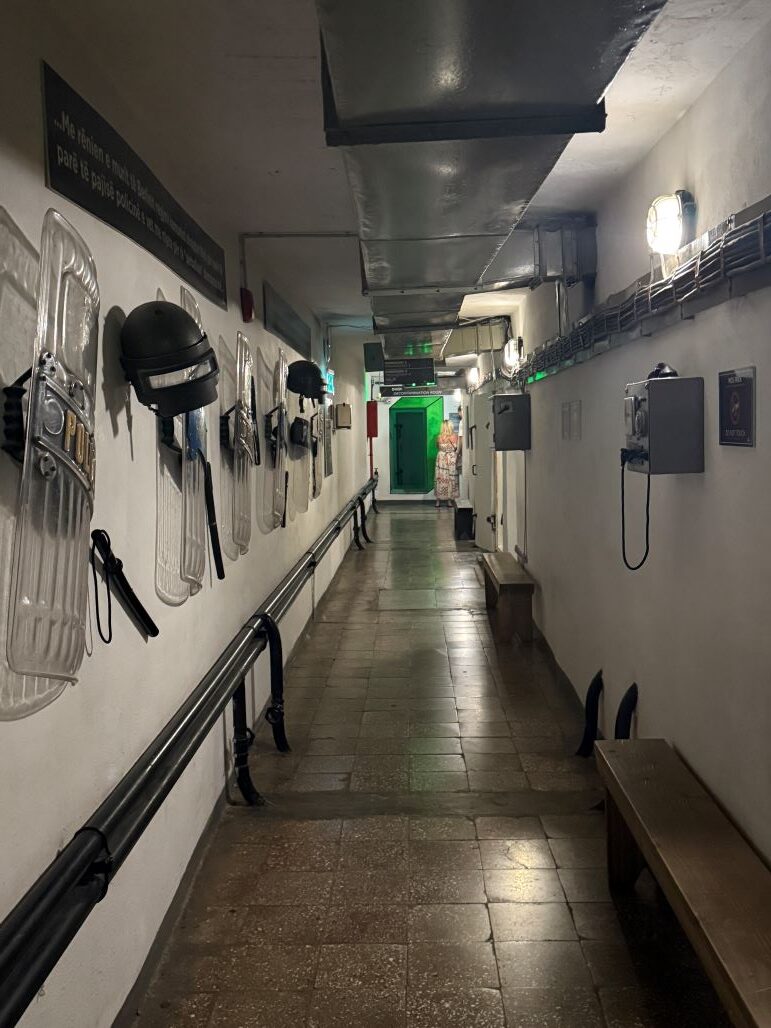
The museum effectively details this dark chapter of Albanian history with emotionally charged photographs and video evidence of some of the atrocities committed by the government against its people. There was also an interesting display of optical illusion exhibits – strange additions for a nuclear bunker – but they cleverly matched how a society can be governed by deception.
Bitter Taste at the House of Leaves
The picturesque name House of Leaves comes from the creeping vines that cover its walls and doors. Originally built in the 1930s as an obstetrics clinic, it became the headquarters for the Sigurimi, a branch of the secret police responsible for gathering intelligence by monitoring, questioning and torturing suspected enemies of the state, primarily Albanian citizens.
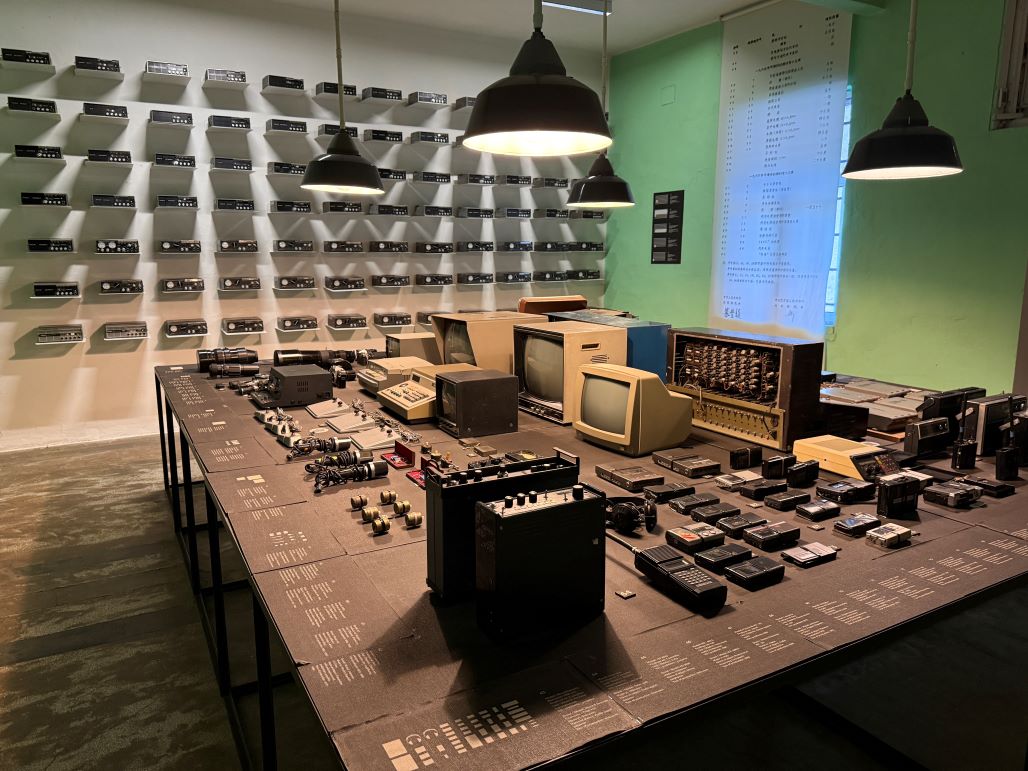
Inside, there were some really interesting exhibits of surveillance tools and techniques, and very good multilingual information panels explaining the history of Albania and the role of the Sigurimi during the period of communism. There were a couple of gory explanations, especially the top 20 ways Sigurimi used to torture a suspect, but nothing visually disturbing. However, I did leave the museum with that ‘Big Brother’ feeling, knowing that many innocent people were falsely accused, which ultimately instilled distrust within every community at that time.
Popped into two central Cathedrals
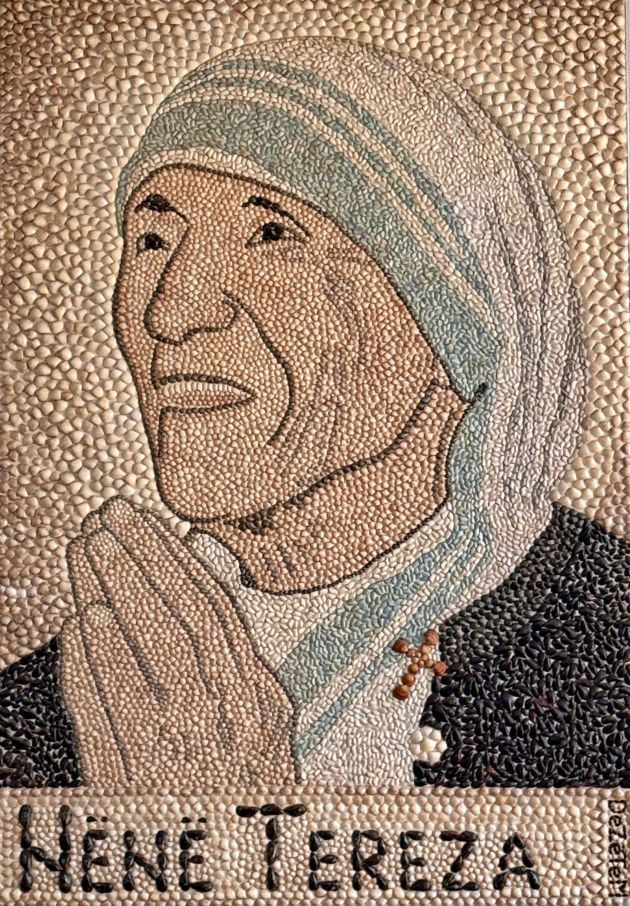
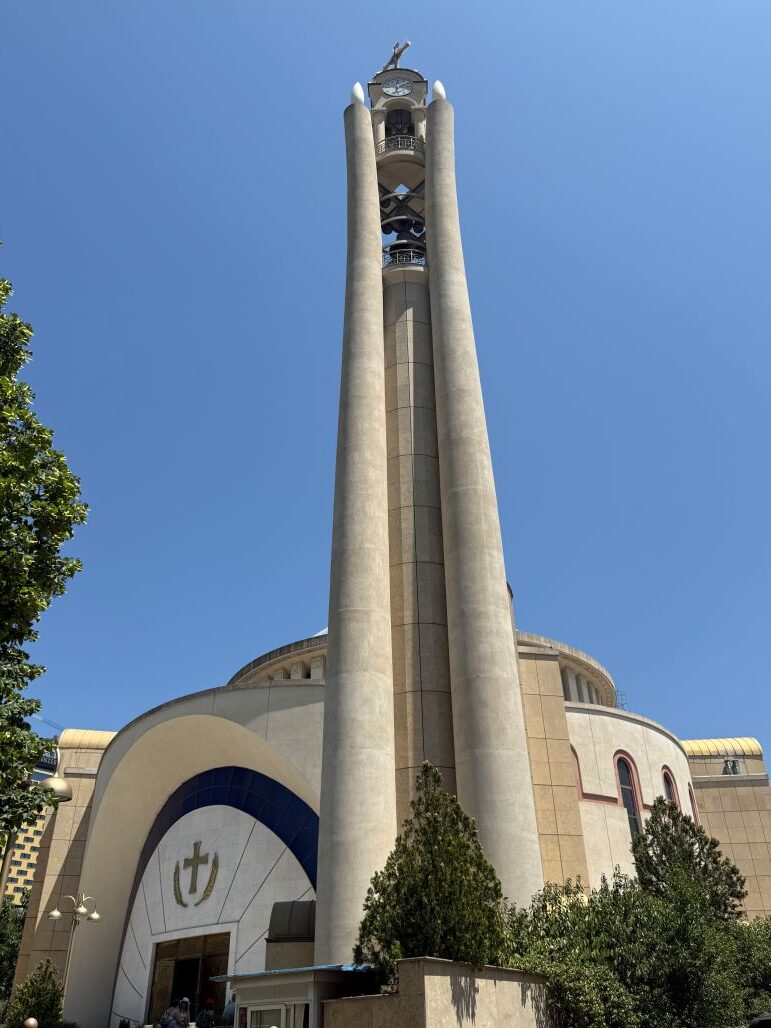
The St. Paul Cathedral (2002) and the Resurrection of Christ Orthodox Cathedral (2012) were both modern but had entirely different interiors. Whereas St. Paul Cathedral featured the work of Mother Teresa, with a magnificent portrait of her made out of shells and beautiful stained glass windows depicting her unending care for the sick and poor. In contrast, the Orthodox Cathedral showcases typical church features such as Byzantine art, icons and mosaics, as well as a large image of Christ painted on the interior dome. It also had a 46m bell tower with 4 beautiful ‘candles’ at the top representing the four evangelists.
Climbed the Pyramid
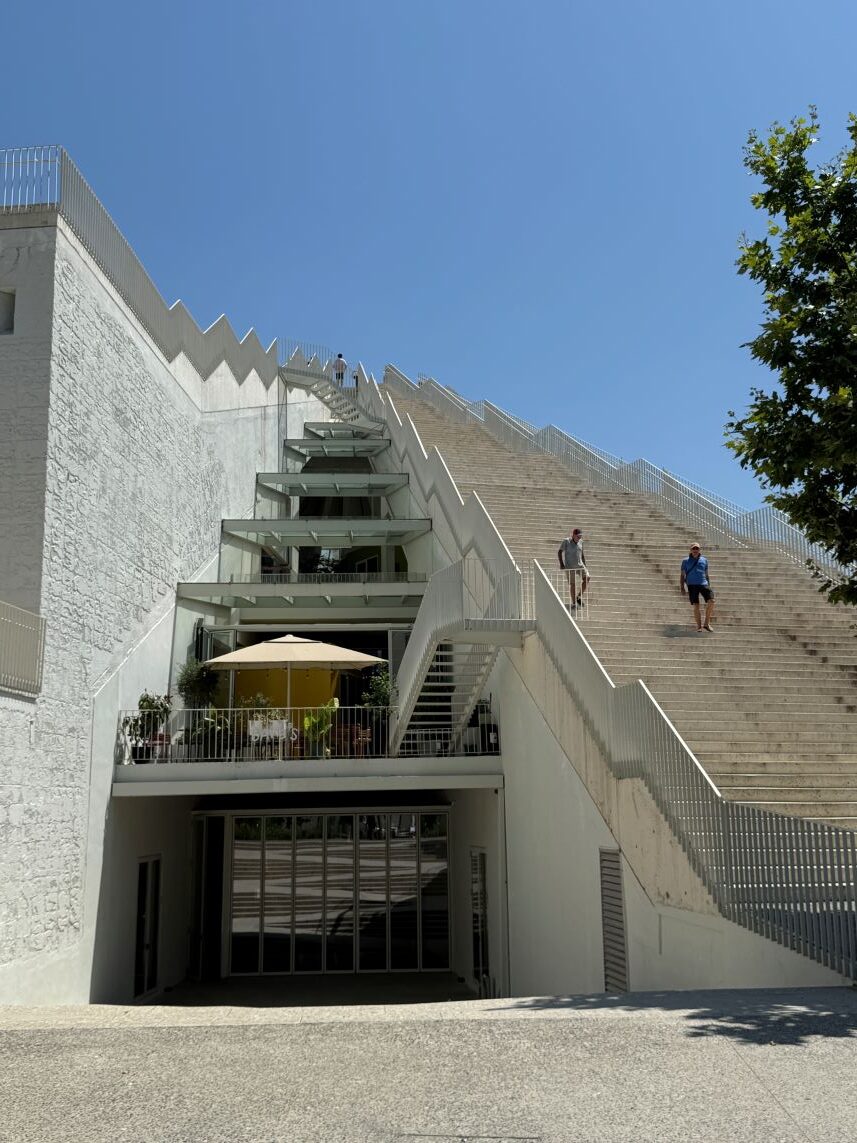
After Enver Hoxha died in 1985, his daughter commissioned the construction of a building shaped like a pyramid as a monument, mausoleum, and museum honouring his life. Although there was much resentment when it opened in 1988, it wasn’t too long before it closed following the fall of communism in 1991. After which it had various uses: a bus station, conference centre and even a disco, but was finally abandoned, left crumbling and derelict.
Today, it has been cleverly renovated and functions as an educational facility, featuring shops, bars and restaurants, most of which are in colourful blocks perched around the outside and suspended inside. Climbing onto the roof offers stunning views of the city, which adds irony, as Albanians can now walk all over the monument dedicated to their once-feared dictator.
Explored the Blloku District
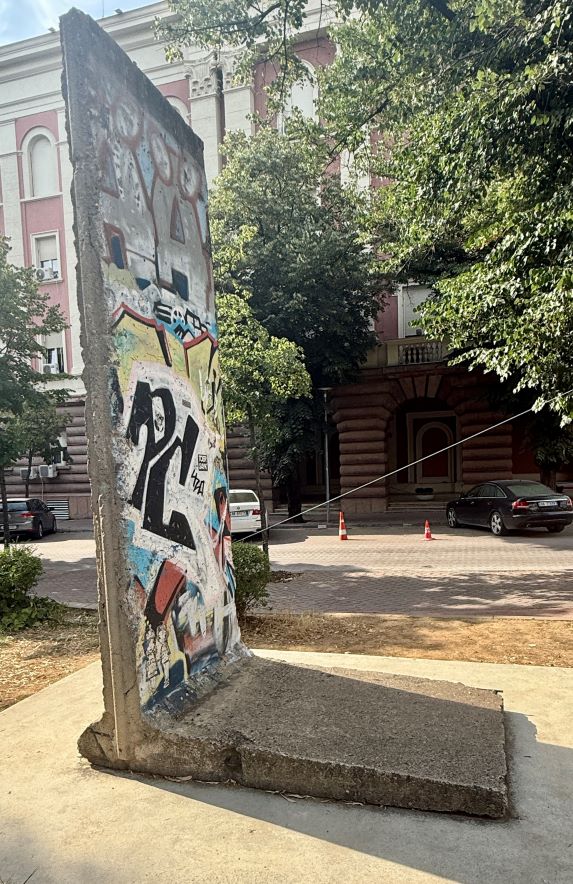
A short walk from the pyramid brought me to Checkpoint Park, marking the entrance to the infamous Blloku district. This three-by-five-block area of the city was once home to party superiors but is now the centre of Tirana’s nightlife. Before wandering around Blloku, I took a quick visit to a small park that likely serves as a memorial to life under communist rule, featuring a couple of bunkers, concrete girders from Spac Prison, a harsh labour camp, and a piece of the Berlin Wall.
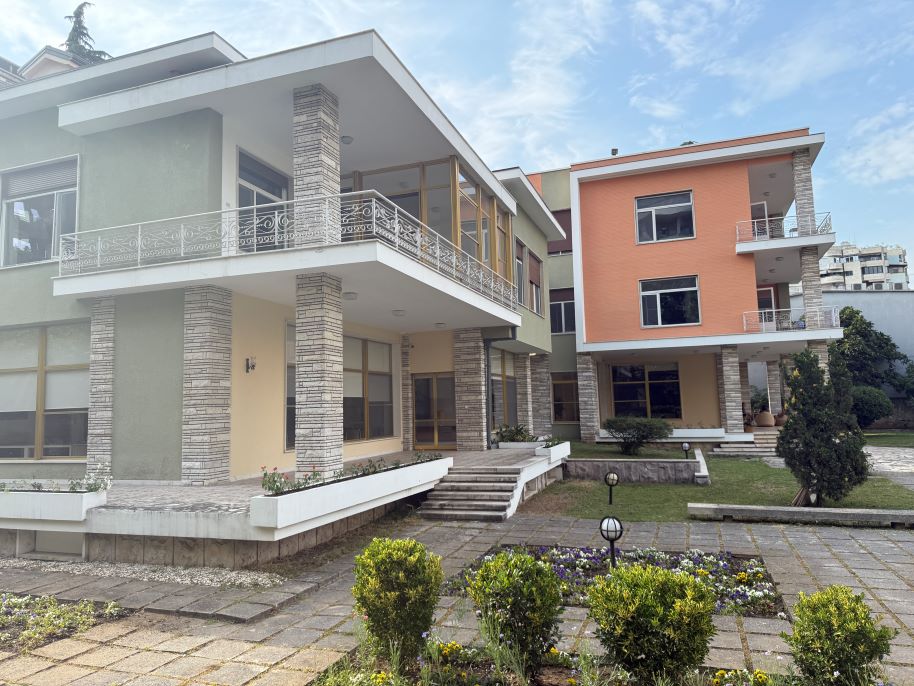
Strolling through the Blloku district, with its trendy bars and restaurants, it’s hard to imagine it was once an exclusive enclave for the communist party. Other than party officials, most Albanians were not allowed to enter. This exclusion was likely due to Enver Hoxha’s fear for his safety from foreign enemies and his people. Ironically situated in the middle of this exclusion zone is his pastel-coloured house, whose balcony now overlooks a ‘capitalistic’ KFC.
Although it was not possible to enter Hoxha’s former residence set in the heart of Blloku, I did manage to see quite a large portion of it from a gap in the fence along the street outside. The interior has been preserved just as it was when Hoxha died, so perhaps one day, authorities will open it up as a museum.
Other attractions I saw in Tirana
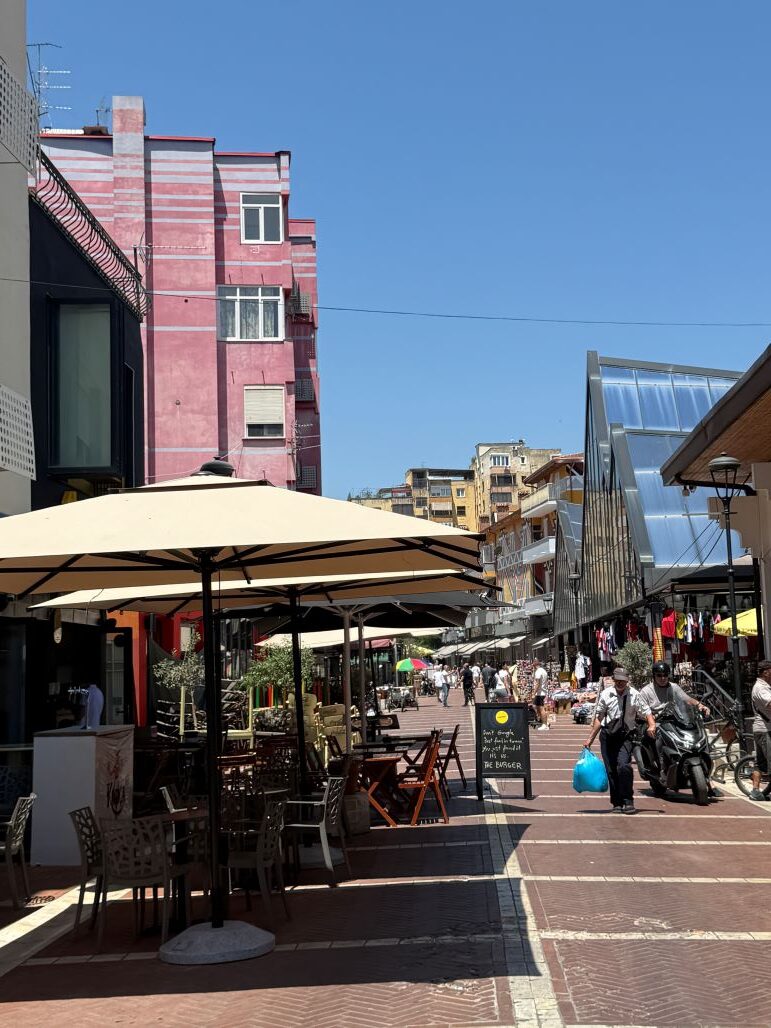
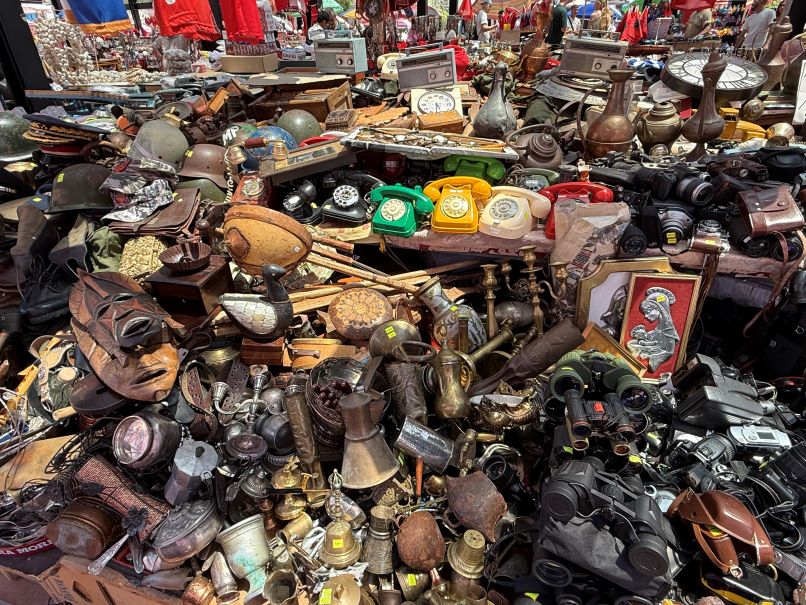
While strolling through town, I came across the short, three-arched Tanner’s Bridge, an 18th-century Ottoman structure that once linked Tirana to the highlands in the east. Nowadays, it serves little purpose other than attracting tourists who walk over it. In the city centre, along the pedestrianised Shëtitorja Murat Toptani, bustling with bars, ice cream stands and artisanal craft stalls, is the 13th century Tirana Castle. With very few original foundations remaining, it lacks the features of a traditional fortress but has plenty of restaurants and a few souvenir shops, all adorned with traditional Albanian decor. There is also a central covered marketplace at the New Bazaar selling everything from fruits to lace and flowers. Here, the highlight for me was the antique stalls that sold an array of seemingly useless items: from soldiers’ helmets and wooden clogs to household dial telephones and metal ducks!
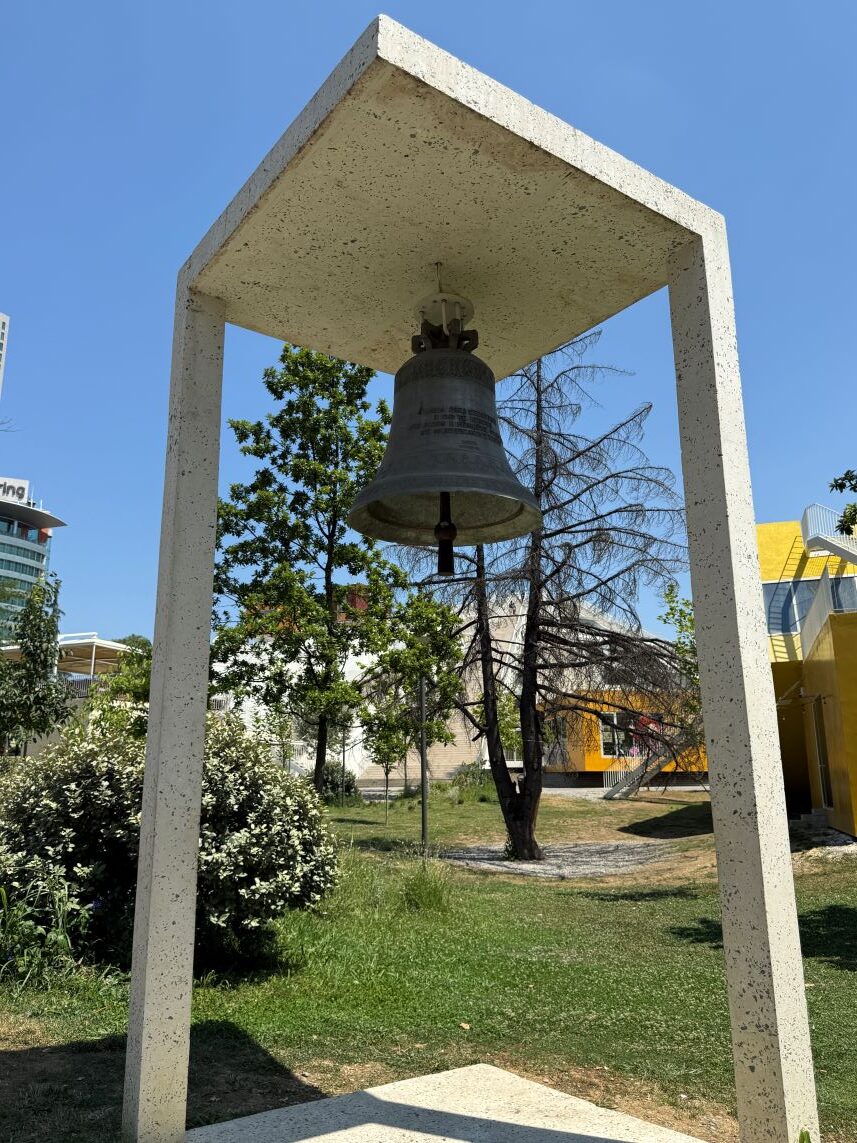
After the fall of communism, many people signed up for the government-backed Ponzi schemes. These dodgy, fraudulent investment operations collapsed within a few years, and people angrily demanded their money back. With riots breaking out throughout the country, many people lost their lives, and as a memorial for those who died, next to the Pyramid, a Peace Bell was made from a cast of shells from spent bullet cartridges used during the conflict. To lighten the mood a bit, I then went on a few minutes further to the Skybar, one of the tallest buildings in Tirana and the only one with a very slow revolving bar – a full spin takes over an hour! The views of Tirana were amazing, although the same cannot be said about the prices of drinks and snacks, with Aperol Spritz sold at €12!
Took an excursion to Kruja Castle
The town of Kruja is a straightforward day trip option from Tirana, taking about 1.5 hours by bus, plus a 30-minute city bus ride marked Kamez from Skanderbeg Square to the North and South Bus Terminal. Kruja is popular among tourists, mainly for the ruined site of Skanderbeg’s Castle. Next to the castle, there’s a renovated traditional bazaar that mostly sells souvenirs, with many cafés scattered throughout. There are also a couple of museums, the most notable being the Skanderbeg Museum within the castle itself. This museum is dedicated to Albania’s national hero, Gjergj Kastrioti (commonly known as Skanderbeg), who defended parts of the country from the Ottomans for many years. It is arguably the best museum in Albania, with exhibits in multiple languages, film clips, and impressive murals portraying Skanderbeg’s life and conquests.
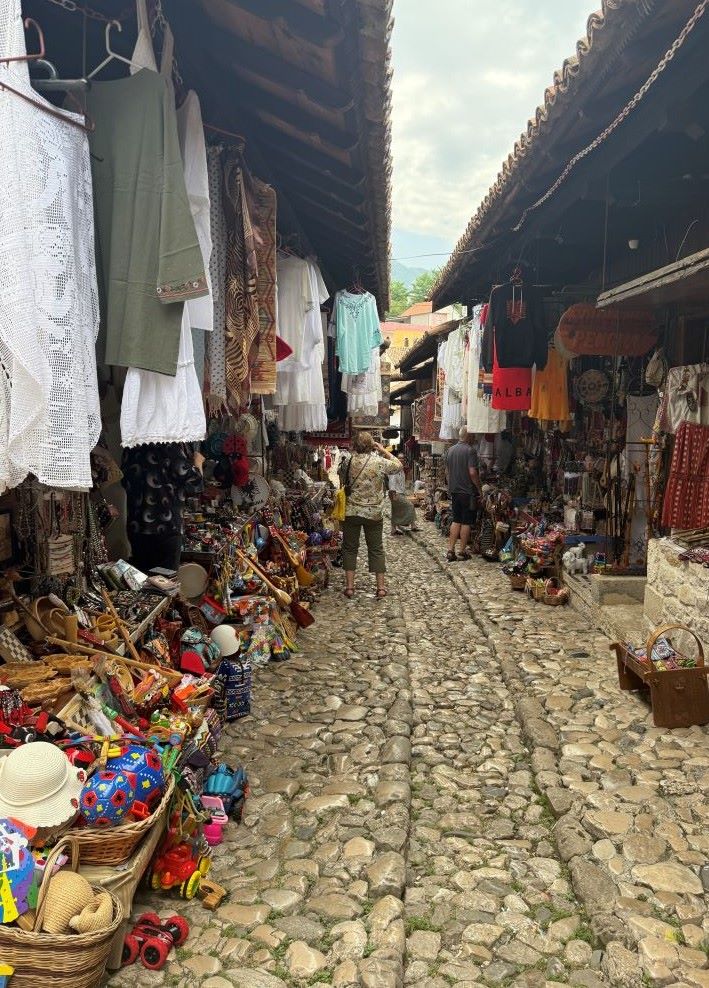
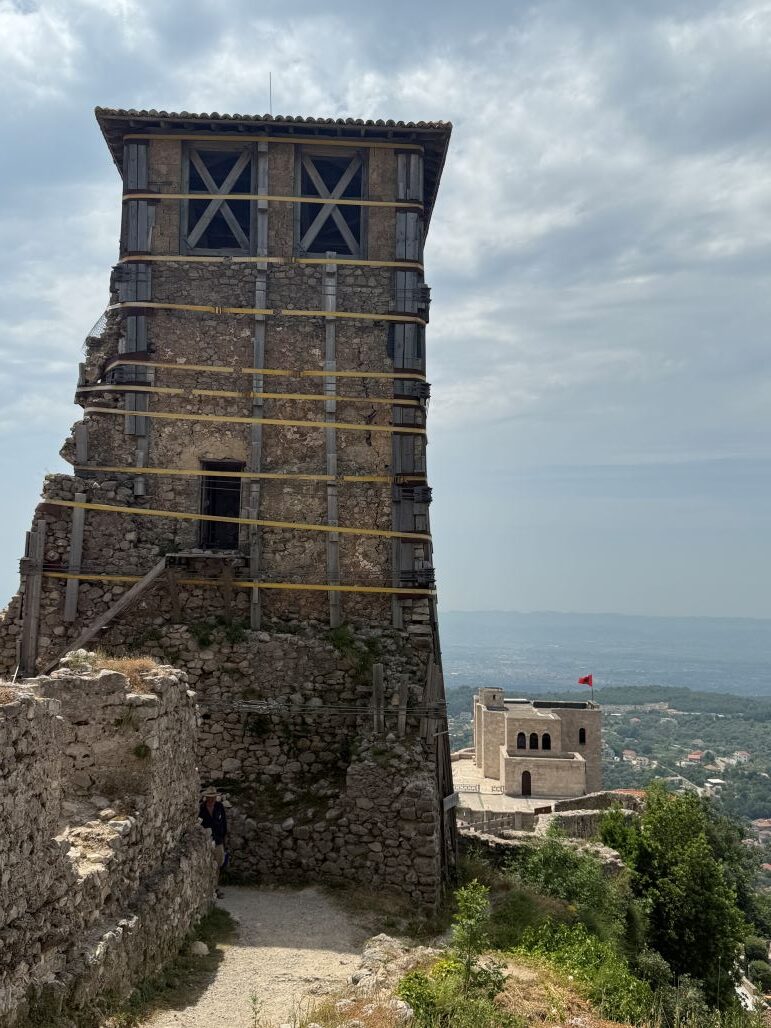
However, beyond the stunning scenery, I found Kruja a little disappointing, especially with the 3.5-hour bus return journey from Tirana. It’s mainly geared towards tourists, with the castle consisting of a closed ruined watchtower, a few revamped old stone walls, and many overpriced restaurants. That said, the Skanderbeg Museum and the antique shops within the bazaar were by far the most interesting attractions.
If I had more time, I would have explored the following places and activities:
- City Walking Tour (ideal activity to gain an insight into Albania’s past, the role of various buildings and structures around the city and an understanding of life for its citizens under communist rule)
- Dajti Ekspres cable car (15 minutes to the mountaintop with glorious views of the city below. It’s within walking distance from Bunk’Art 1 where at the top there is a restaurant, hiking trails and a mini golf course)
- Tirana Park (a beautiful green area, south of the city, with a large lake and plenty of cafes for a welcome respite from the bustling city)
- Day trip to Durrës (3-hour round trip from Triana for long, sandy beaches, a large Roman amphitheatre and a Venetian tower)
Accommodation in Tirana
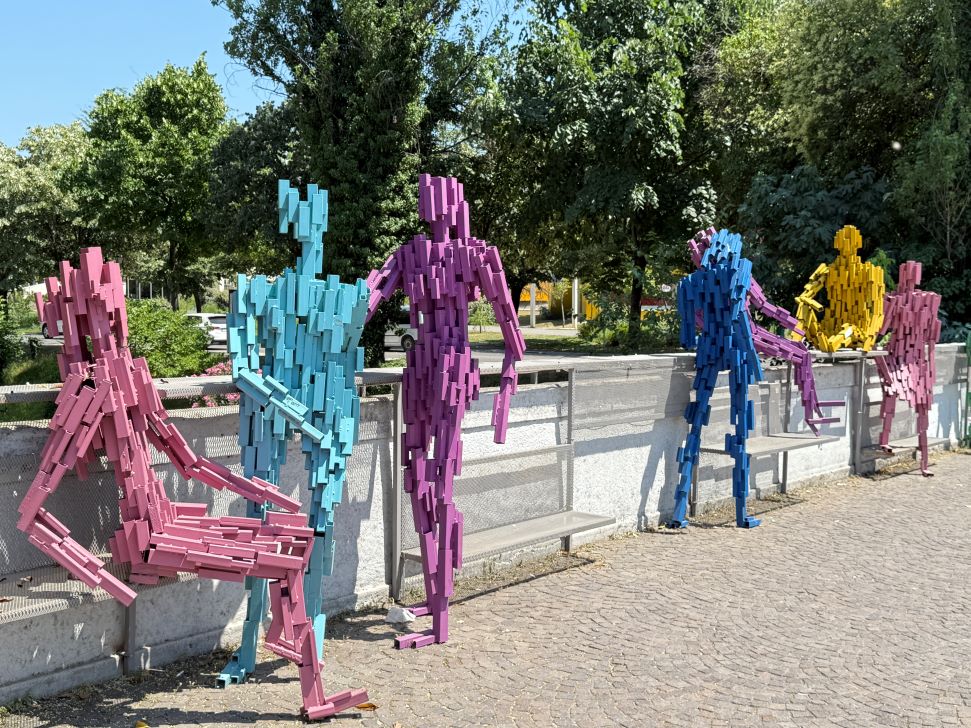
Tirana offers a wide variety of hotels, guesthouses, and some trendy, funky apartments in the central area. However, looking at the exterior appearance of some establishments, I was slightly suspicious of the self-star rating. Surprisingly, for a small capital city, there are many highly rated hostels, and some of them offer private rooms at affordable prices. Additionally, like other cities in Albania, there are a few camping and campervan sites on the outskirts, along with the usual range of large international hotels in the centre.
I stayed at Rooms Dionis on the edge of Skanderbeg Square, which was a 15-minute walk from Blloku and 10 minutes from the Pyramid. The room was really clean and comfortable, and I felt welcomed by all the family members. Breakfast was OK, but the rooms did not have a balcony as in the description – the only balcony was the communal area next to the kitchen. This type of accommodation is quite common in Tirana, where many mid-range options are situated in homes within apartment blocks.
Eating in Tirana
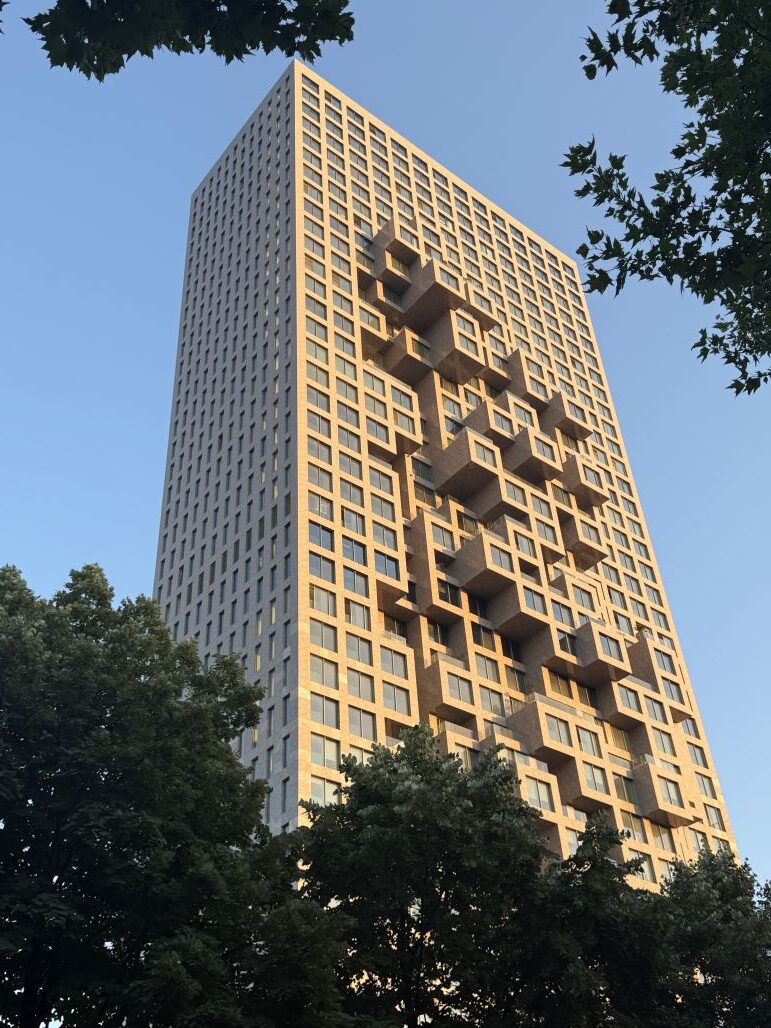
The food in Tirana is excellent, featuring influences from Turkey, Italy, and Greece. Dishes often include pasta, lamb, or fish. While many traditional meals contain meat, there are also plenty of vegetarian options available, such as byrek (spinach pies) and delicious halloumi gyros. Numerous restaurants in the city centre, especially around Tirana Castle, offer extensive vegetarian sections on their menus.
During my time in Tirana, I ate at Season Tirana and Konak in the New Bazaar, and Manna along Rruga Ismail Ndroqi with a few coffee stops (and pizza slices) throughout the day. There was also another pit stop within the Tirana Castle where I probably had one of the best vegetarian pilaf outside of Central Asia, washed down with Albania’s premier brew, Korca.
Travellingterry’s Tirana tips:
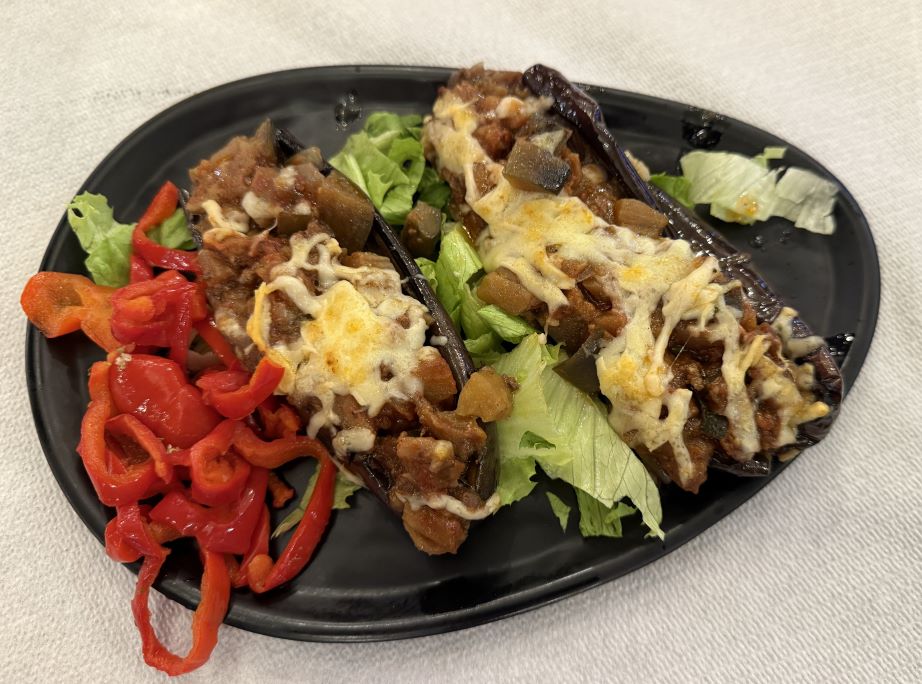
- The National History Museum is currently under renovation and is expected to reopen in 2028. From the outside, it appears that it will become a large museum that will likely take several hours to explore fully.
- Tirana is not cheap: €14 for the cable car, and €7 for both Bunk’Art2 and House of Leaves. Accommodation wasn’t too bad, but restaurant prices rose steeply compared to the North of the country.
- To get to Bunk’Art 1, I took bus number 11 from behind Skanderbeg Square towards Porcelan. The journey took around 40 minutes and cost 40 Lek.
- A great offline mapping app is Maps.me particularly useful for following walking paths. Gjirafa.com is another online resource with bus timetables and prices throughout the Balkans, with accurate maps indicating the position of bus stations or pick-up points. Other useful websites: Visit Tirana, and especially useful is the Tourist Infopoint, where a terrific booklet and guide can be downloaded with all sorts of information on the sights in and around the city, with practical advice on travelling within Tirana.
- Tirana Airport is the only commercial airport in Albania. If the price is affordable, it might be worth considering flying into the Greek island of Corfu and taking the 40-minute ferry across to Sarandë, or vice versa. Saying that, when I compared prices, Tirana was far cheaper than Corfu, but then Corfu is the gateway to another altogether different type of adventure … island hopping.
Onward Travel: Bus from Tirana to Berat
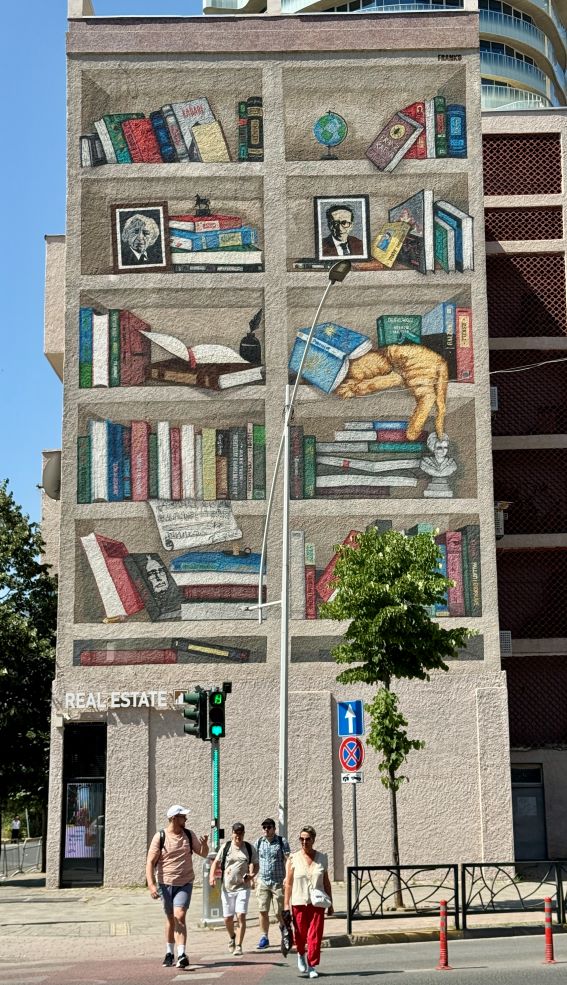
The North and South Regional Bus Terminal covers almost all towns and cities in Albania. Frustratingly, it’s about 5 km out of the city centre, so I needed to catch the frequent white city bus with the destination ‘Kamez’ or ‘Terminal’, from around the back of the opera house in Skanderbeg Square. Minibuses to Berat run every 30 minutes, so I didn’t have to wait too long. The 2-hour journey was quite scenic, but similar to other towns in Albania, when I arrived in Berat, I found that the bus station was quite a distance away from the town centre.