Arriving by bus from Almaty, Kazakhstan, I could immediately see that Bishkek was a delightful and unhurried city. During my six-day exploration of Bishkek and its surrounding area, I was pleasantly surprised by the number of tree-lined streets and abundant greenery, which contrasted starkly with the austere Soviet-style buildings that dominated the main places of interest. Behind the city, the southern snow-capped mountain range added to Bishkek’s picturesque location and suggested endless possibilities for outdoor adventure. All these reminders tell the Kyrgyz of their proud history, past struggles, and the beauty that surrounds this welcoming city.
Modern Bishkek was founded in 1878 on the site of a Russian garrison and was later renamed Frunze, honouring the locally born Russian Bolshevik Leader, Mikhail Frunze, who had seized much of today’s Uzbekistan back in the 1920s. After Kyrgyzstan gained independence in 1991 (the first Central Asian country to do so), the city’s name was changed to Bishkek. Nowadays, with a welcoming atmosphere, Bishkek has become a great city to ‘hang out’, explore and enjoy the many leafy parks and cafes selling a wide range of coffees as well as the many friendly pubs offering locally produced draft beers.
My Bishkek Highlights
Bishkek’s main attractions are the beautiful parks and museums north of Chuy around Ala-Too Square. Plain old Soviet buildings are littered around the city, but there are also a few brutalist structures that warrant attention, as well as a couple of elegant neoclassical exceptions. Wandering around the city is a delight as at every turn, there is something of interest, whether it’s a structure, monument or an interesting mural carrying a subliminal message.
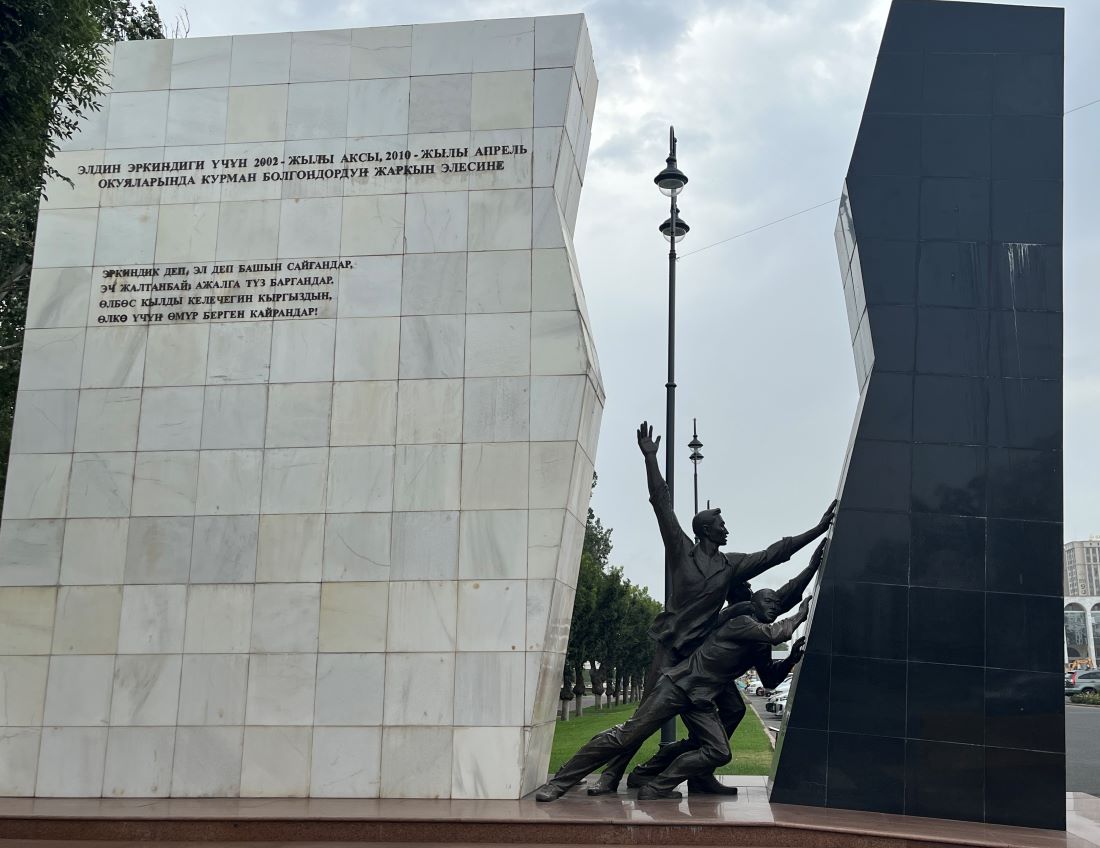
Checked out Ala-Too Square
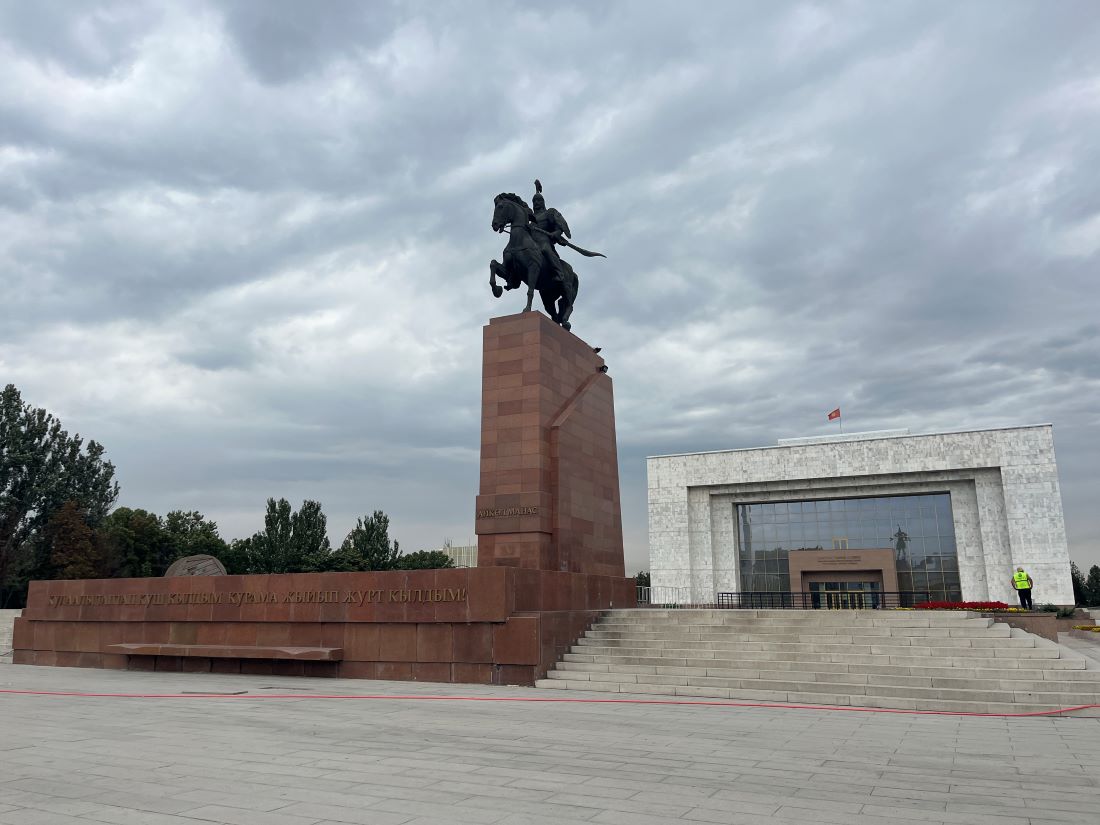
I started my exploration of the city at Ala-Too Square. This is a huge public square located in front of the State History Museum, which serves as a gathering place for various events and celebrations that are held throughout the year.
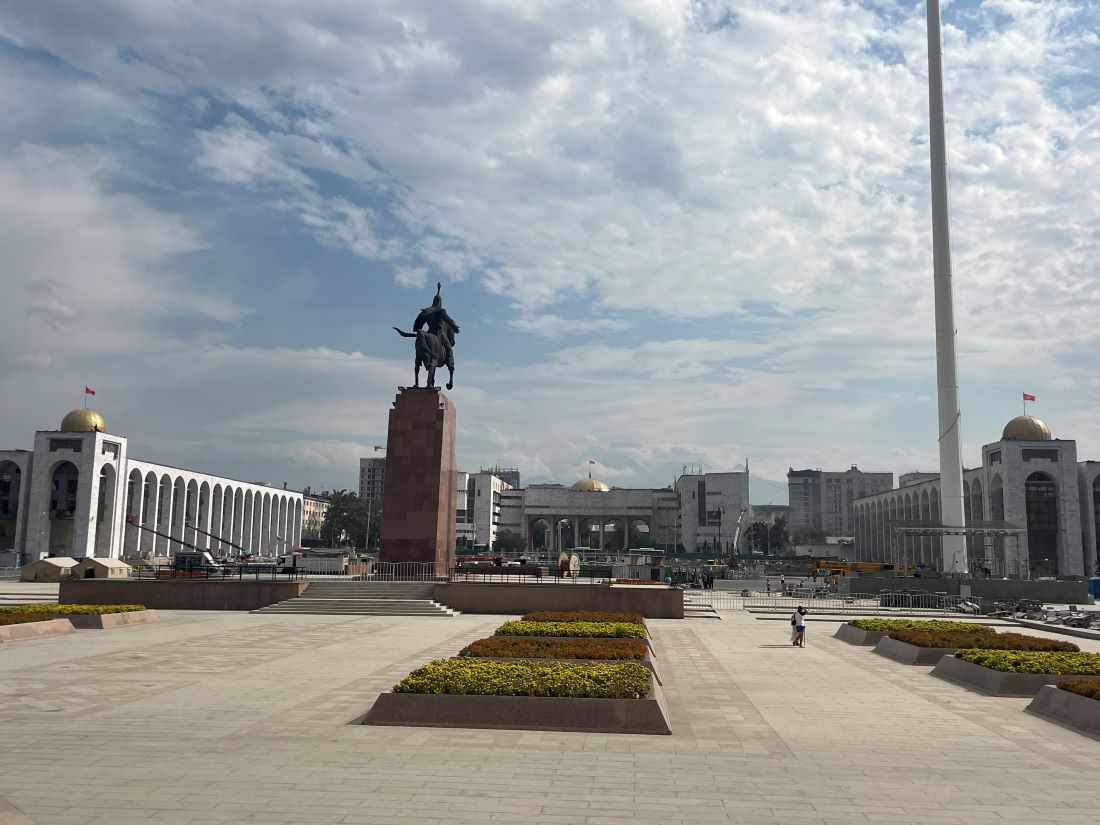
During my visit, the square was under renovation, but I could easily envision its future beauty, complete with water fountains and flower beds, with the Ala-Too mountain range in the distance. This scenic square would be an ideal spot in the evenings for families and friends to gather and relax, and allow children to play, providing a perfect way for everyone to unwind after a long day.
Still standing is the photogenic Manas Statue, sitting triumphantly atop the brown brick wall overlooking the square near the huge National Flagpole, where there would have been soldiers goose-stepping and changing guard. Hopefully, after the renovations, all this will return.
Ambled around Osh Bazaar
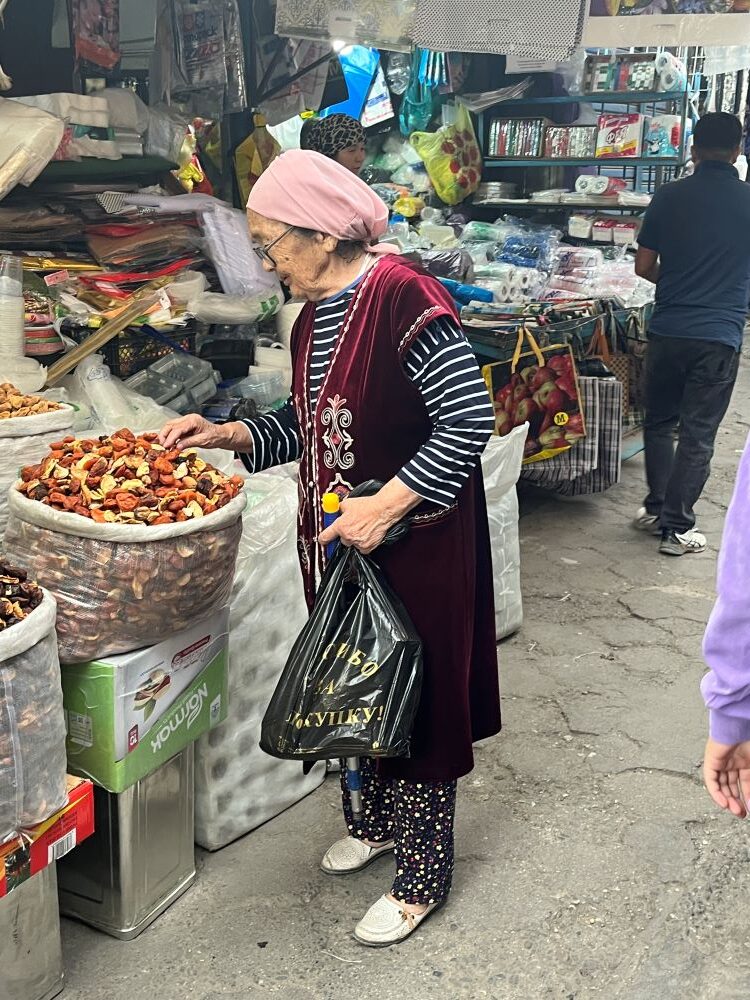
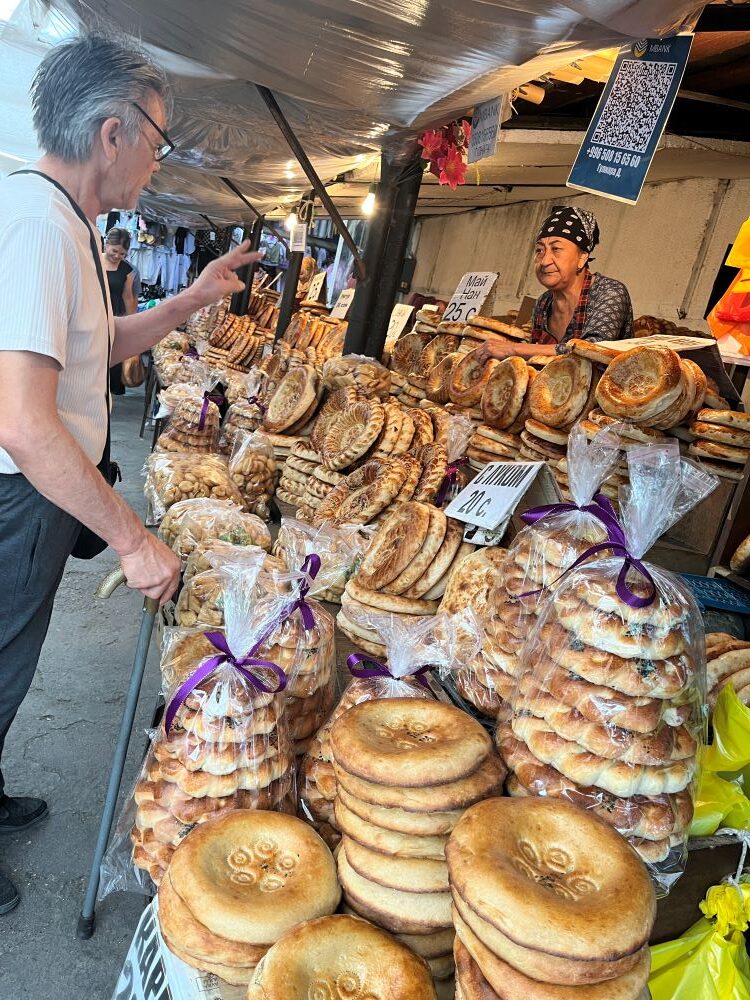
To the West of the city is Bishkek’s largest market, Osh Bazaar. Similar to other Asian markets/bazaars, it features a wide variety of food products, household goods, Soviet souvenirs and musical instruments. There is also an abundance of dried fruit, sweets, and nut stalls with a particular interest in selling Kurut – a white, dry, salty cheese ball. All I can say is that it’s an acquired taste!
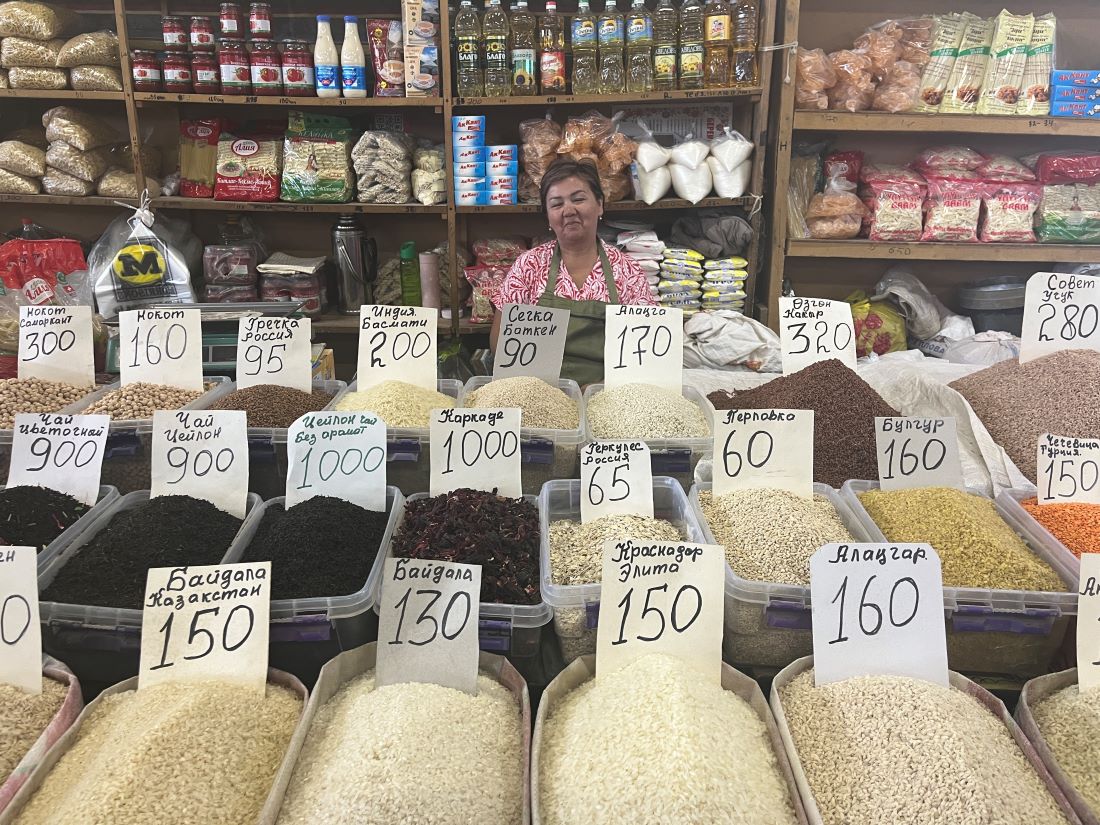
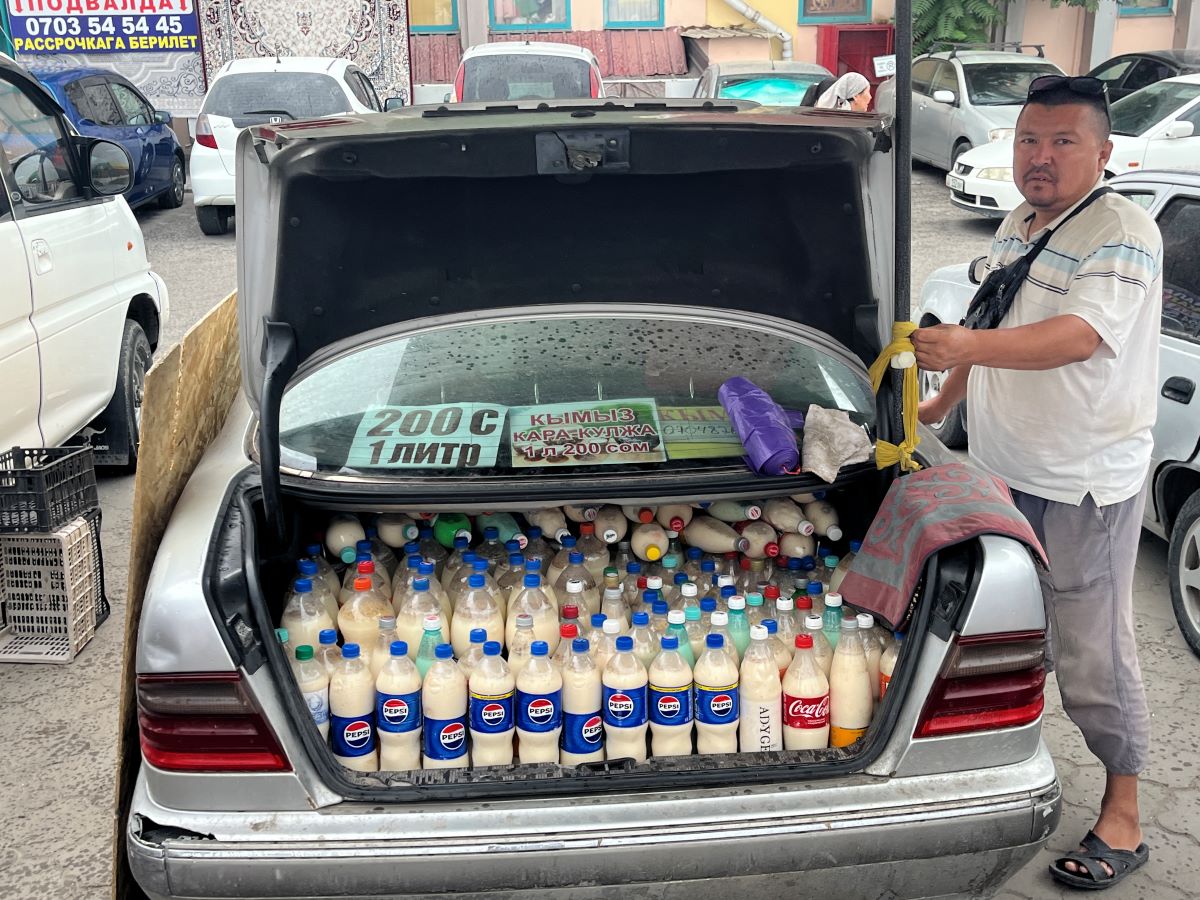
I must have spent a couple of hours walking from one building to the next, watching the buyers and sellers go about their daily business. But what I found most intriguing was the countless number of vendors selling goods from the boot of their cars.
Paid respect at Victory Square Monument
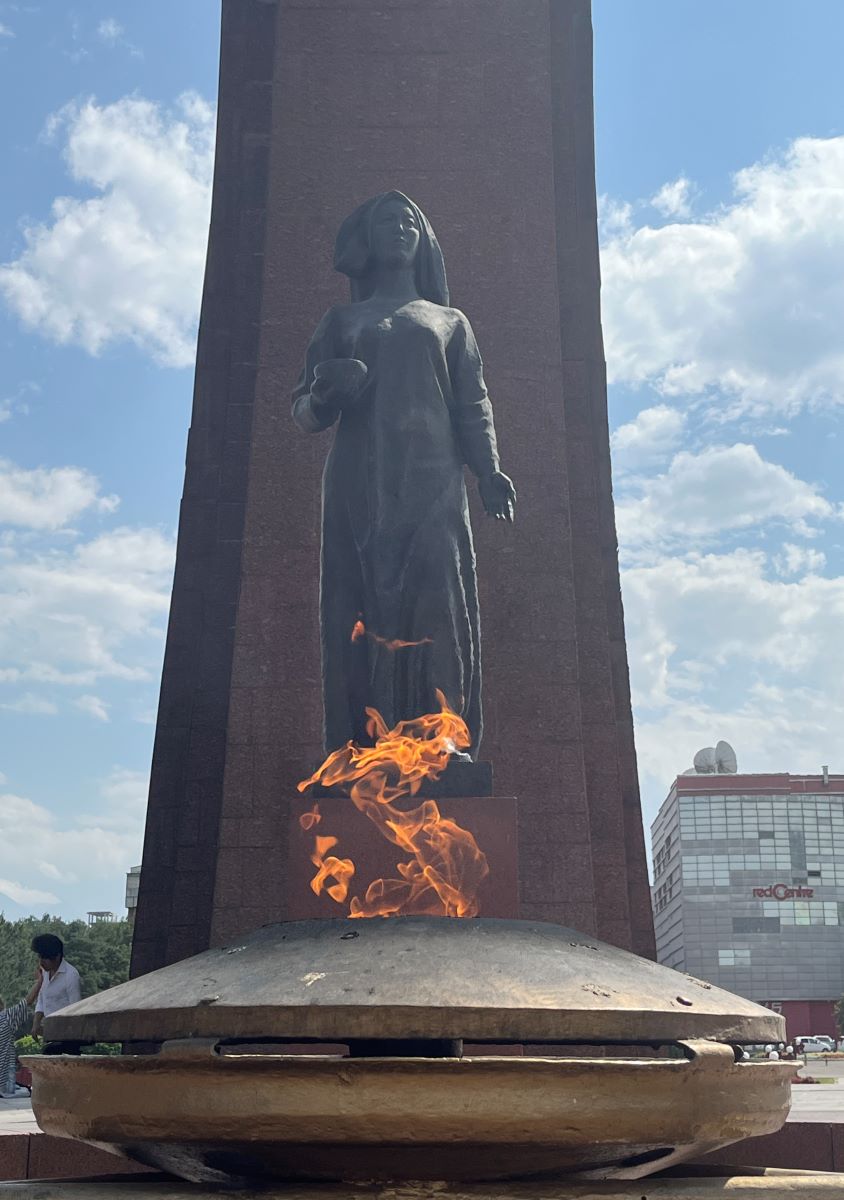
Victory Square Monument was constructed in 1985 to commemorate the 40th anniversary of the end of World War II and to mark the liberation of the USSR during the Great Patriotic War, celebrating victory over Nazi Germany. At the heart of the monument stands a statue of a woman waiting for her husband to return from war. Above her is a funeral wreath supported by three curved granite pillars symbolising a yurt and an eternal flame, prompting reflection on the losses and sacrifices endured during the war.
Browsed Frunze House Museum
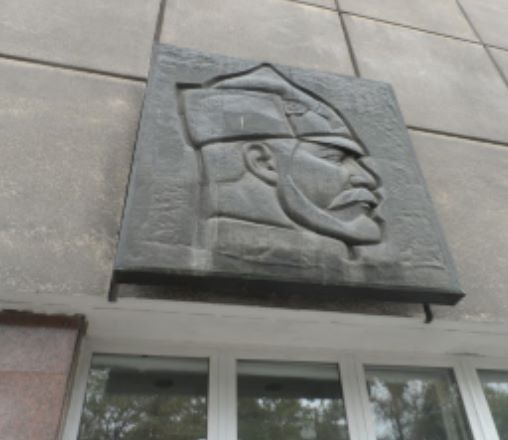
Located on the far edge of Victory Square is the Mikhail Frunze House Museum, dedicated to the Bolshevik Commander Mikhail Frunze, who was born in Bishkek and whose notoriety arose from seizing much of Uzbekistan in the 1920s. Inside the museum, there was limited information in English, although there was a traditional life-size thatched cottage – allegedly the actual birthplace of Frunze – with a few fascinating original household items on display. The photographs depicting Bishkek and the Bolsheviks in the 1920s were particularly intriguing.
Learnt so much at the National History Museum
An incredible National History Museum has recently opened following a long period of renovation and is now dedicated to the preservation of the culture and history of Kyrgyzstan and its people. The journey starts from the prehistoric period to the country’s struggle for independence during the Soviet times, culminating in the present day with displays showing people’s immense pride for their country and how their national identity is celebrated.
Spanning over three floors, the museum featured artefacts and exhibits documenting the country’s development, with captions available in English and other languages. Most fascinating to me was a fully decorated yurt illustrating the nomadic lifestyle, along with excavated Buddha images and the hand-held tools used during the building of structures in the past. Additionally, there were displays of textiles, including vibrant carpets, beautifully hand-stitched clothing, and intricate embroidery, all of which were quite mesmerising in their skill and technique when producing such exquisite pieces.
Wandered past Bishkek’s White House
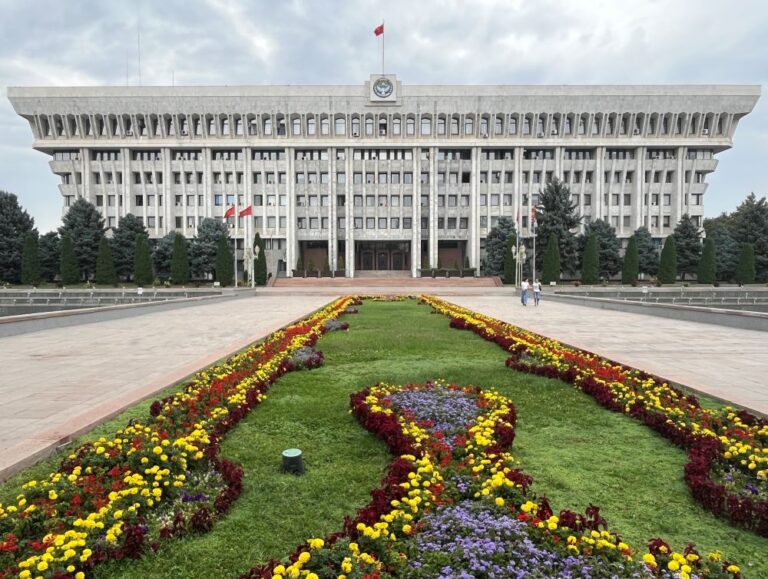
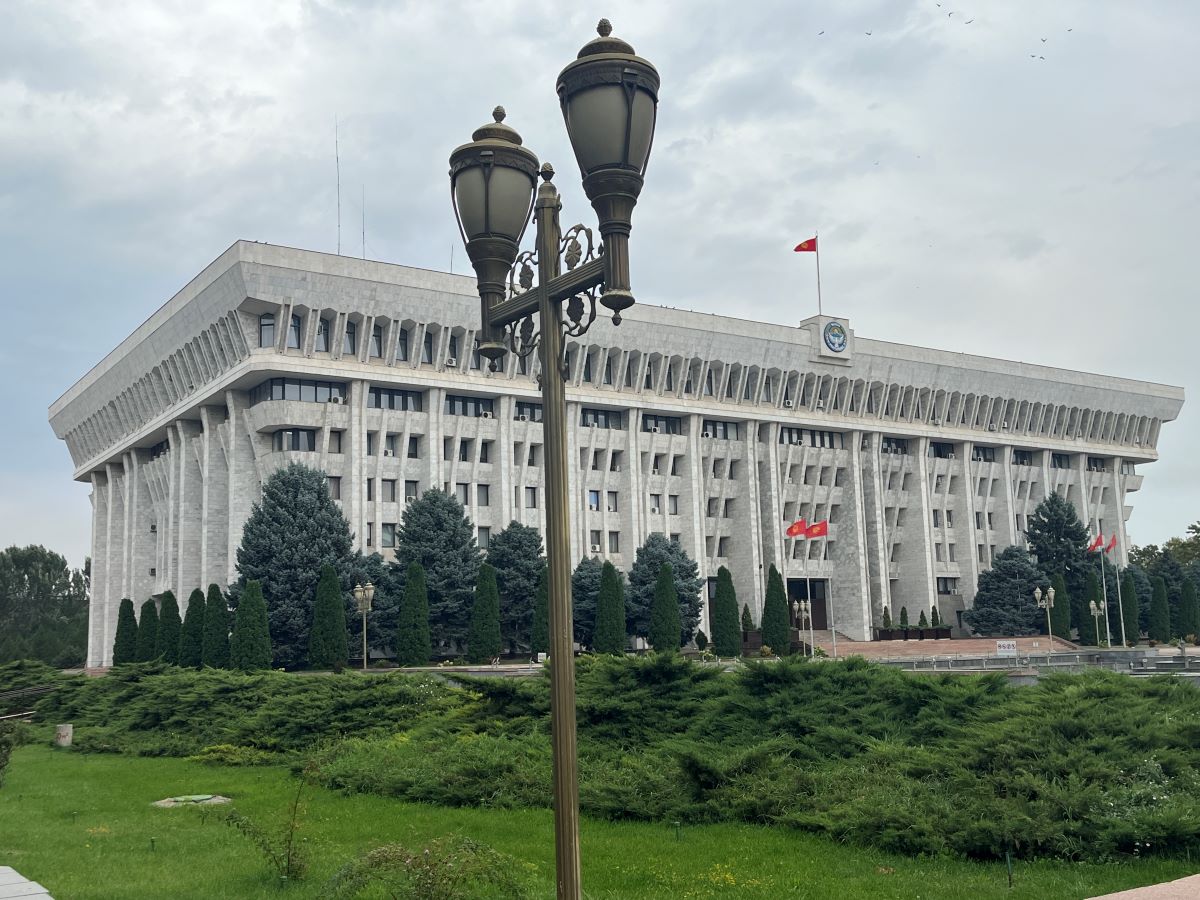
The modern seven-story White House, built in 1985, serves as Kyrgyzstan’s seat of government and Presidential office. It was here that riots broke out in 2005 and 2010, leading to the destruction of many government records. The exterior is covered in marble, flanked by a large flowerbed that symbolises the country’s friendly ties with Russia. Rumour has it that there is an underground complex beneath Ala-Too Square (formerly ‘Lenin Square’), connected to the White House via a series of tunnels.
Sought out Brutalist Architecture
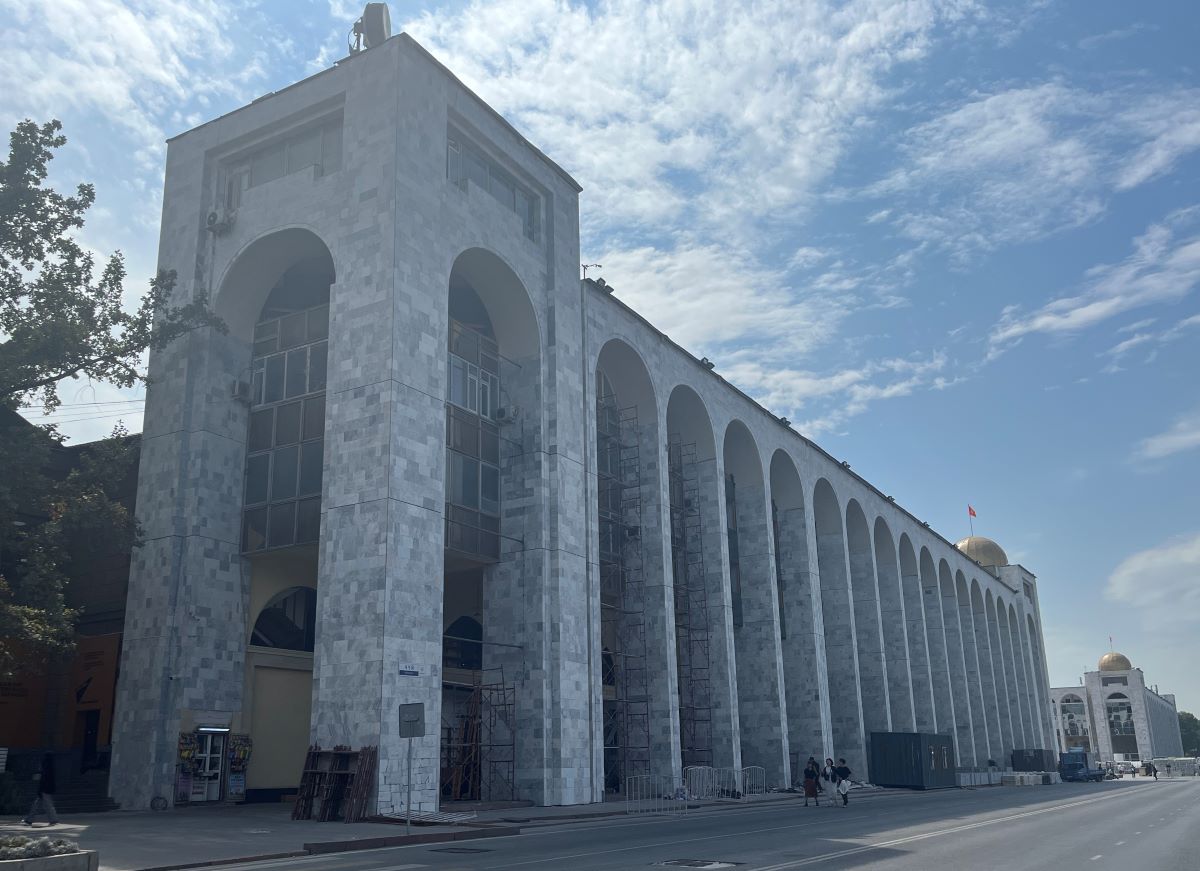
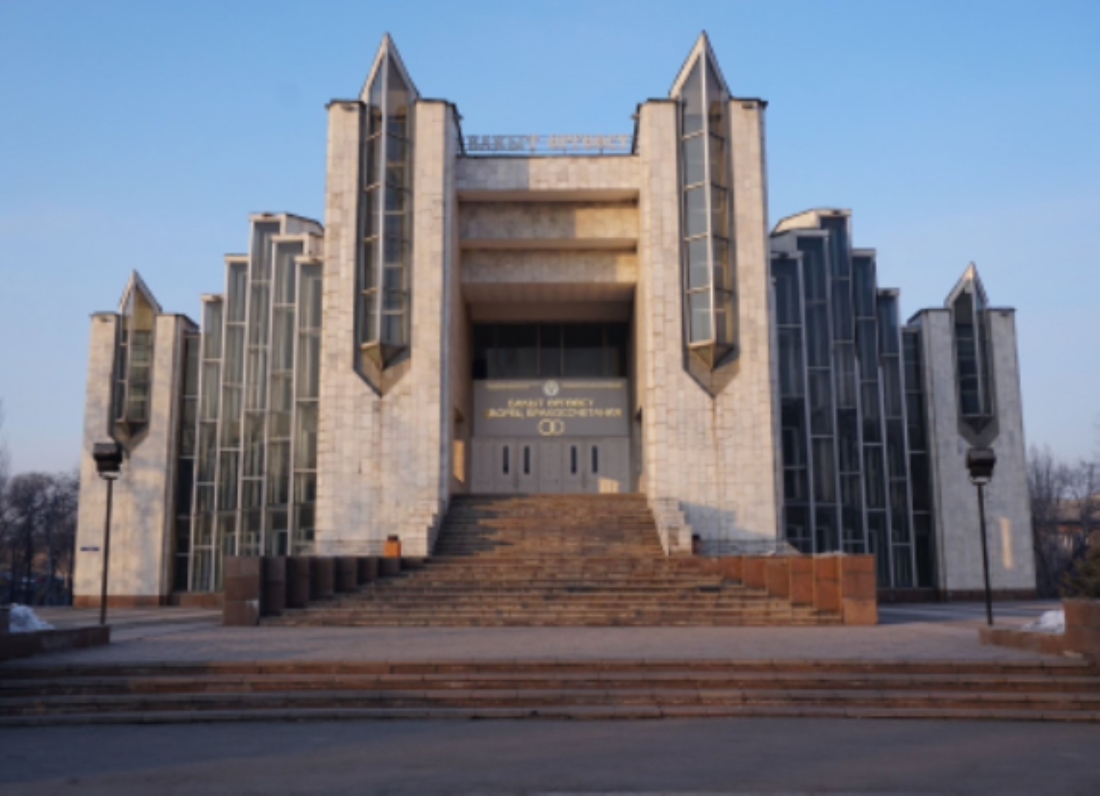
One of my favourite activities in the new Central Asian Republics is exploring the city to find architecture that reflects the nation’s history. In Bishkek, there is plenty of Brutalist architecture dating back to when Kyrgyzstan was part of the Soviet Union. Buildings such as the National Museum of Fine Arts, Ala-Too Theatre, The Wedding Palace, National Philharmonic Hall, and monuments like the Father of the Nation are fine examples of the Brutalistic style, which stands out in contrast to many other nearby modern pieces of architecture.
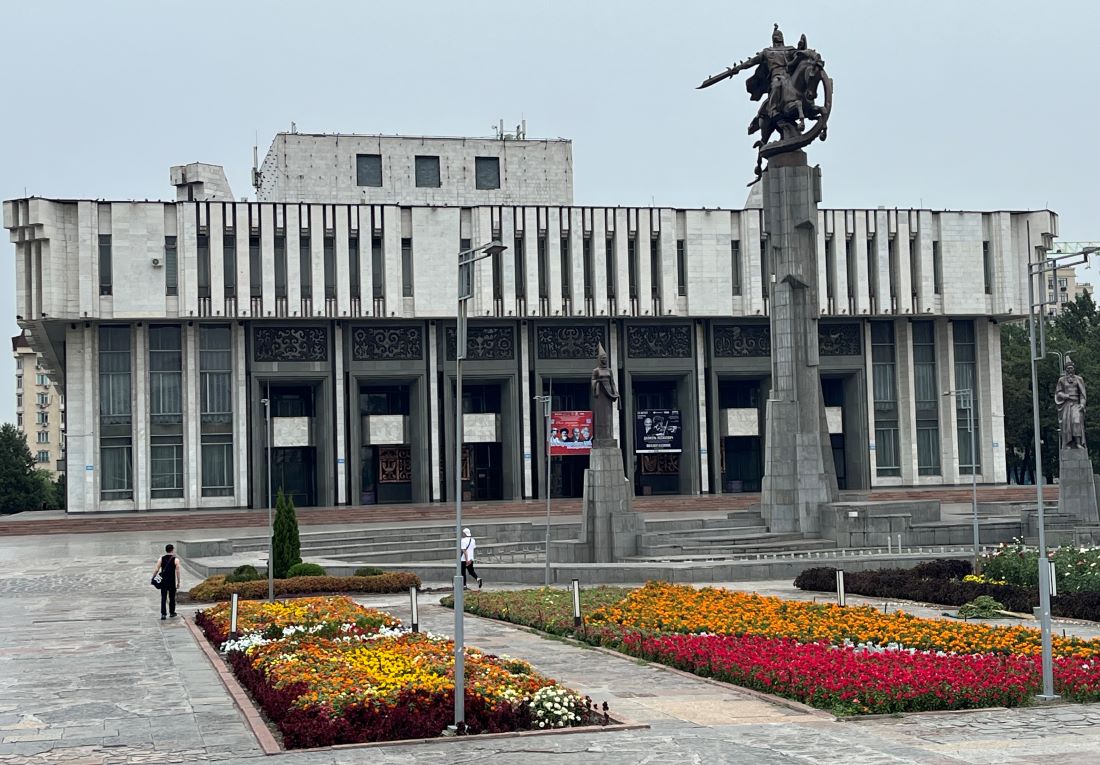
On the second of my two days, the weather turned overcast, but this added to the stark, block-like forms of some of these structures, fuelling my imagination of what life must have been like in the USSR before independence.
Climbed Burana Tower
The slightly leaning 24-metre high Burana Tower is all that remains of what was once a massive brick minaret, built sometime in the 11th century. What is visible today primarily consists of Soviet-era restorations completed in the 1950s.
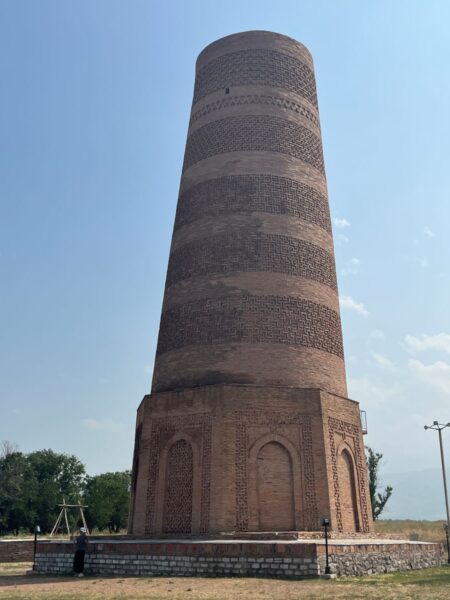
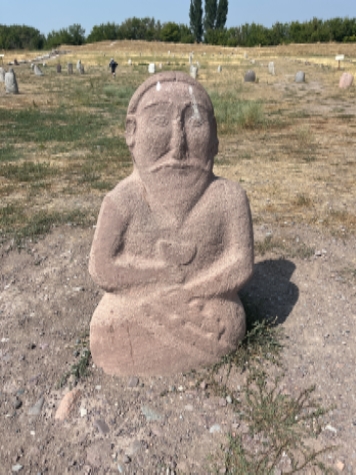
The tower stands as a significant reminder of its home in the ancient city of Balasagun, an important trading post along the Silk Road. Inside, the sturdy staircase allowed for a climb to the top, which provided stunning views of the surrounding mountainous landscape. Apart from the tower, the site comprised of a small but interesting museum, and along the short footpaths, there were many interesting gravestones adorned with intricate markings, some with full bodied sculpturing.
Other attractions I explored in Bishkek
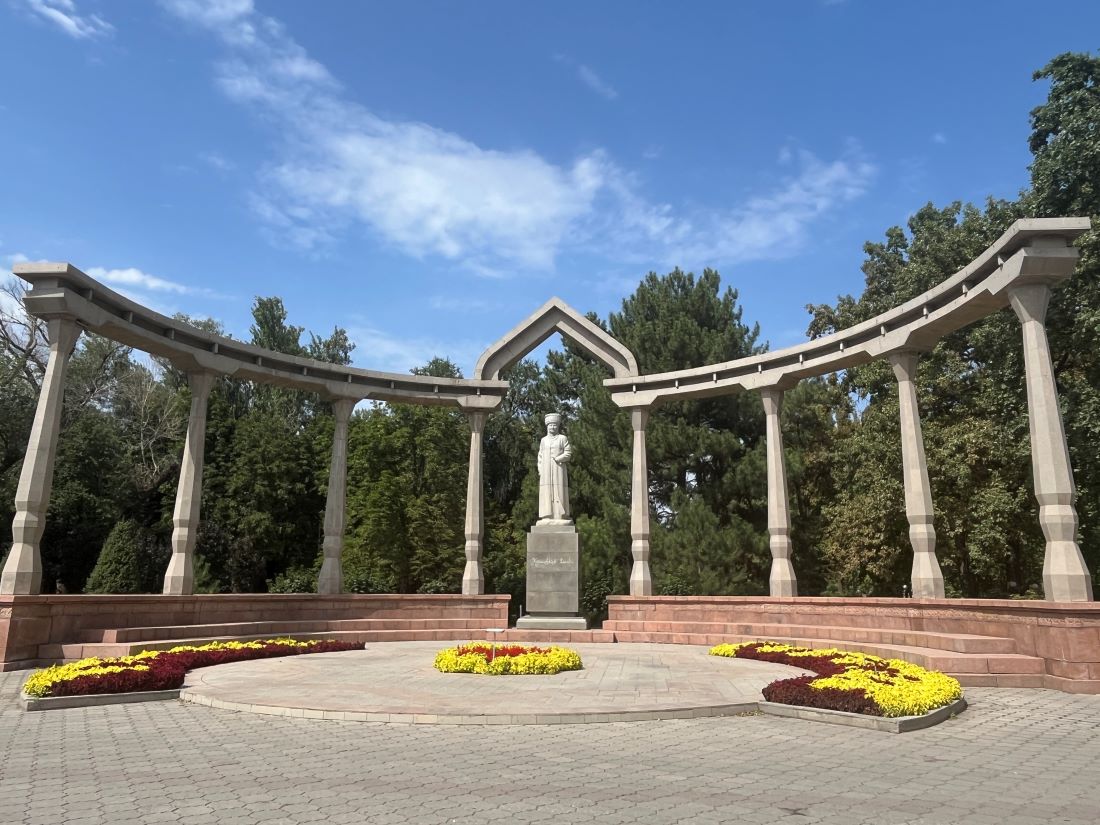
East of Ala-Too lies a pleasant open-air sculpture garden in Oak Park, located behind the statue of Kurmanjan Datka (1811-1907), a revered female tribal leader known for her diplomatic skills that secured peace among various tribes in southern Kyrgyzstan. Nearby is the Nissa Art Salon, a former cathedral that has been transformed into an art museum which was worth a 10-minute wander inside. The Maldybaev Opera and Ballet Theatre, near Victory Square, is a fine example of neoclassical architecture, particularly with its beautiful decorative chandeliers. Equally impressive were the gardens, sculptures, and fountains surrounding the Toktogul Satylganov Philharmonic Hall – all very impressive.
At the far edge of Victory Square, the Kyrgyz Circus stands out like a 1950s UFO. Designed in 1976, this unusual architectural piece is currently closed for renovation. Behind the National History Museum is the Lenin Statue, moved from a central Ala-Too location in 2013 to the less prominent Old Square.
Privileged to have been invited to stay in a Kyrgyz home
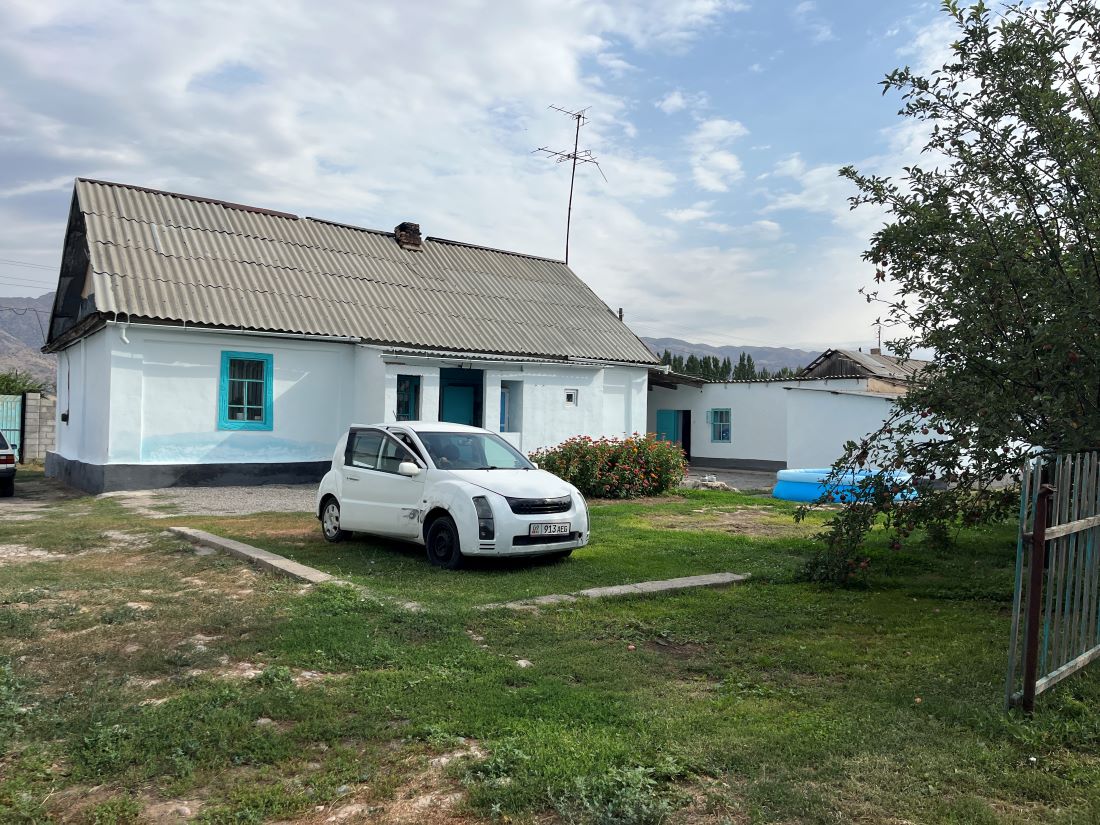
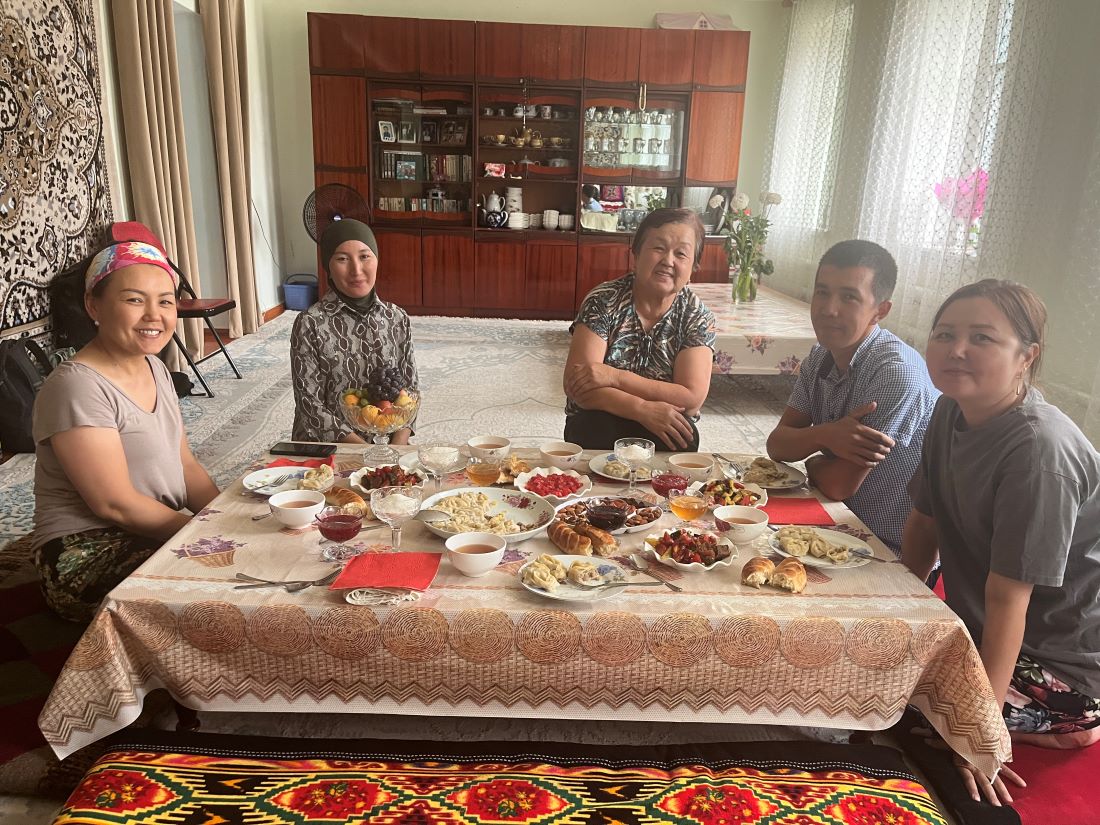
I was extremely lucky to have the opportunity to stay with a family for a few days in the beautiful town of Chym-Korgon, 90km East of Bishkek, once a large thriving industrial town. As time moved on and modern technologies took over, much of the manual labour required was no longer needed, resulting in subsequent generations moving to the bigger cities of Bishkek or Osh. However, much of the infrastructure remains and the town continues to serve the region well, supplying its community with essential facilities.
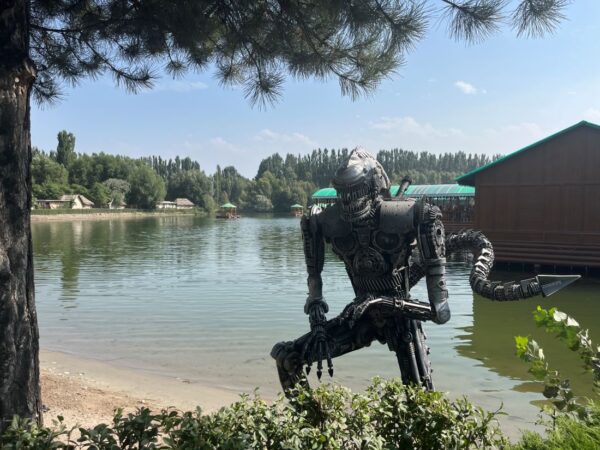
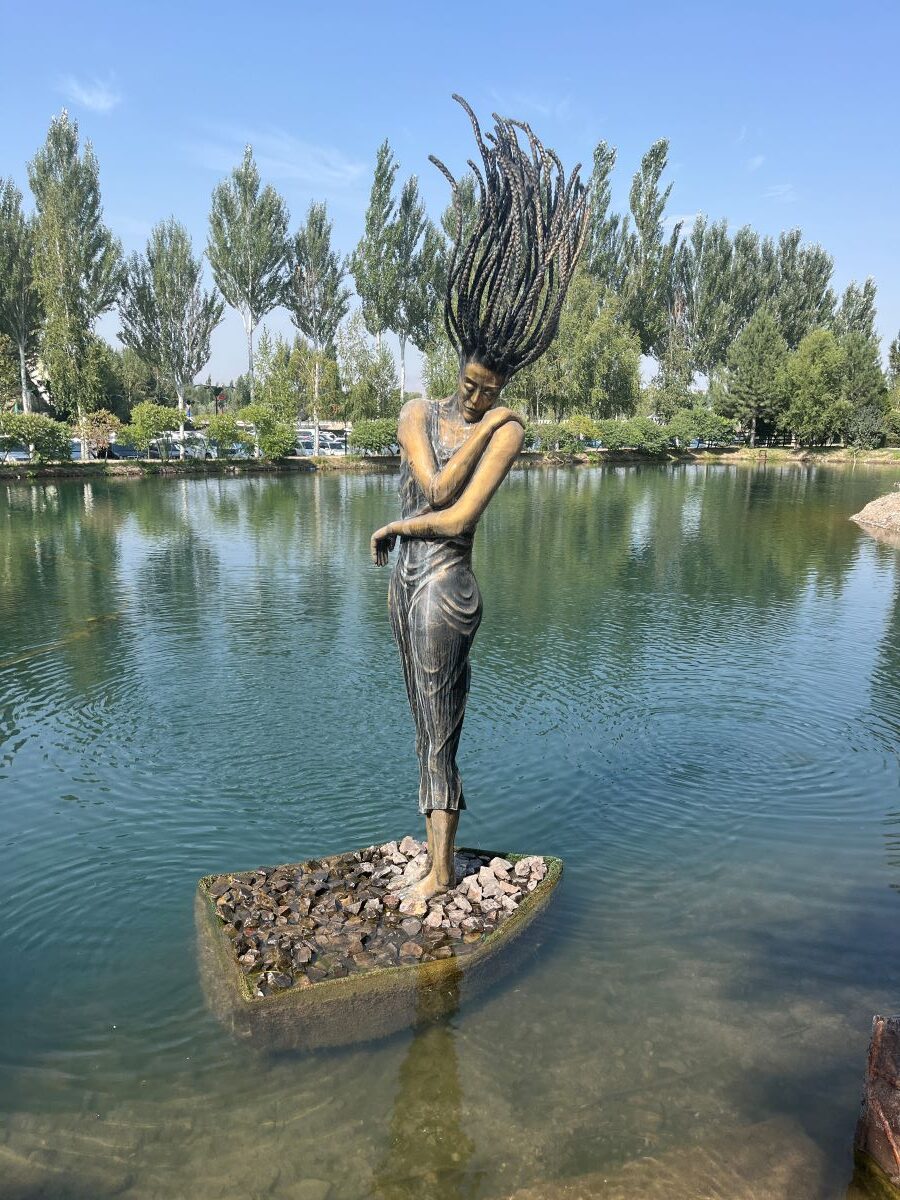
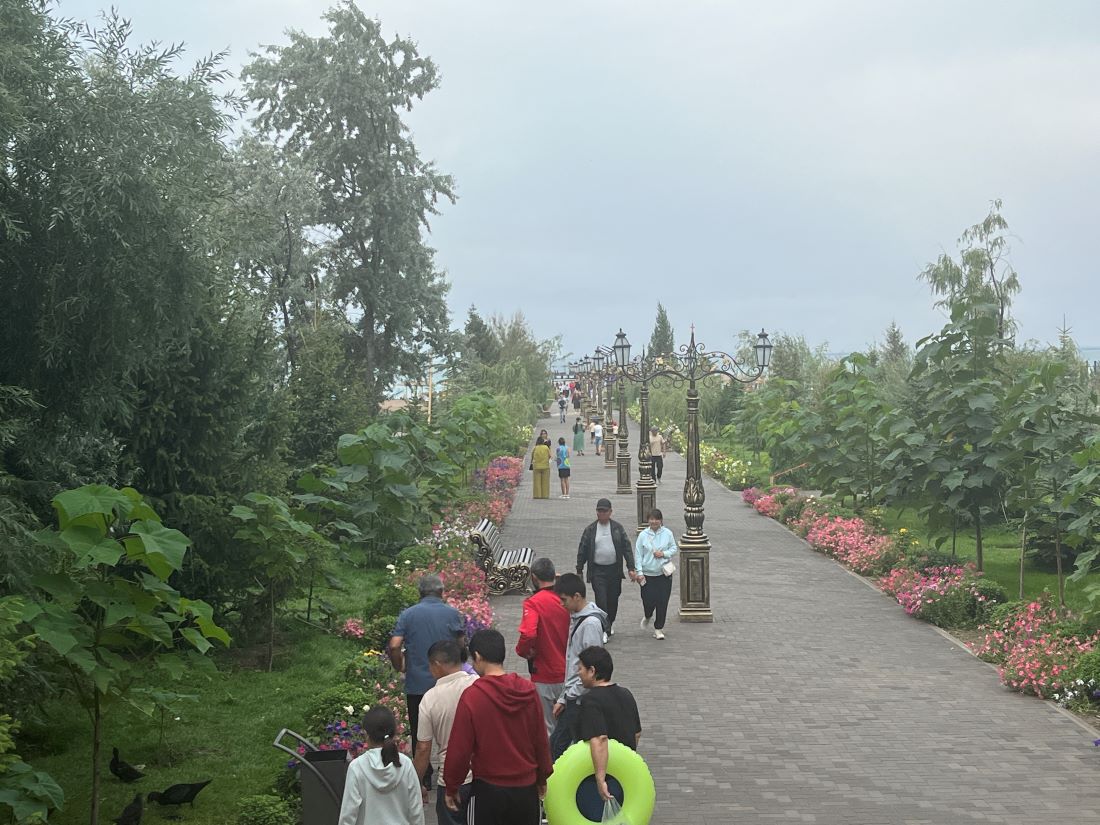
After visiting the Burana Tower, my hosts took me 35 km west of Chym-Korgon to the remarkable Tsentr Otdykha ‘Gavayi’ resort. This place is perfect for friends and families looking for a great day out. It features an eclectic collection of quirky items, such as sculptures related to Chinese astrology and fantastical metal creatures, as well as a mini-zoo (which sadly houses some forlorn-looking animals), a life-size helicopter, and boats that paddle around floating tables for dining in the middle of the lake. The restaurants along the promenades were delightful and beautifully decorated.
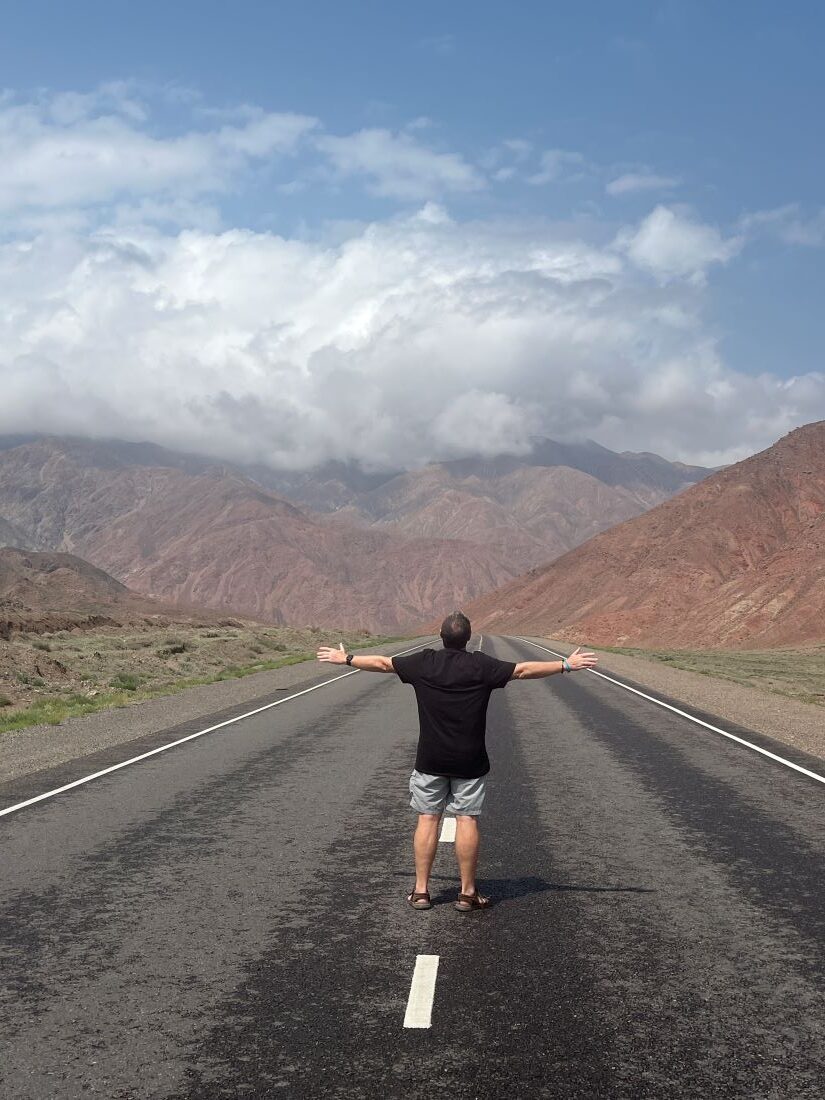
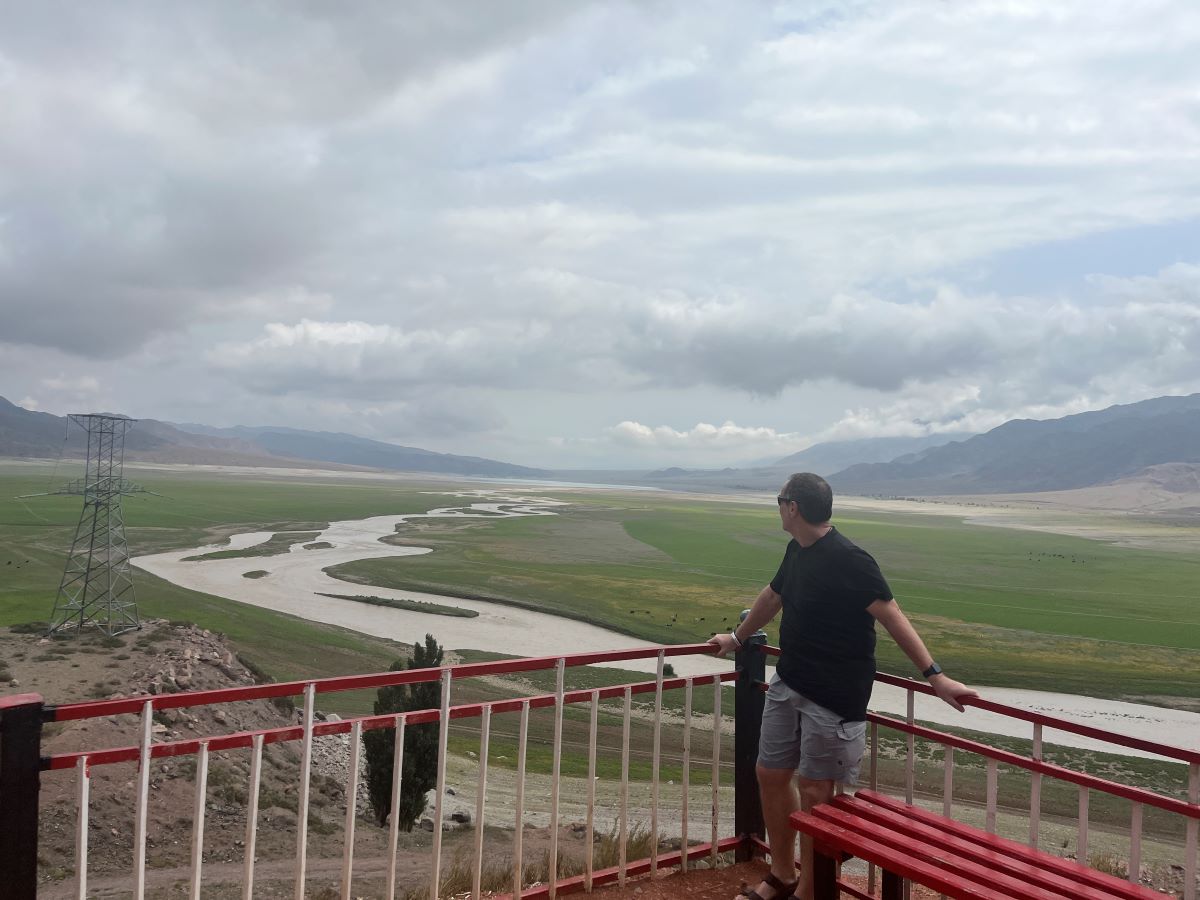
A visit to Lake Issyk-Kul was a must, and I was taken to the popular shoreline at Balykchy, which was bustling with local families enjoying the refreshing waters and activities in a beautiful, untouched beach setting. This was a welcome break from the touristy areas filled with high-rise hotels and vendors selling overpriced souvenirs. Later, we embarked on an awesome, windy road trip heading west to the nearly dried-up Orto Tokoy Reservoir. On route, we were greeted with spectacular mountainous landscapes.
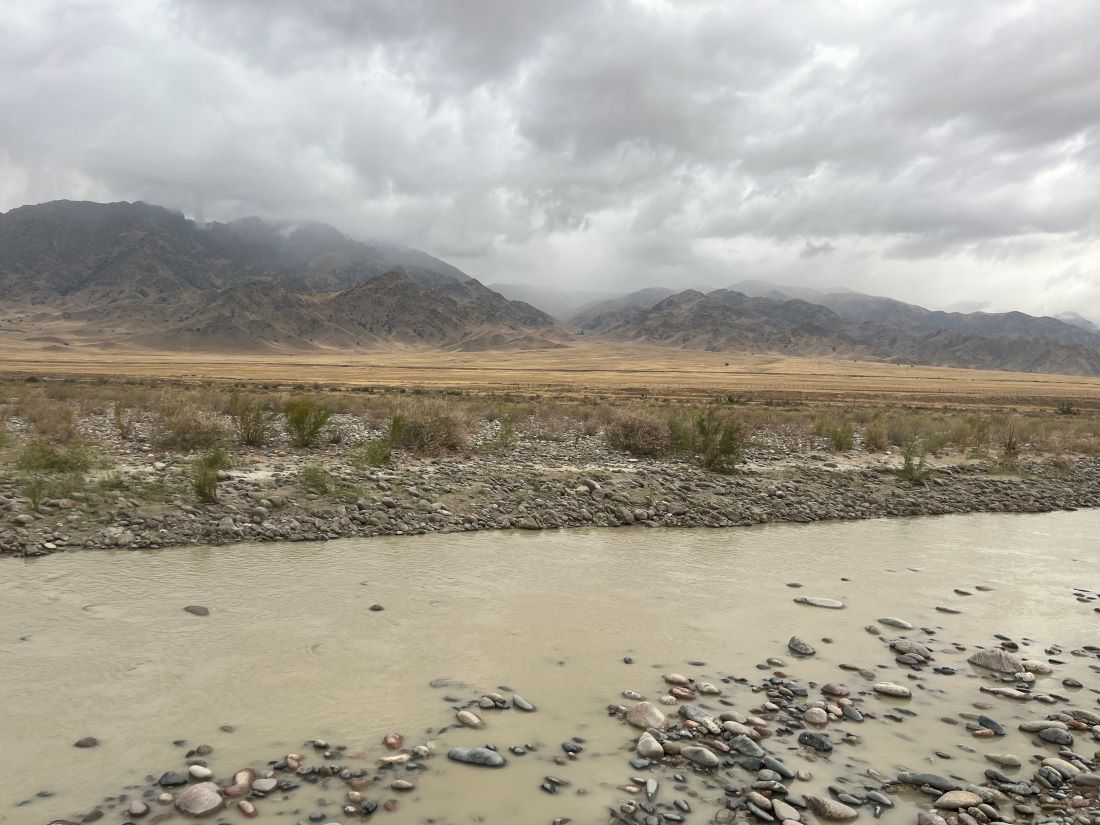
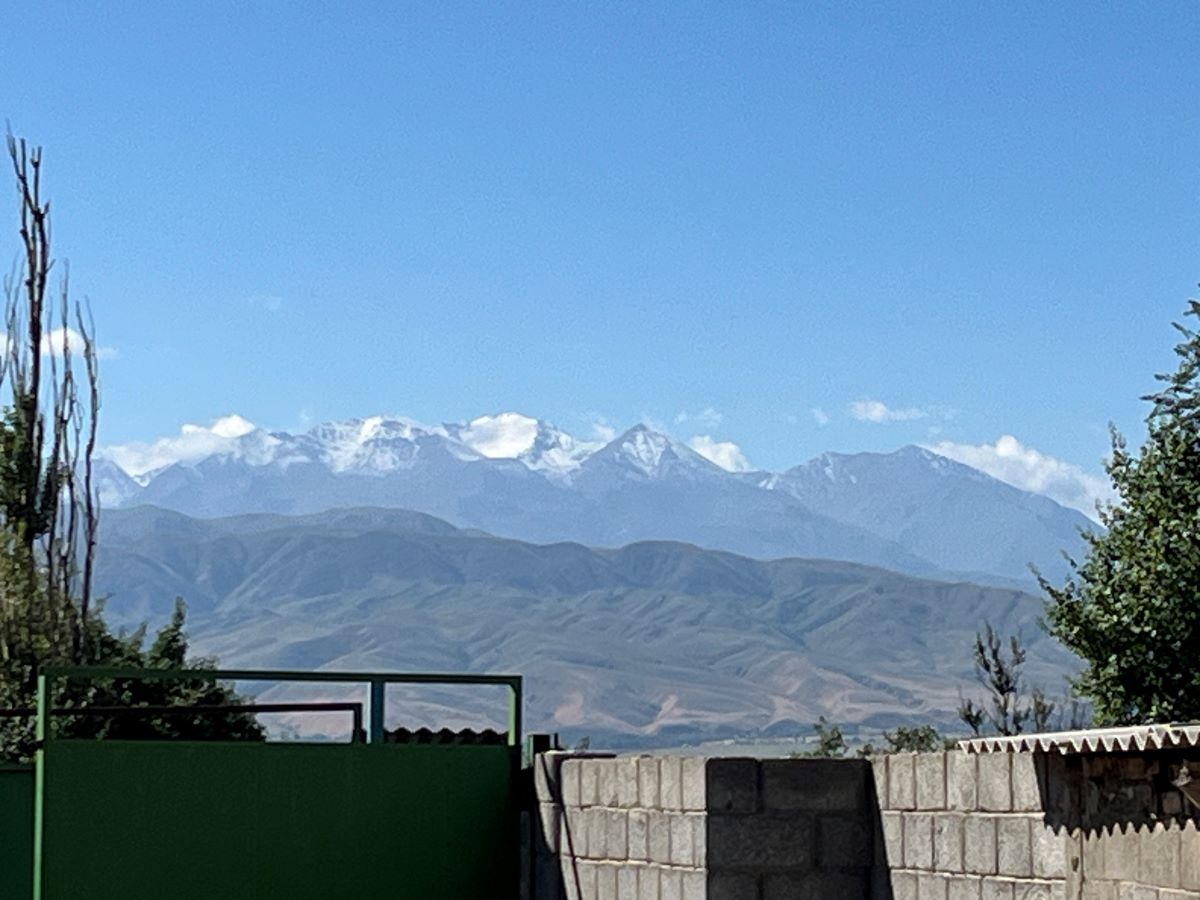
Another memorable spot was the gentle Chu River, which borders Kazakhstan and Kyrgyzstan, with the magnificent Zailiysky Ala-Too mountain range stretching endlessly behind it.
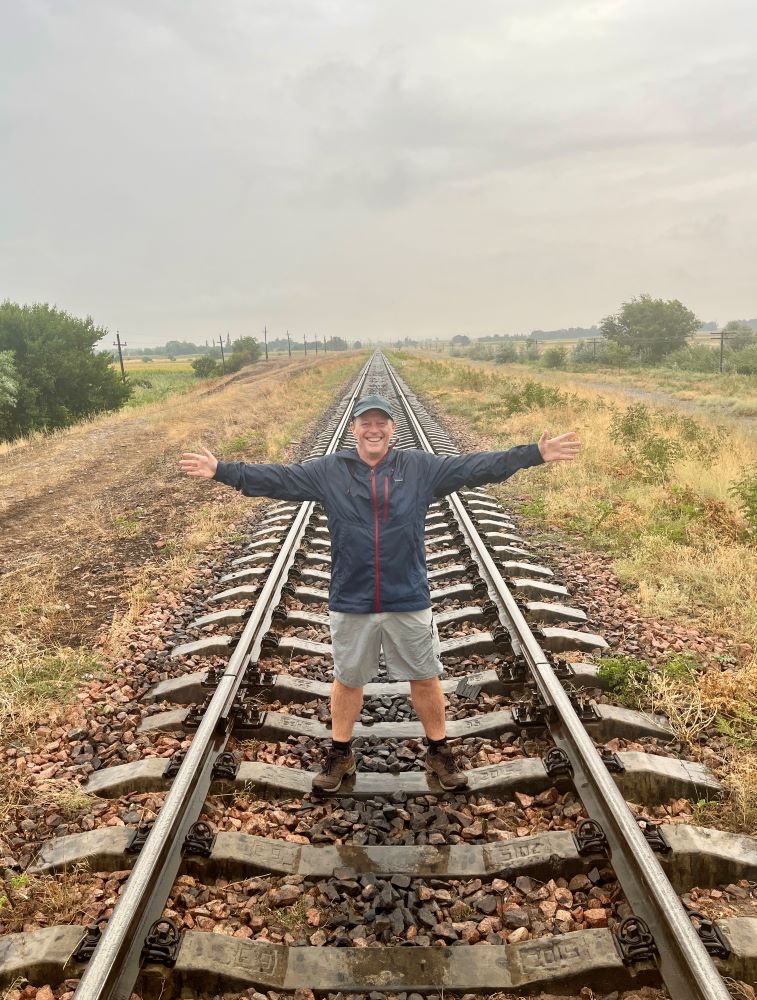
Back in town, I visited a couple of small mosques, where the custodian had a few roles to play in the community, including the maintenance of his farmland. After a short walk along the perfectly straight train tracks, I learned how my hosts harvested their crops, prepared for the return of their livestock during winter, and juggled various jobs around town. It was a busy but fascinating life. I even got to visit the local (and only) school, which placed the community at the heart of its curriculum.
In addition, it was humbling when we visited the cemetery where members of the host’s family were laid to rest. On the visit, I was told of many poignant memories of life in town during the USSR days, and now after independence, where there is greater freedom of expression, some things are not that different – truly fascinating.
Within town, I was privileged to visit a hospital caring for and treating patients with mental health issues and met some incredible, inspirational carers who were not only there to provide a safe environment, but were also incredibly skilled in rehabilitating and enabling the patients to self-care for when they are re-integrated back into the community – often working very long hours for very little extra pay.
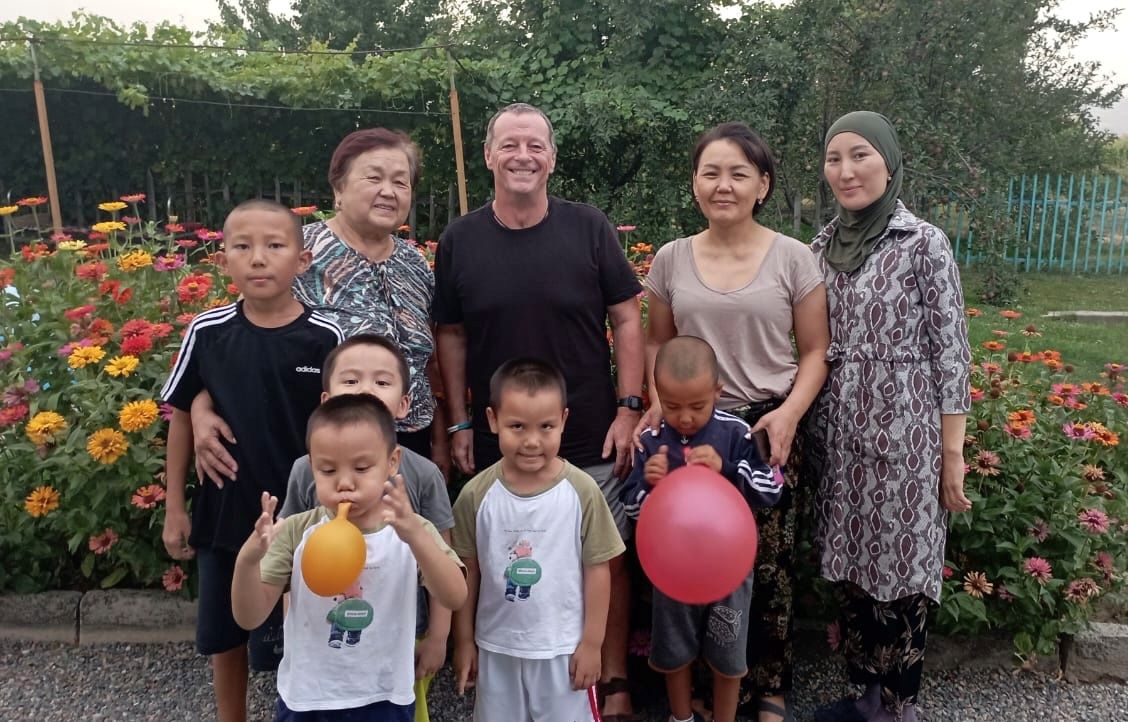
These few days off the regular tourist trail, immersed in the very heartbeat of the country, gave me an enriching experience of sharing cultures, storytelling, and insights into the daily life of a small Central Asian town. It was an incredibly fulfilling experience that will stay with me for the rest of my life, and for that, I truly thank my hosts and their welcoming hospitality.
If I had more time, I would have explored the following places and activities:
- The retail market of Dordoy Bazaar (the hustle and bustle of traders would have been interesting).
- State Museum of Fine Arts (closed at the time of my visit, but with a varied collection of embroidery, felt rugs and paintings).
- Ala-Archa National Park (only an hour from the city and with a couple of great hiking trails through alpine valleys).
- The red canyons of Konorchek (hiking the short trails around the unique rock shapes and formations).
Accommodation in Bishkek
Accommodation in Bishkek is largely centred around hostels and family-run guesthouses. The hostels are great places to connect with other travellers, create tour groups and get advice and tips from staff and other guests for onward travel plans. I stayed in the extremely comfortable and clean Aiva Hostel, where every amenity was in full working order within a very relaxed and friendly atmosphere – 10/10!
Guesthouses are ideal if weary travellers have been on the road for a while and require their own ‘space’, but there are other options, such as Airbnb and family-run B&Bs, that seem to be an increasing trend in Bishkek. The collection of 2* and 3* hotels are a good choice but appears to be aimed at business clients on a budget, although they will often offer great deals for foreign tourists. A couple of luxury hotels seem to be centred around the National State Museum.
Eating in Bishkek
Dining and coffee drinking are incredibly popular pastimes in Bishkek. The city’s food scene has a wide spectrum of options from Samsas (samosas) sold on local street stands to a variety of restaurants serving Asian food and a smattering of establishments offering Western cuisine. Two restaurants I highly recommend for ambience and decoration are Café Faiza and Chalkana Navat. Another place, Chicken Star, is also a popular Korean restaurant, especially on Fridays when local musicians play.
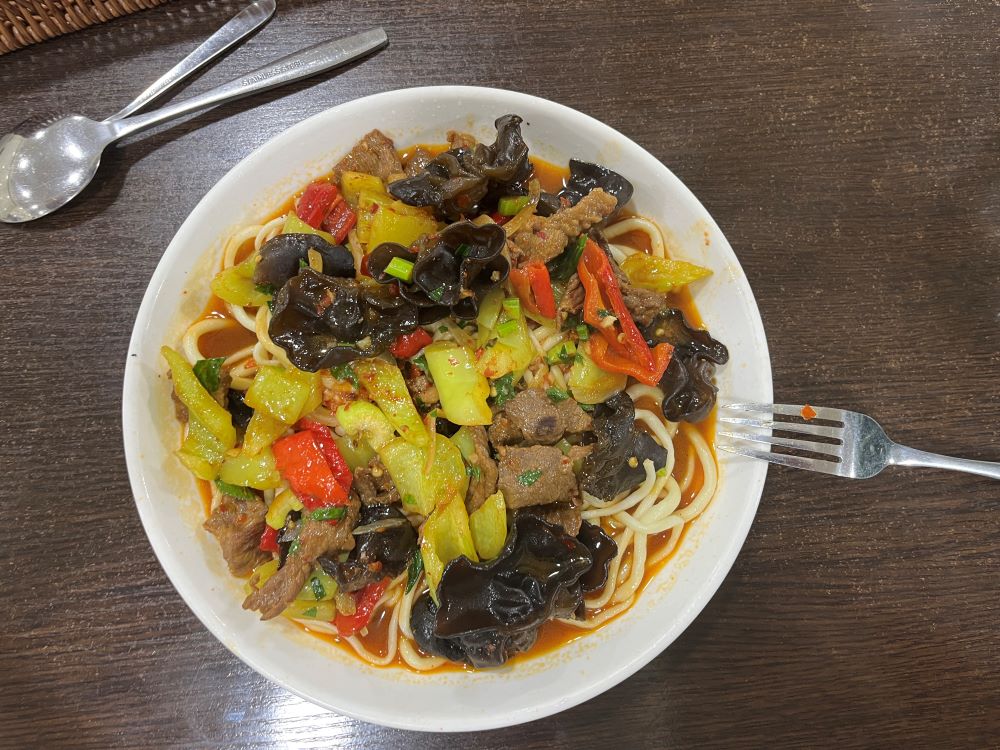
There are also plenty of supermarkets and small independent shops selling locally grown produce. However, for me, with every given opportunity, it had to be the delicious dishes of plov (dish of rice, meat, vegetables and spices) and laghman (mildly spicy, fat noodles served in soup with meat/vegetable). So tasty!
Travellingterry Bishkek Tips
- Street lighting at night is not very good. Most times, I would use my smartphone torch to see where I was going.
- Although most vehicles adhere to traffic lights and stop at pedestrian crossings, motorcyclists tend to follow their own set of rules!
- Yandex offer incredibly cheap rides.
- I needed to be aware of my belongings when walking around Osh bazaar. It generally felt safe, but there were a lot of bustling people brushing by.
- A few useful websites I used when planning my trip were: Kyrgyzstan tourism, Discover Kyrgyzstan and the Silk Road Travel Guide
Onward Travel: Flight from Bishkek to Osh (Kyrgyzstan)
Boy, the traffic in Bishkek is busy, and the roads leading to the National Airport are not exactly flat! Saying that, Bishkek’s airport is very well organised, with all the necessary facilities needed when waiting for a flight, and all officials inside did their job with a smile. I flew with Tezjet Airlines to Osh, and the price and overall experience were comparable to any other regular European budget airline. However, outside of Central Asia, the airline didn’t appear on the more common flight search websites such as Skyscanner or Booking.com. Um… I wonder why!