The first time we visited St. Maarten, back in 2001, we immediately fell in love with the island. Now, after our most recent visit, it has become our favourite Caribbean destination – although there are still plenty more islands for us to discover! On both occasions, we travelled there on a cruise, making the most of our two full days to explore this unique island, which is governed by two European countries but shares beautiful white sandy beaches, a colonial heritage, breathtaking landscapes and two capitals with distinct personalities.
The island’s dual nation comprises St. Martin (French territory on the northern half) and St. Maarten (Dutch territory on the southern half). Despite being divided into two countries, there are no border gates, allowing easy travel between the two territories, enabling visitors to enjoy the year-round warm climate, and the influences of both cultures. Additionally, taxis are relatively cheap and plentiful, with a very frequent bus service that covers every corner of the island.
Our St. Maarten and St. Martin Highlights
The Dutch side is more bustling, attracting tourists who enjoy the Caribbean culture, shop for jewellery, sip on the many varieties of rum, and take advantage of the legal casinos. We were pleasantly surprised to find that the beer at bars and restaurants was quite cheap! In contrast, the French side has a quieter, more European ambience, known for its stunning beaches, markets, and cosmopolitan cuisine – though, unfortunately, the beer prices here were rather high! Inland, the terrain is very hilly, but features lush green mountains and excellent hiking trails. It’s important to note that ‘Hurricane Irma’ severely impacted the island in 2017, resulting in significant damage. Observing various viewpoints around the island, we could see ongoing construction efforts aimed at rebuilding infrastructure, hotels, and resorts for year-round tourism.
Strolled through Philipsburg (St Maarten)
Philipsburg is the vibrant Dutch capital of St. Maarten and the landing point for all cruise ships, which is just a pleasant 20-minute walk away. The town is well-prepared to host and entertain tourists, offering numerous beach bars, cafes, as well as shops for clothing and souvenirs. It’s also a great place to sample the famed guavaberry liqueur.
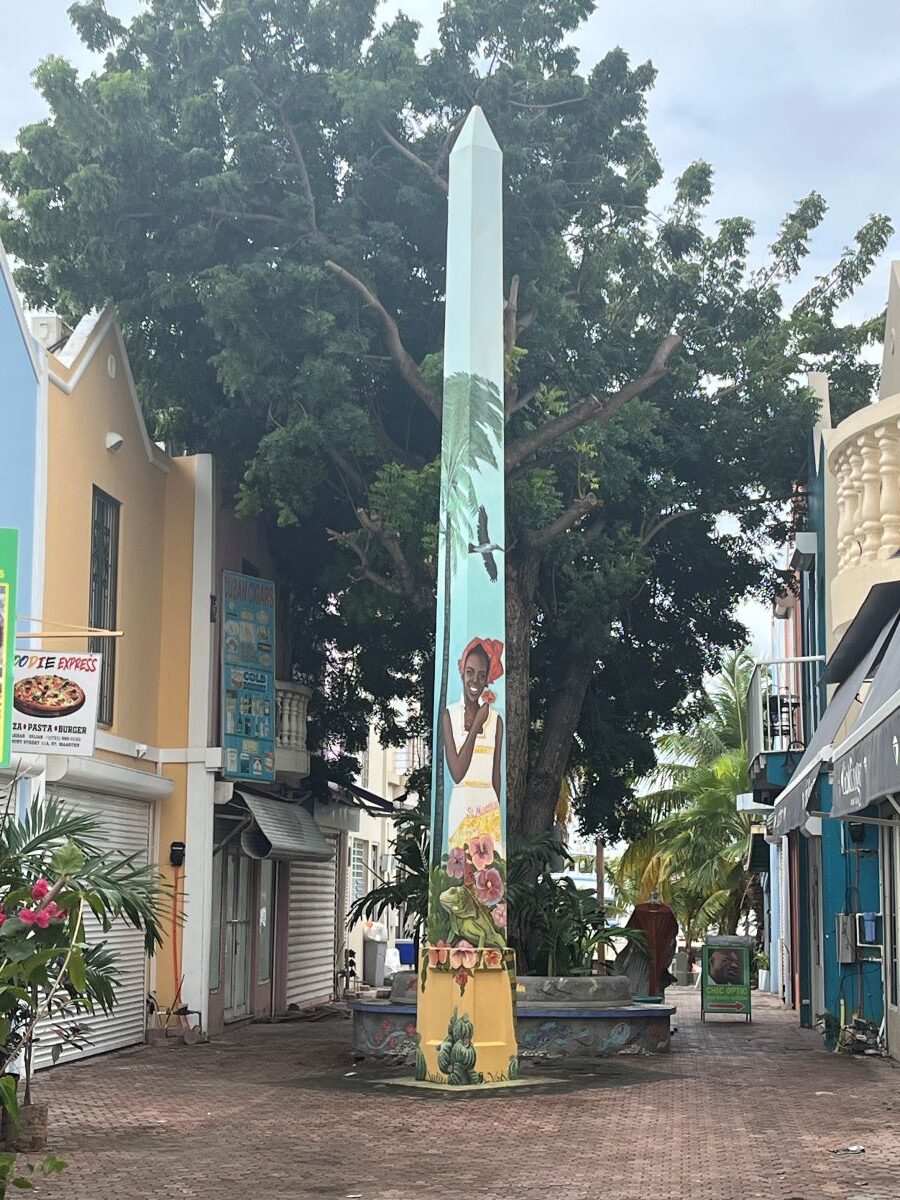
We particularly enjoyed wandering around the main streets running the length of the town, discovering quaint narrow alleys that led to the beach. Back Street, furthest from the beach, felt more authentic, frequented by locals shopping and adorned with occasional street art and colourful murals. Meanwhile, the cobblestoned Front Street is tailored for tourists, lined with palm trees, upscale jewellery stores, restaurants, duty-free shops and the beautiful colonial-style courthouse, which is the only site of historical significance in the area.
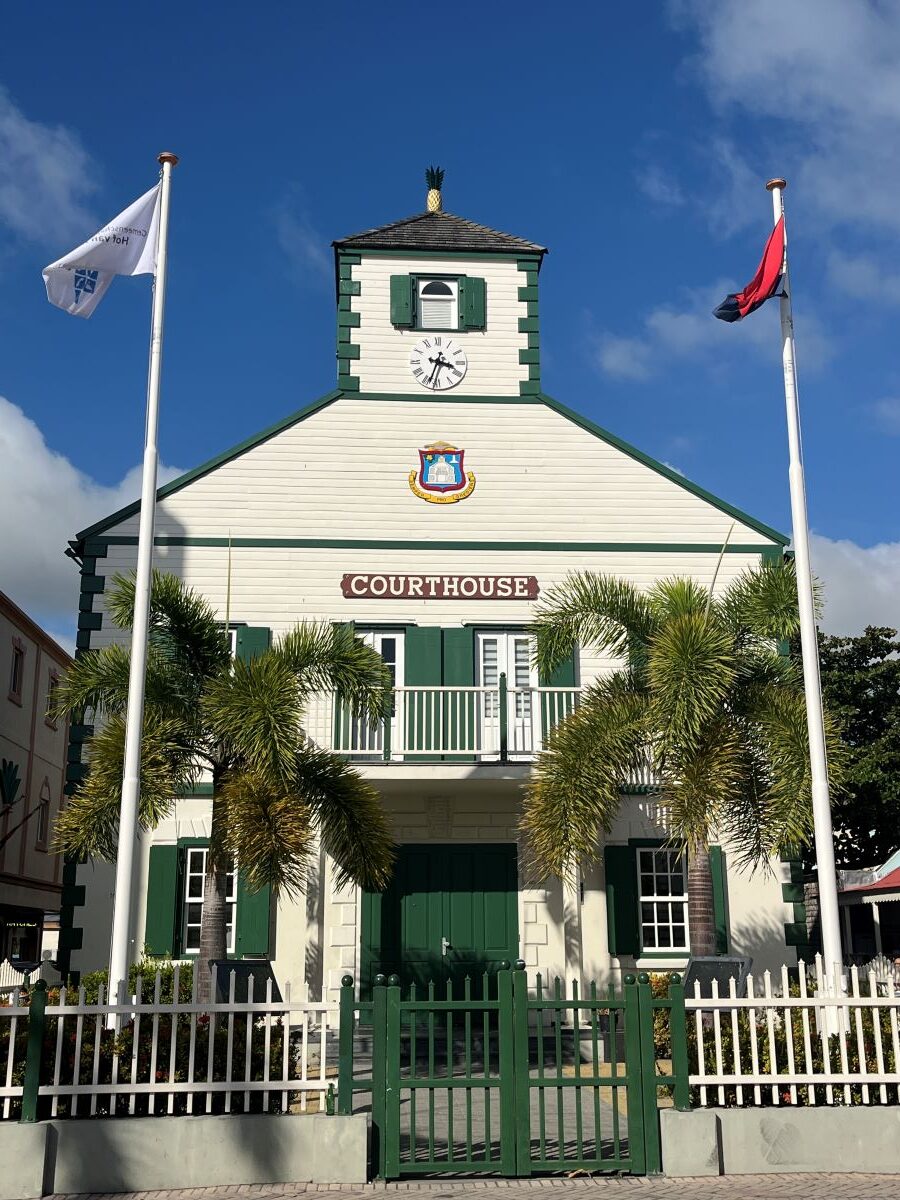
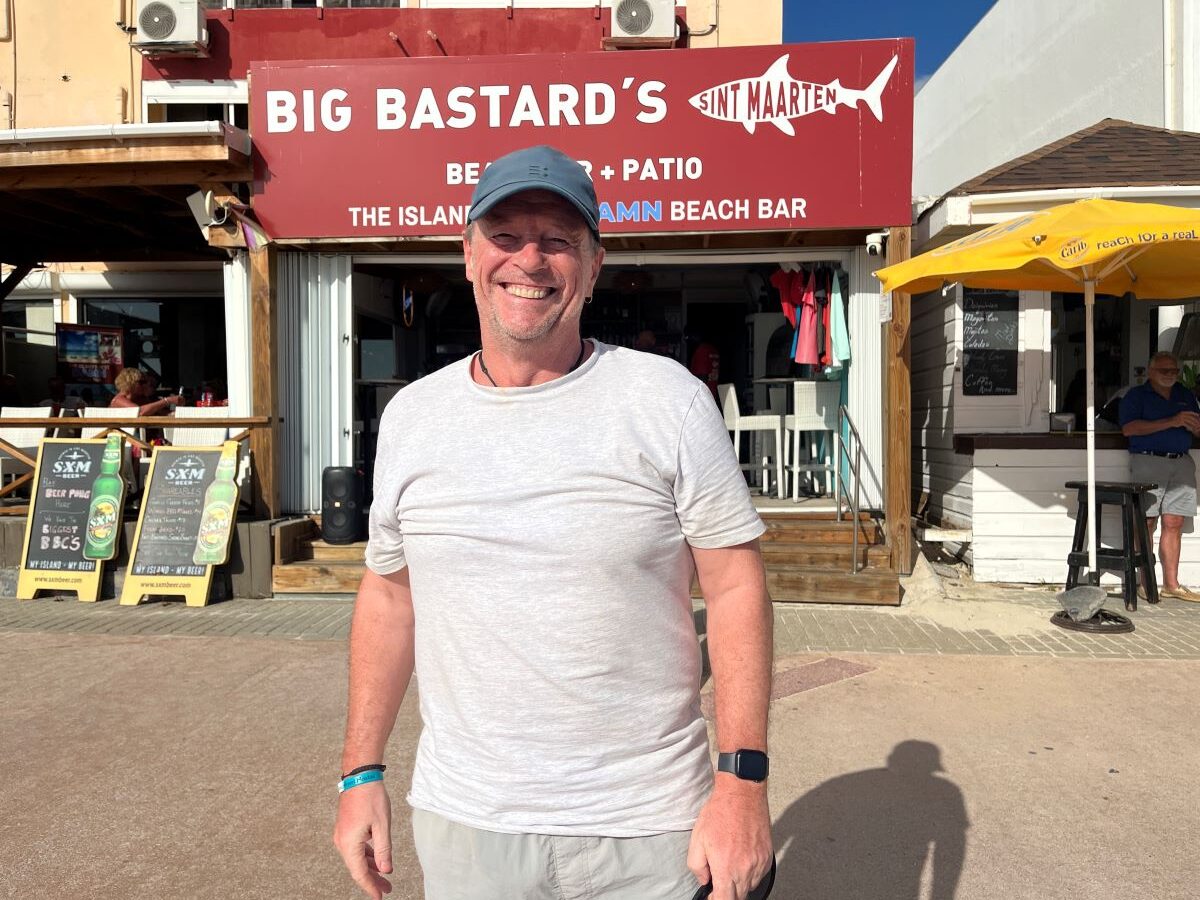
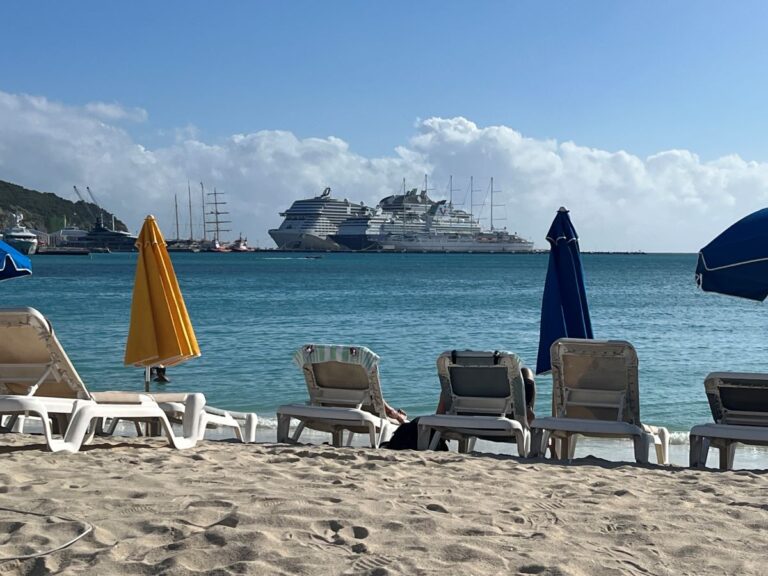
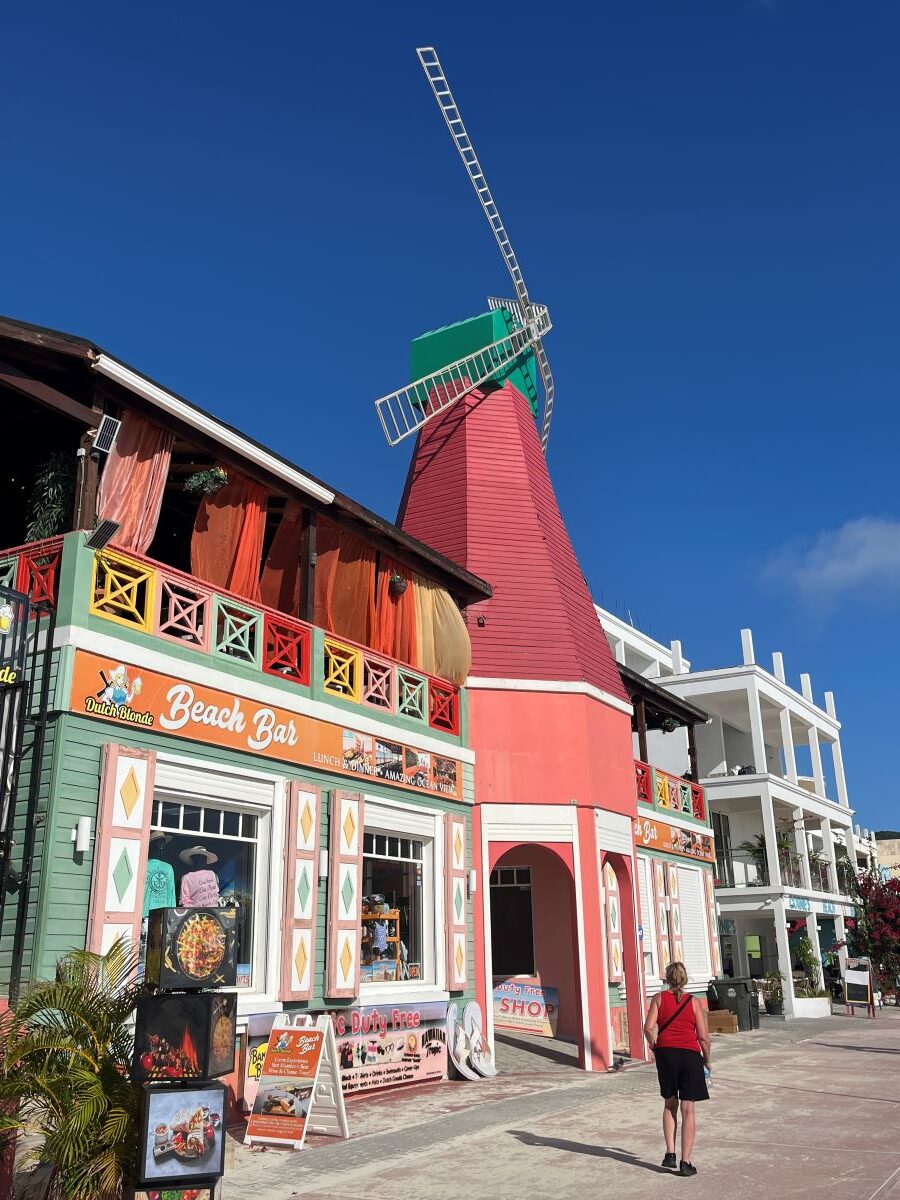
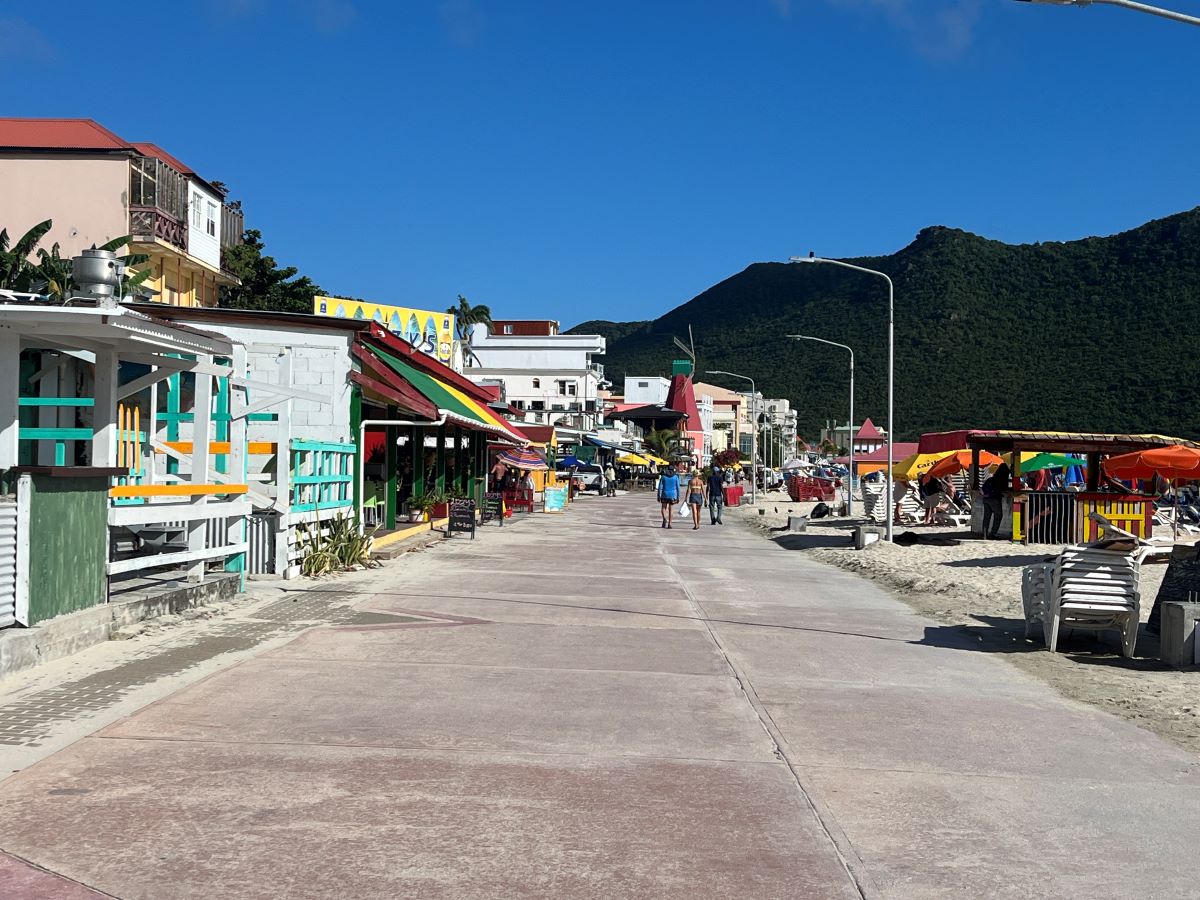
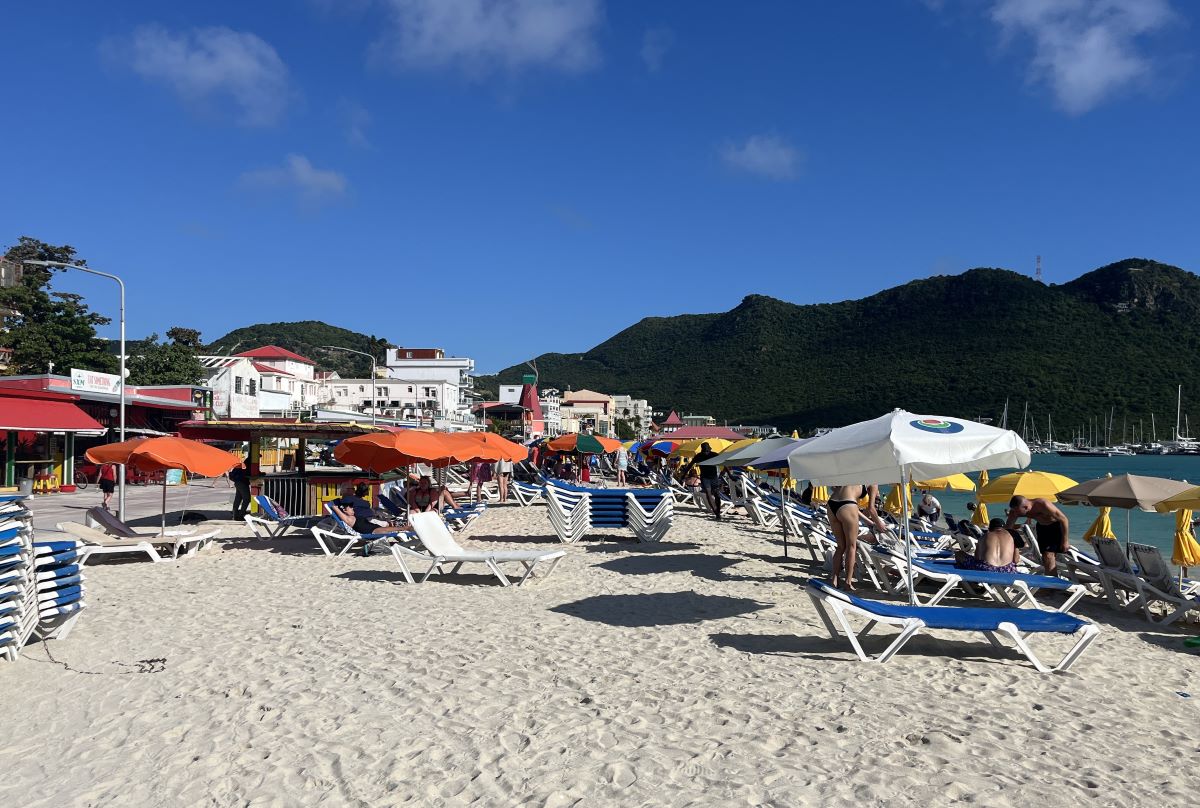
The highlight of our visit was the scenic and lively promenade that runs parallel to both Back Street and Front Street along Great Bay Beach. This area is filled with themed bars, restaurants and souvenir shops, offering outstanding views of the Caribbean Sea, along with plentiful umbrellas and beach chairs set out on the soft white sand. To be honest, we felt that Philipsburg was primarily designed for cruise ship passengers, but the colourful buildings and friendly, relaxed atmosphere created a delightful experience that complemented the island’s charm.
Explored Marigot (St. Martin)
Marigot, the capital of St. Martin, is alive with colonial and Creole-style houses and bustling European-style bistros. The vibrant artisan market and various duty-free shops contribute to the area’s character. Compared to Philipsburg, we found Marigot to have more personality, showcased through its bright buildings, which feature stone and mortar ground floors with wooden upper levels adorned with intricately designed balconies. We also came across numerous designer shops and high-end boutiques, including a modern three-floor shopping mall that could easily fit into any European city – including the prices!
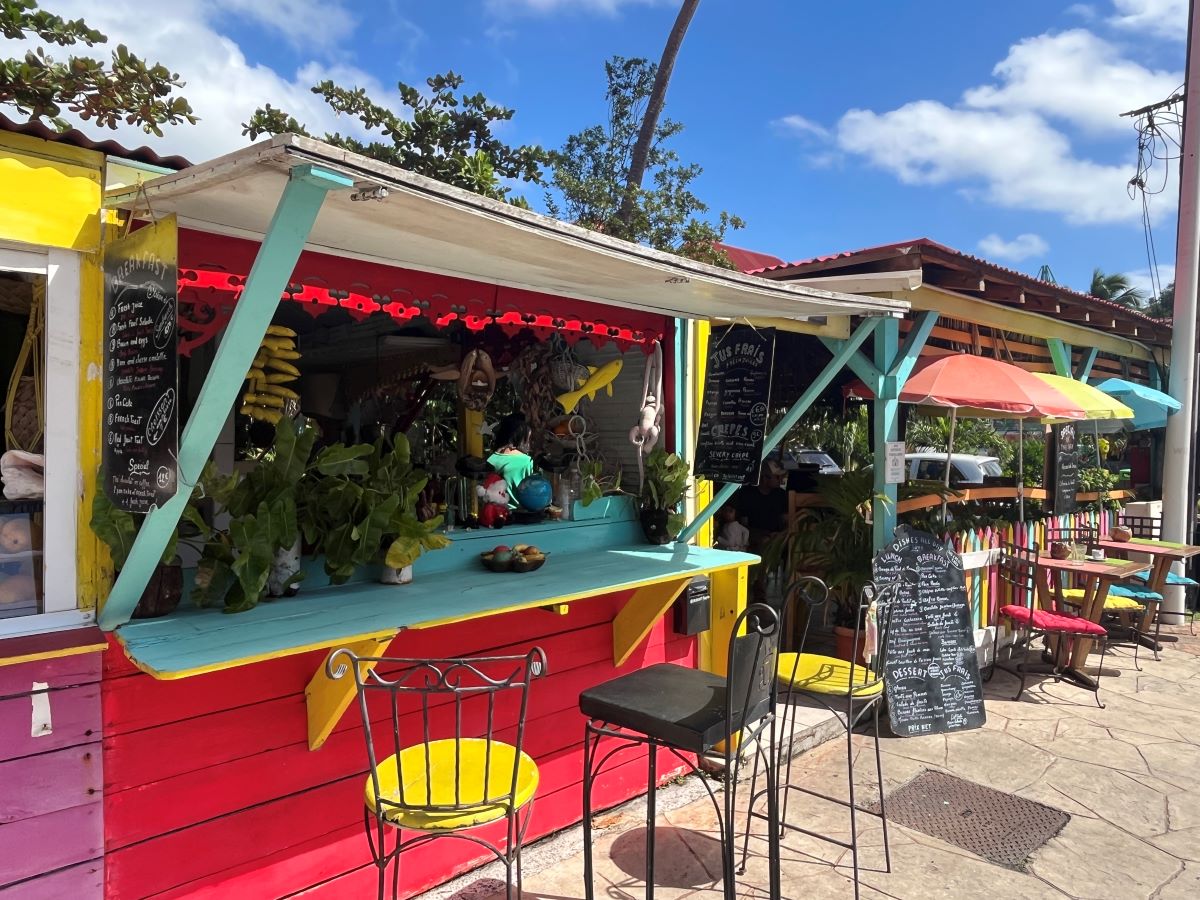
We enjoyed walking through Marigot’s colourful open-air market along the waterfront. While many of the usual tourist items were available, such as clothing, trinkets and various types of rum-flavoured drinks, there were also fascinating stalls selling beautiful handmade crafts that reflected the island’s culture, along with tempting street food stalls. Speaking of food, we were still digesting our hearty breakfast from the cruise ship, so we had to pass on the deliciously awesome-looking pastries available at L’Express and Chez Fernand bakeries. Instead, we opted for a cappuccino at a local bar before heading towards the picturesque marina!
Climbed Fort Louis
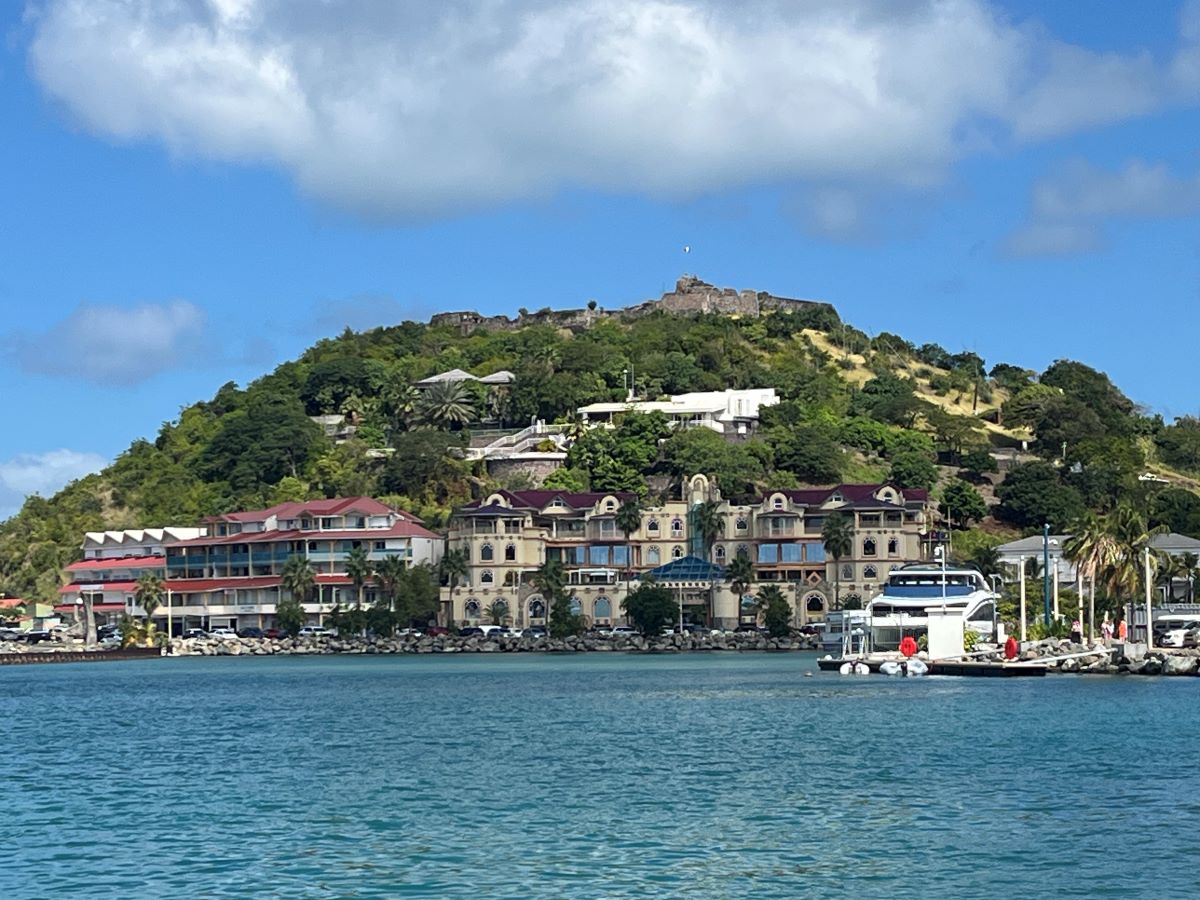
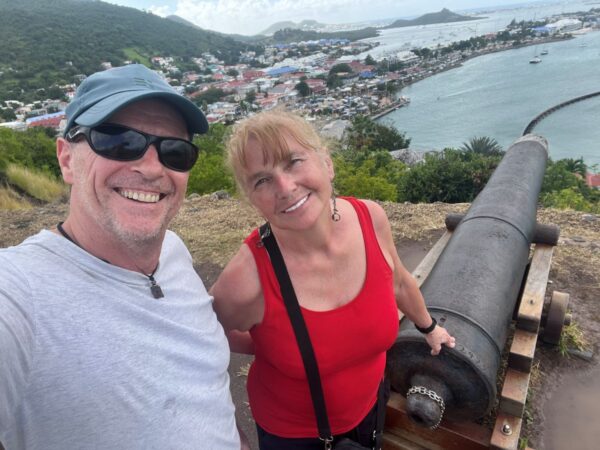
After exploring Marigot, we hiked to the top of Fort Louis, a must-visit site on the island. This historic fortress, built in the 18th century, was used by the French to protect Marigot’s production and exports of rum, sugarcane, salt, and coffee. From the summit, we enjoyed a magnificent 360-degree panoramic view over Marigot, the marina, and several surrounding bays. Although only some ruins and a couple of old cannons remain, it did provide us with an appreciation of the fort’s significance during its operational years. We even spotted a couple of iguanas along the way!
Reminisced the good old days at Maho Beach
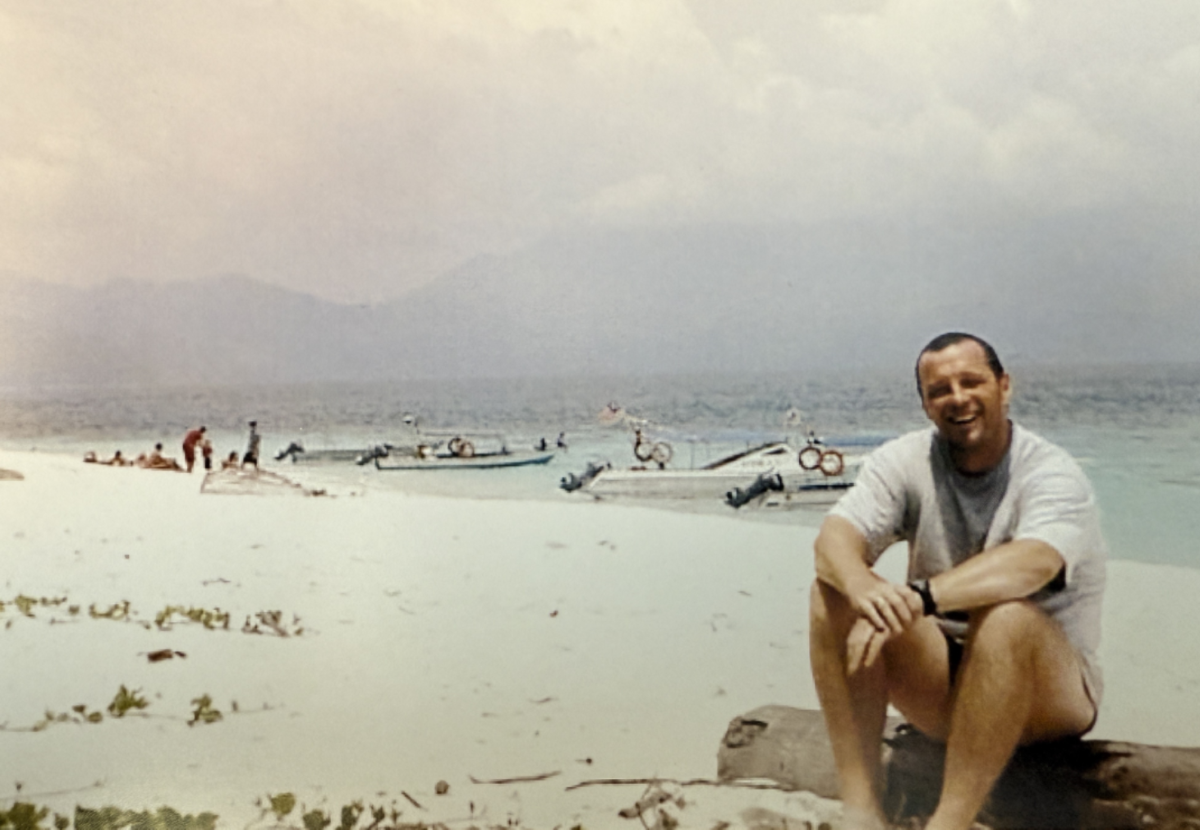
Maho Beach is famous for the planes that land dangerously close to the shore as they approach the short runway at Princess Juliana International Airport. When we visited the beach back in 2001, we saw a few small passenger planes fly overhead just before landing. That experience was quite special, but it pales in comparison to today, where it has become a major tourist spectacle and a must-do for visitors. Large aeroplanes, such as KLM and Air France 737s, frequently fly overhead with roaring jets, sending sand flying and coming perilously close to people’s heads. Check out some images online; it has become a bucket list item for many people.

Explored the Beaches
During our recent one-day visit, we mainly explored the two capitals. However, on our previous visit in 2001, we took a cruise excursion that led us to two or three beaches. A lot has changed since then, and with a staggering number of 37 recognised public beaches on the island, each with its unique charm, it can be tricky to decide which beach to choose for future excursions or vacations. Here are a few of the most popular beaches;
- Mullet Bay Beach (A couple of kilometres from Maho Beach, where the water is so clear that you can see the sandy bottom even while standing neck deep);
- Orient Bay (Often described as the “Saint-Tropez of the Caribbean,” this beach offers a laid-back vibe, with beach bars, water sports, and numerous sun loungers to rent, making it an ideal spot for families to relax and enjoy the idyllic surroundings);
- Grand Case (Known for its restaurants and beach bars, this area features newly built eateries and accommodations raised above the beach with stairs leading down for easy access).
For those seeking secluded, less touristy beaches, sunbathers tend to head to: Friar’s Bay with picturesque surroundings, calm waters, ideal for paddle boarding; Prune Beach where the entrance is via a private residence and known for spotting iguanas along a lush green walkway path towards the beach; or Baie Rough, which is popular among locals and claimed to be the most tranquil of all beaches on the island.
If we had more time, we would have explored the following places and activities
Apart from enjoying the strolls around Philipsburg and Marigot, and lounging around all day on a beach, there were plenty of other activities for us to choose from if we had a couple of days. For example:
- Participate in water sports and outdoor activities across the island, such as jet skiing, parasailing, kayaking, and hiking, particularly to Pic Paradis, the island’s highest point. Another common activity is horseback riding and to experience the world’s steepest zipline.
- Explore neighbouring islands: Anguilla (25 minutes by ferry), known for its stunning beaches and upscale resorts; St. Barthélemy (45 minutes by ferry), famous for high-end boutiques, celebrity sightings, and gorgeous beaches; Saba (90 minute by ferry), popular for extreme diving, snorkelling, and hiking.
- Visit Pinel Island, located on the northeastern coast of St Martin. It takes a 7-minute ferry ride, and on arrival, sunbathers are met with two beaches and two restaurants/bars surrounded by clear turquoise waters and white sandy beaches. It’s an ideal spot for snorkelling, particularly to see turtles and stingrays, as well as for short hikes along the coastline.
Accommodation in St. Maarten and St. Martin
On both sides of the island, there are a range of accommodation options: AirBnBs, B&Bs, resorts, and plenty of guest houses. There is also a very dodgy-looking hostel in St. Maarten! Compared to other Caribbean islands, the price tag for an average 3* or 4* hotel is quite high. As we were cruising, we spent the night on the ship, but during the day, we saw more ‘non-cruisers’ vacationing here than on any other island we visited, with a notable number from Europe.
Eating in St. Maarten and St. Martin
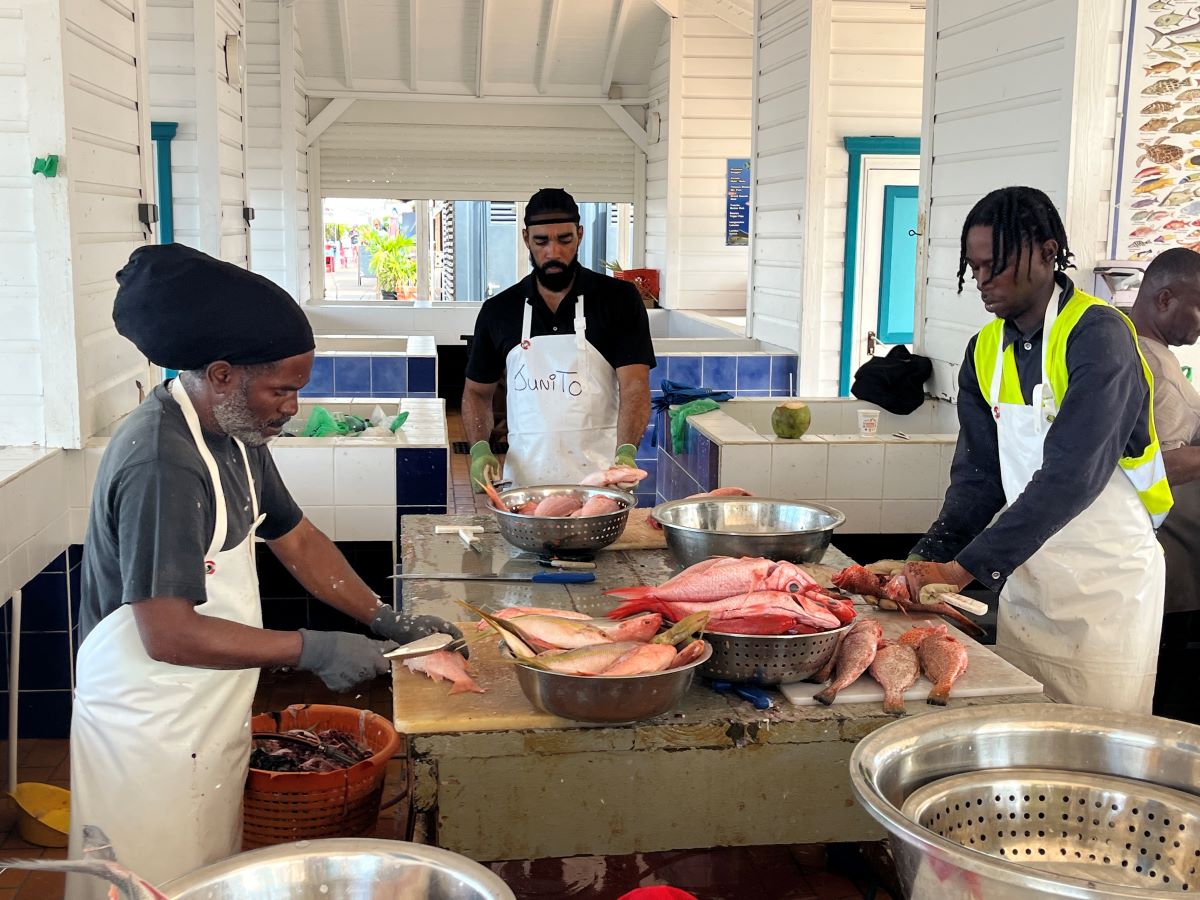
Although we dined on the cruise ship, the island (in particular the St. Martin side) is often referred to as the culinary capital of the Caribbean. However, the best local cuisine can be found at a ‘Lolo,’ which is a small, traditional restaurant with an open kitchen. Tables are arranged around the cooking area, often spilling out onto the street, allowing customers to enjoy a variety of Creole dishes, grilled seafood, and flavourful sides at reasonable prices.
Travellingterry St. Maarten/St. Martin tips
- Frequent buses (mini-vans) travel from Philipsburg to Marigot (and vice-versa), stopping wherever they are flagged down.
- The island’s extensive bus routes mean that nearly every beach or village/town has at least two daily services.
- Useful websites we used for the island were: Visit St. Maarten/St. Martin and St. Maarten
- We used Euros in both territories and had not problems using it as local currency
- The best time to visit the island is between January and June, with the wet season being June to November, and September being the worst month for hurricanes.
- Reading a few blogs and talking to many Caribbean travellers, St. Maarten Island is probably viewed as one of the safest islands in the Caribbean.