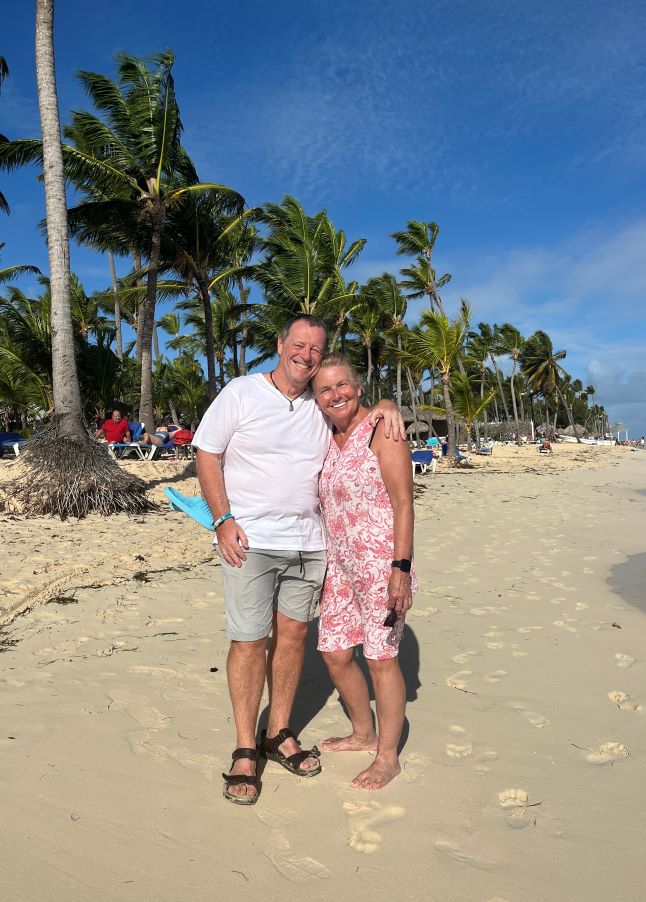
Columbus once referred to the Dominican Republic as “the fairest land under heaven.” This nation is home to the oldest European settlement in the Western Hemisphere and shares the island of Hispaniola with Haiti to the west. With a 5,310 km coastline, the Dominican Republic boasts one of the largest tourist industries in the Caribbean. In addition to its stunning pristine beaches, resorts, and golf courses, the country features diverse landscapes, including rainforests, savannahs, and highlands, with Pico Duarte being the tallest mountain in the Caribbean. However, the nation presents a dual face: its beautiful beaches, rich colonial heritage, and infrastructure catering to various budgets contrast sharply with the poverty experienced by many of its residents.
The history of the Dominican Republic features periods of colonial rule, independence struggles, and political turmoil. Originally inhabited by the Taíno people, the island was colonised by Spain after Christopher Columbus arrived in 1492. It achieved full independence in 1844 following a prolonged war with Haiti. This independence came after decades of civil wars and foreign interventions, ending with an authoritarian regime led by Rafael Trujillo, who governed the country from 1930 to 1961. Since then, although the country has experienced moments of democracy, it still faces substantial social and economic problems. Nevertheless, in comparison to its neighbour, Haiti, the Dominican Republic is currently seven times wealthier.
My Highlights
With over 300 years of colonial rule with an additional 150 years of civil unrest, it made sense to begin exploring the country’s capital, Santo Domingo, where numerous landmarks and structures illustrated its turbulent past.
Strolled Through Santo Domingo – Zona Colonial
Unfortunately, due to time constraints, I could only visit Santo Domingo on a day tour from Punta Cana. It was quite an intensive schedule, with a 6:45 AM pick-up and an 8:00 PM return. This meant approximately 50% of the time was spent travelling to and from Santo Domingo by bus, leaving about 6 to 7 hours to explore the city itself.
The first stop on our tour was the colourful 131-foot-high Santo Domingo Obelisk, located along Avenue George Washington (Malecón), which hugs the coastline. Erected in 1937 to celebrate the end of Trujillo’s dictatorship, this obelisk features vibrant art created by local artists, showcasing national pride and resilience, all with the stunning backdrop of the blue Caribbean Sea behind.
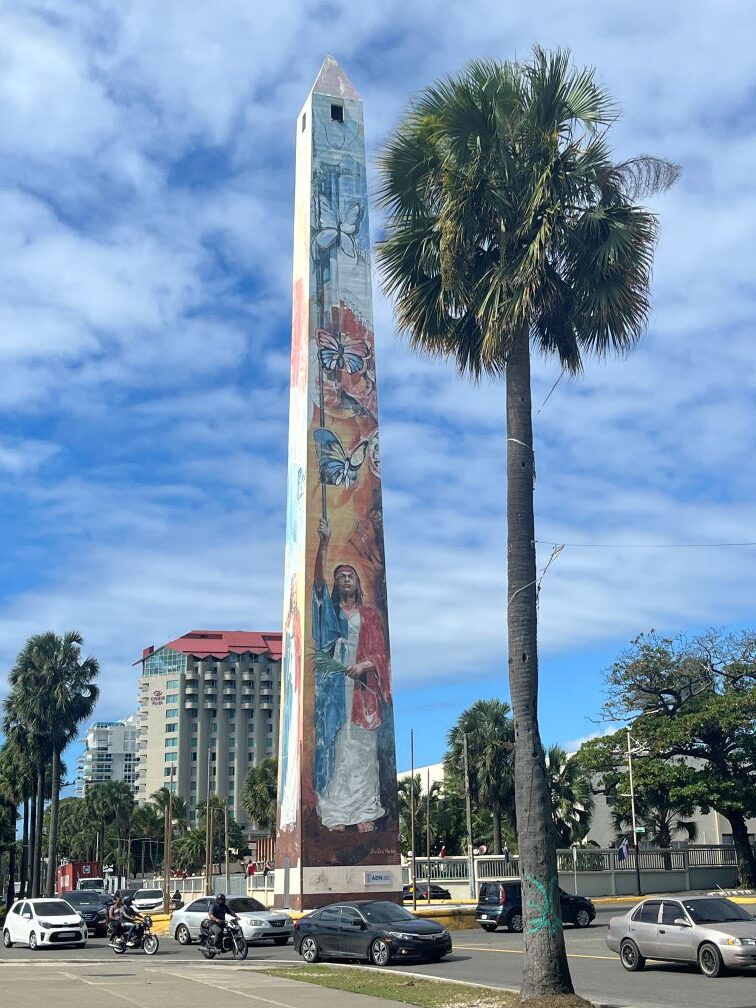
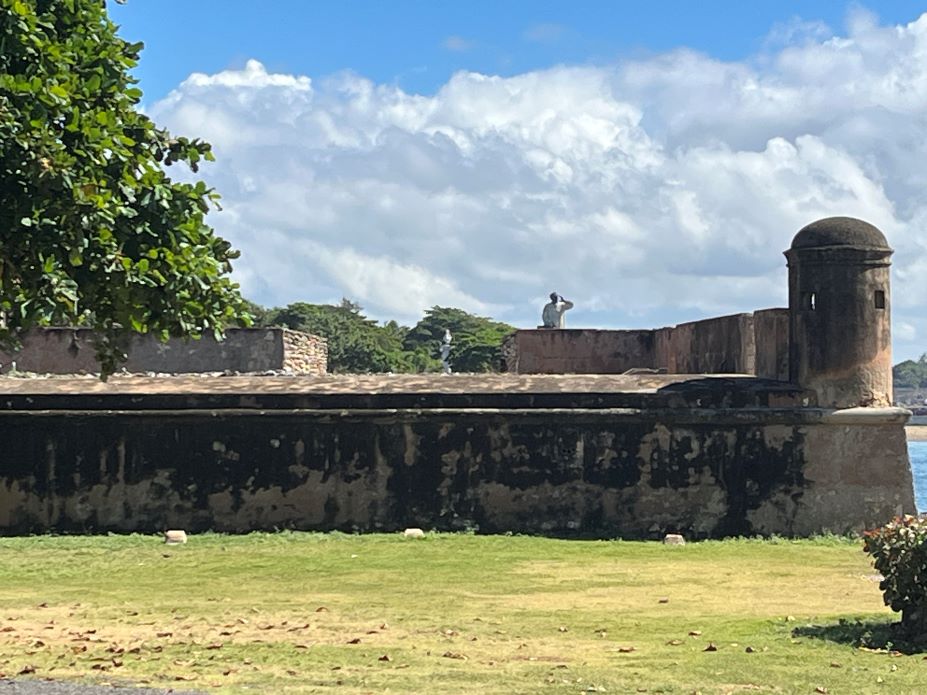
The Malecón showcases several prominent landmarks that reflect the country’s history, including numerous historical monuments and an endless array of small parks adorned with sculptures and eateries. Among these is the curious Monumento a la Independencia Financiera (Monument to Financial Independence), which commemorates the Dominican Republic’s repayment of a nearly $10 million debt to the United States in 1947 after 40 years of instalments. It was also fun exploring a replica of the 16th-century Spanish fort Fuerte San Gil, which fell into the sea in 1887 due to erosion and a severe storm.
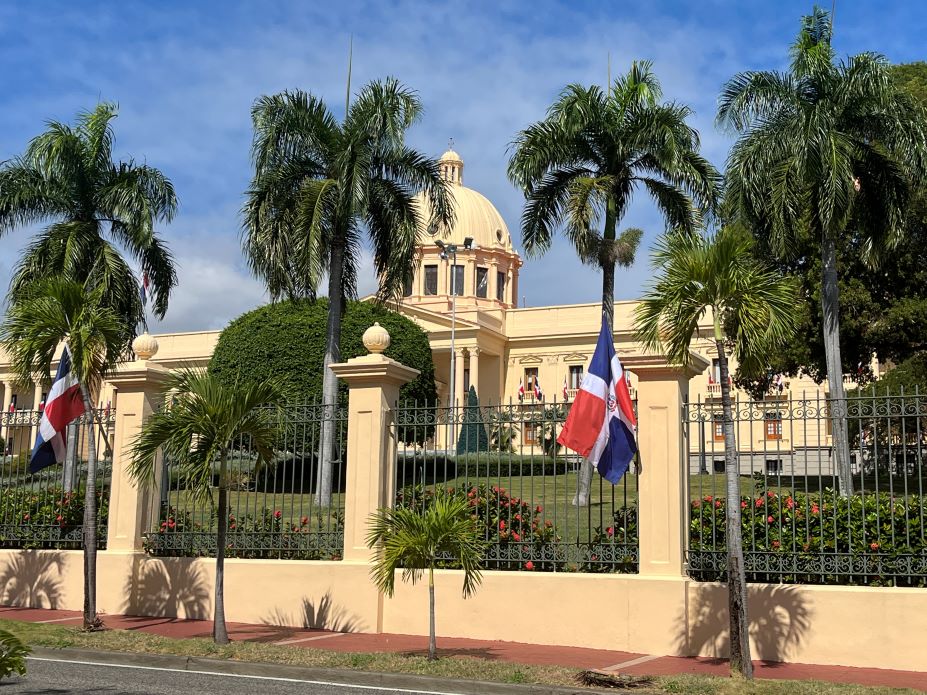
A notable stop for about 10 to 15 minutes was the beautiful neoclassical Dominican Seat of Government, built in 1947 from Samaná roseate marble during Trujillo’s rule. This building continues to house the National Parliament and the President’s office. Unfortunately, it was closed to the public on the day of my visit, but our guide shared that the palace is elegantly furnished with mahogany furniture, paintings by prominent Dominican artists, magnificent mirrors inlaid with gold, and an impressive amount of imported crystal – all of which would have been a sight worth seeing.
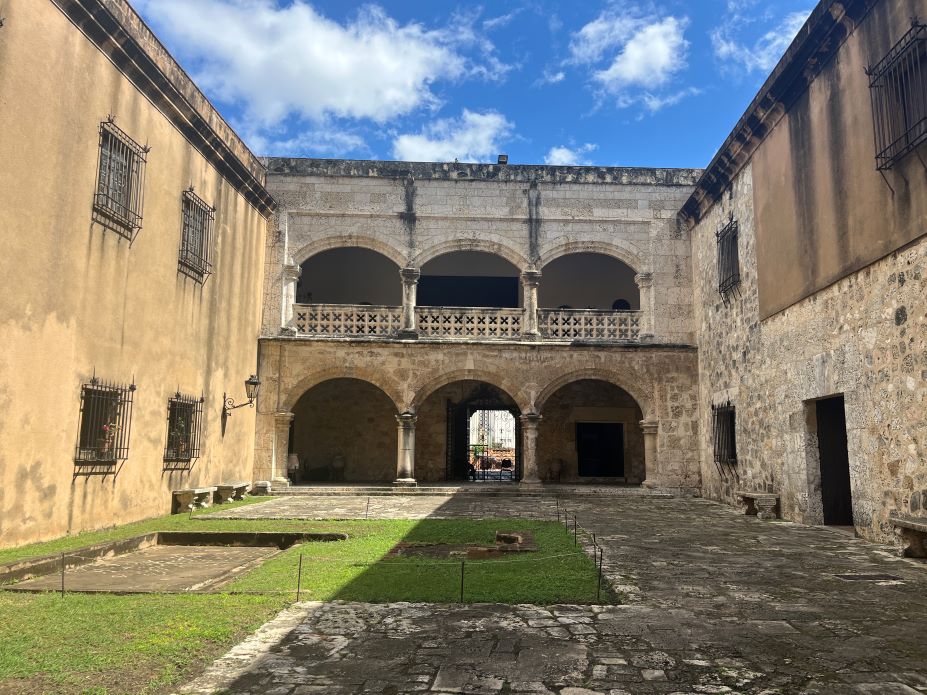
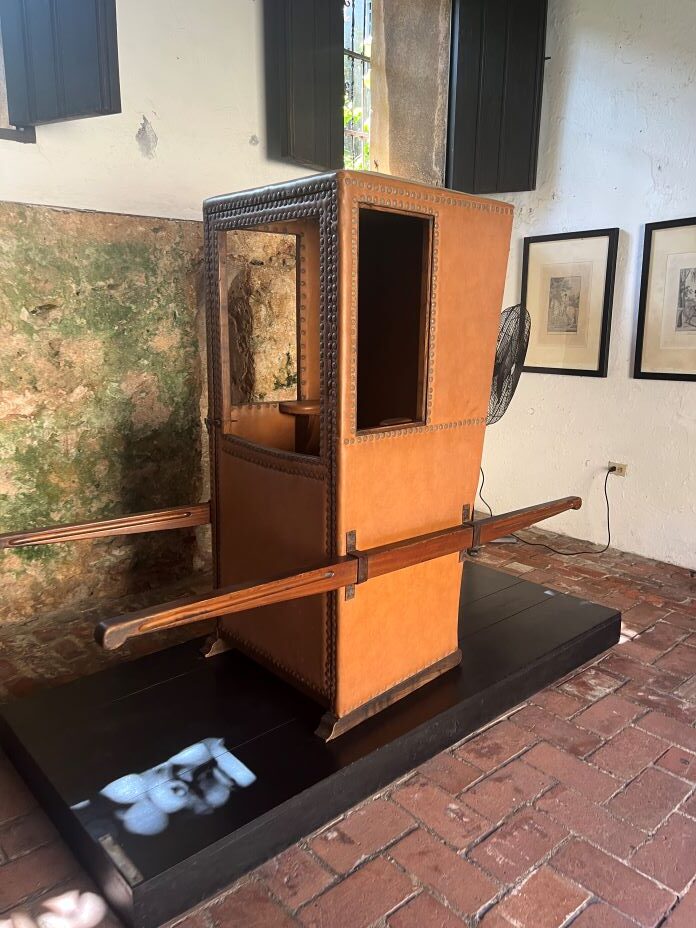
Another interesting attraction was the Museo de las Casas Reales (Museum of Royal Houses), which was once the 16th century royal court of the Spanish governor, housing treasures, weaponry, and artwork that illustrated the Dominican’s history from the arrival of Columbus and the establishment of a Spanish colony to the era of slavery and partial independence from Spain in 1821. An audio guide was included with admission, which was helpful as there was minimal written information in English.
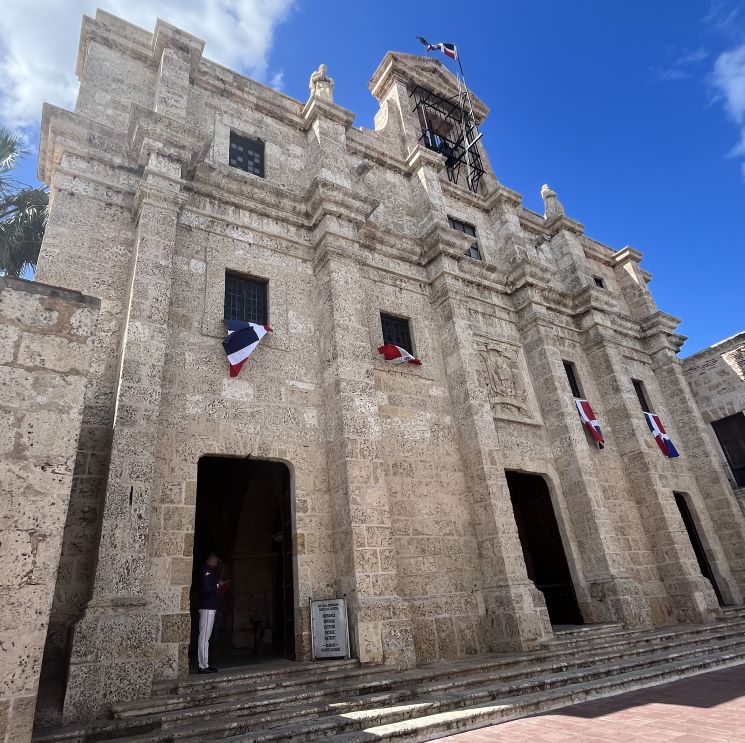
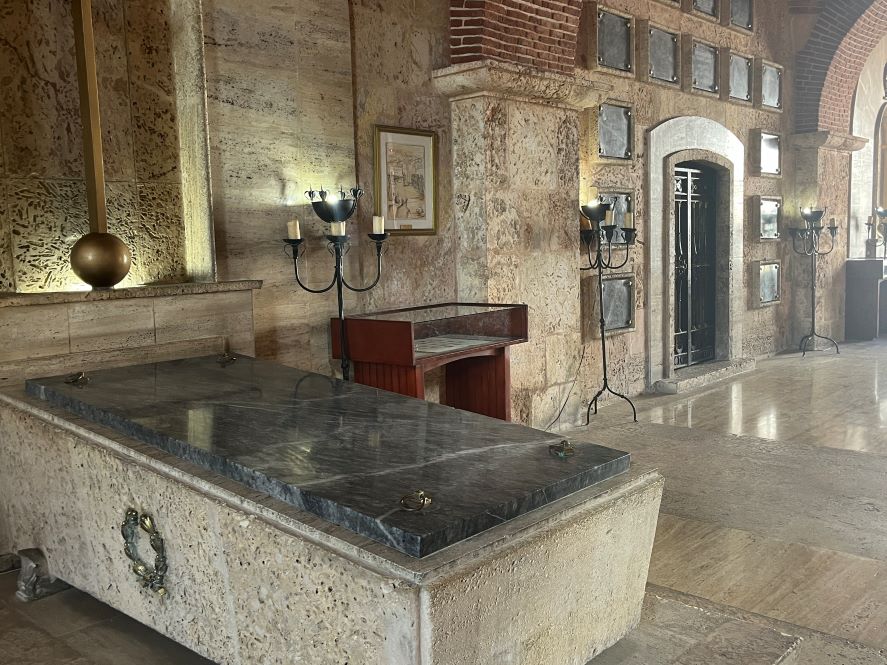
One of the best attractions in Santo Domingo is the Panteón de la Patria (Pantheon of the Fatherland), originally an 18th-century Jesuit church and the last building constructed by the Spanish before independence. Today, it serves as the final resting place for some of the Republic’s most honoured citizens, including the assassins of Trujillo! Inside, the pantheon features flags for the armed forces and a beautifully painted mural on the ceiling, with an eternal flame beneath it, creating a solemn and reflective atmosphere.
The Catedral Primada de las Américas de Santo Domingo was the first cathedral in the Americas, although citizens of Mexico City might argue they had the first in 1524, sadly demolished 40 years later. This makes the Santo Domingo Cathedral the oldest cathedral in the world. Its construction took nearly 20 years, from 1521 to 1540, with numerous architects contributing different styles to its design, including Gothic vaults, Romanesque arches, and Baroque ornamentation. Besides its colonial period oil paintings, the cathedral’s authentic stonework and charming plain statues, unlike the many dressed and painted statues found in cathedrals across Europe, add to its appeal. Among its notable features are the impressive vaulted ceiling and 14 interior chapels filled with religious sculptures, including one packed to the rafters with Christmas decorations!
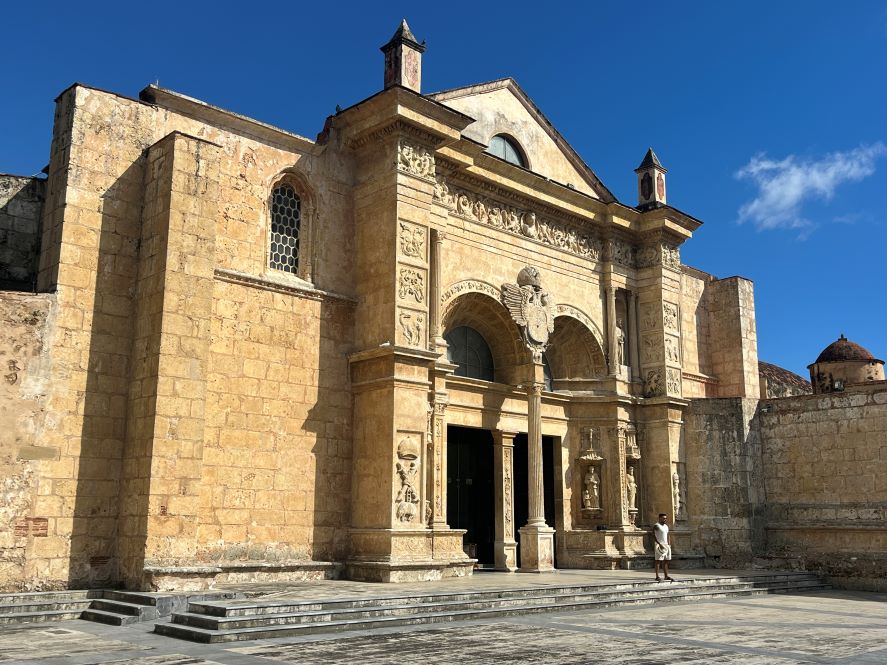
Surprisingly, the cathedral has no spires or even a bell tower, a result of funding shortages at the time. Many argue, however, that this was a deliberate choice to prevent the building from becoming a target of enemy attacks.
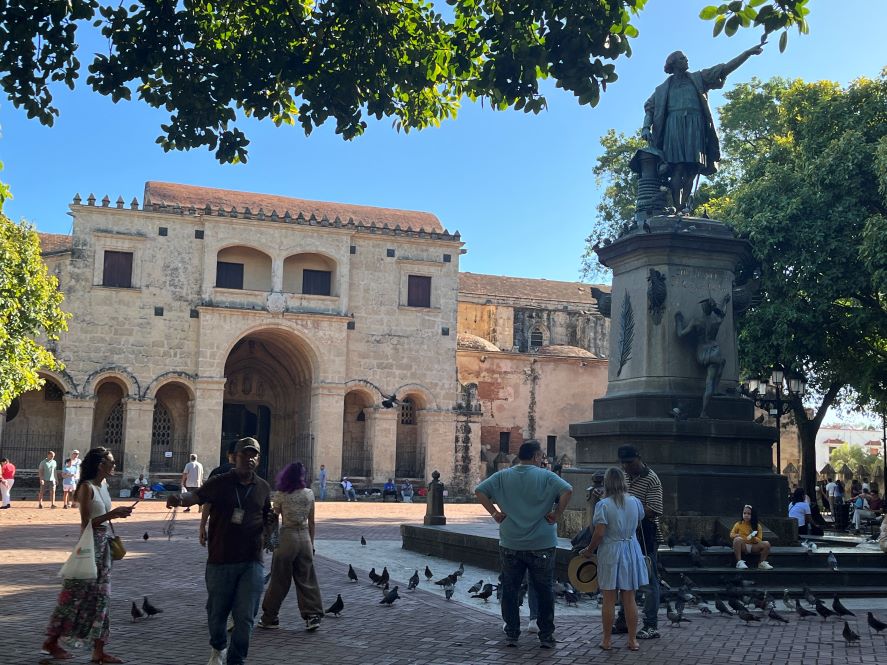
Outside the cathedral’s entrance lies Parque Colón (Columbus Park), which is surrounded by historic monuments and buildings. In the heart of the square stands a statue of Christopher Columbus, mingling with hundreds of tourists and thousands of pigeons. The area features cafés and bistros, along with large shady trees and benches, providing a wonderful place to sit, relax, and people-watch (while avoiding bird droppings!).
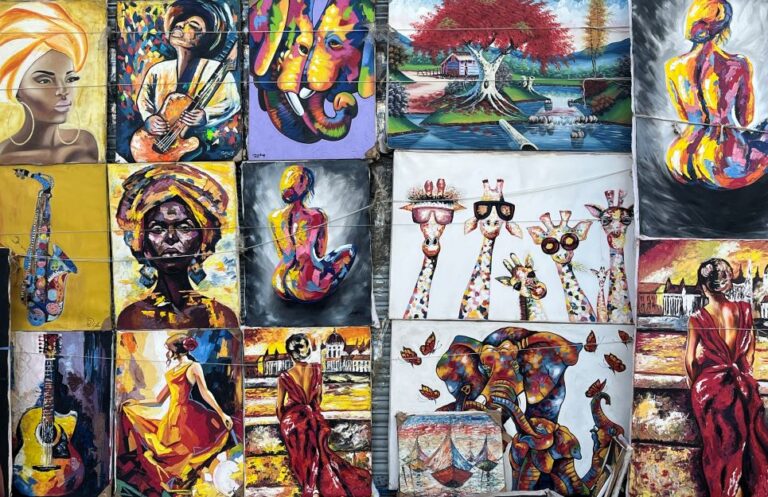
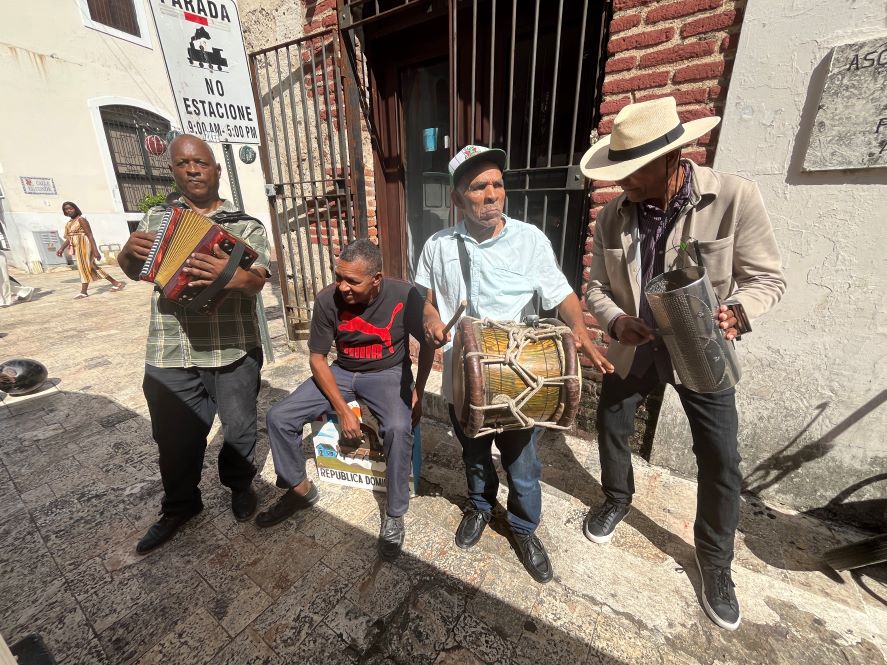
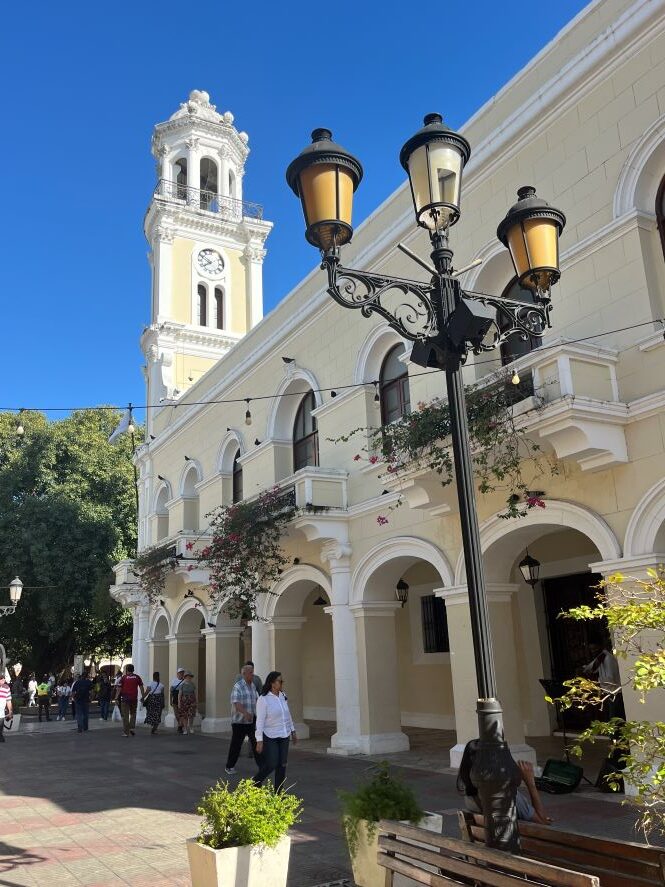
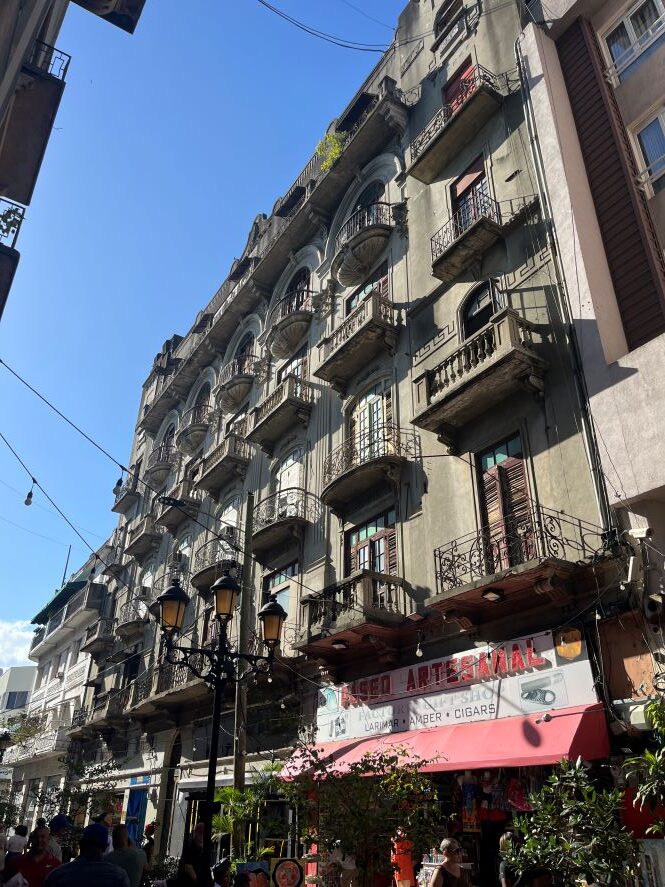
In one corner of the park begins Calle del Conde, one of the city’s most iconic streets. This historic street is the only pedestrian thoroughfare in Santo Domingo and has a rich history, having served as one of the city’s main commercial hubs since colonial times. Although many colonial buildings here have been transformed into shops and restaurants, they still retain their Art Deco features and traditional facades, complete with decorative wooden balconies. The street also had many musicians performing and artists selling their colourful wares, creating a lively, cultural, vibrant atmosphere. I particularly enjoyed walking away from the square, toward the Rio Ozama, where the Alcázar de Colón Palace, once the home of Diego Colón (Christopher Columbus’s son), came into view.
Explored Samaná
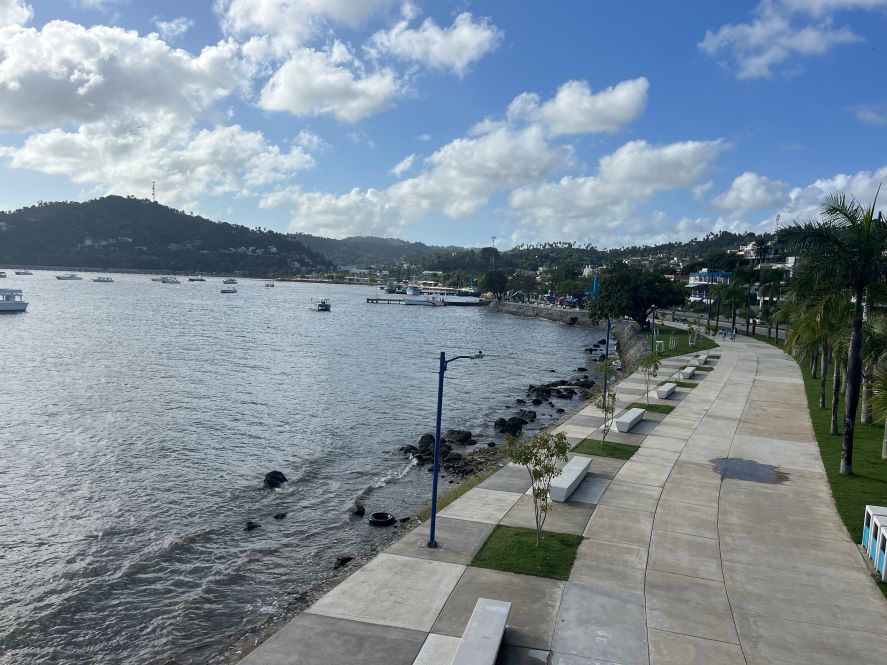
Sticking out of the Republic’s northeastern shore is the Samaná Peninsula. In the past, many battles were fought over its lush, palm-filled forests and natural resources. Today, it offers a secluded, paradisiacal escape with wild beaches, coconut plantations, and rainforests. The rolling mountains and valleys lead down to beautiful white sand beaches that stretch for hundreds of kilometres along the peninsula’s rocky coastline. It’s also an ideal location for spotting humpback whales, kitesurfing, trekking, spelunking, and visiting El Limón waterfall, a highlight of the country.
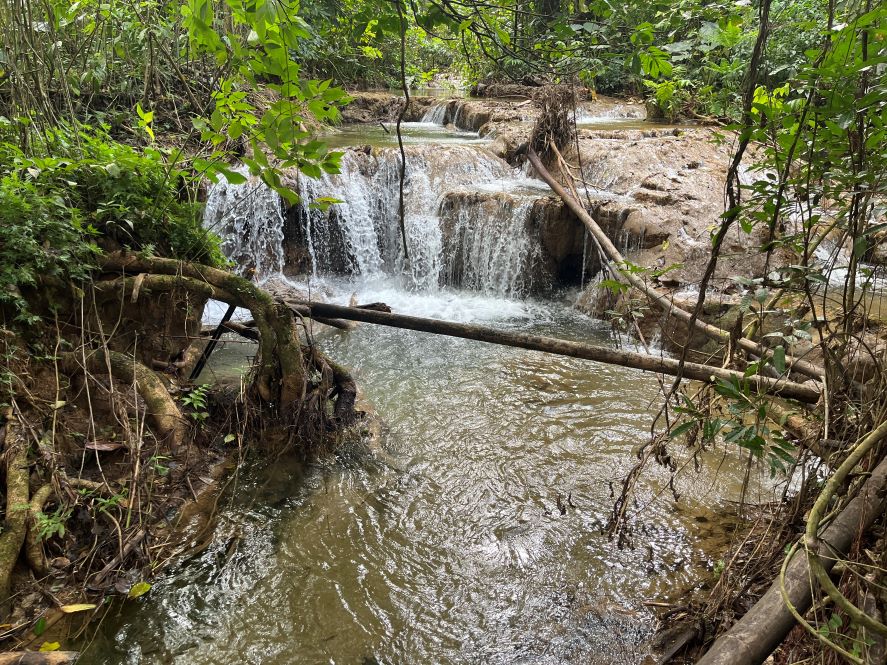
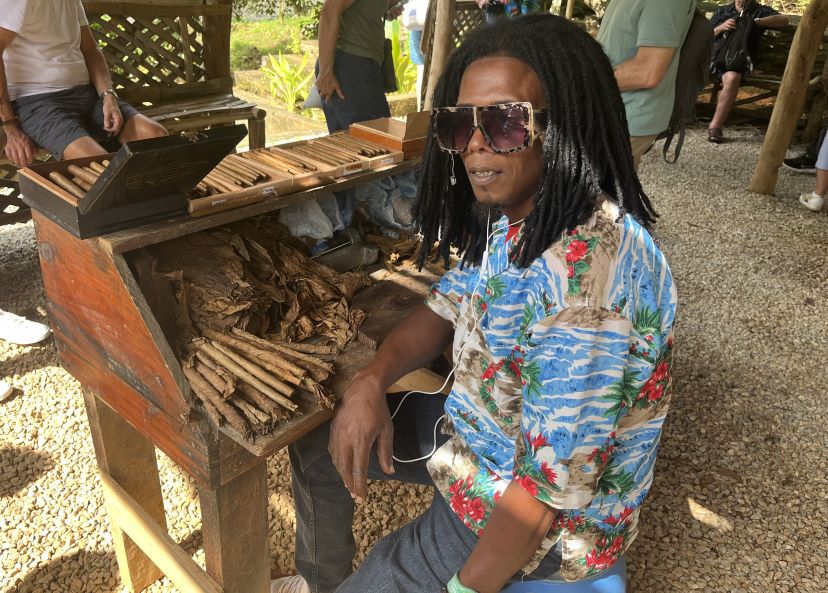
One of the activities we enjoyed was an inland safari tour, travelling on an open-sided bus and listening to our guide’s humorous commentary about social, political, and economic issues in the country. During the tour, we stopped at an interesting cigar-making outlet in a small village that produced its rum-based drinks. From there, we ventured to the beautiful and secluded Playa de Valle, followed by a short hike in the rainforest, and concluded the tour at the stunning Acueducto Samaná waterfall. We quite enjoyed the tour as it was not rushed, and with every stop, there was sufficient time to explore and appreciate our surroundings.
Beached out on Punta Cana
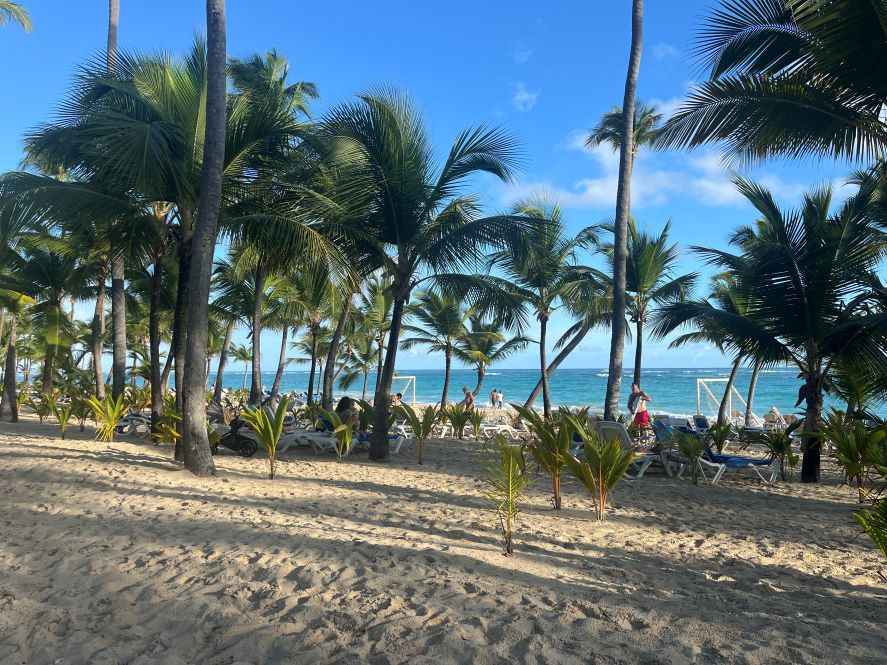
Blessed with 48 kilometres (30 miles) of white sand coastline and towering coconut palms, Punta Cana is the ultimate destination for relaxation by the sea. And that is exactly what we did! While we could describe and show photos of ourselves engaged in our usual adventurous activities, such as trekking to the highest peaks, swimming in cenotes, and exploring ancient towns and villages, this week in Punta Cana, those things simply did not happen. Instead, we spent our time strolling between the beautiful, pristine Blue Flag beaches, enjoying the soft white sand between our toes, swimming in the iridescent, clear water, and visiting the occasional beachfront bar!
If we had more time, we would have explored the following places and activities:
- Alcázar de Colón Palace (the former home of Diego Colón, now an interesting museum rich in history);
- National Park of Los Tres Ojos in Santo Domingo (open-air limestone caves, housing three small underground lakes)
- Columbus Lighthouse in Santo Domingo (a building dedicated to Christopher Columbus, showcasing unusual architecture and containing a museum, as well as what are believed to be Columbus’s remains)
- Saona Island and Catalina Island (beautiful islands in the south of the country, great for snorkelling and lounging on gorgeous beaches)
- Puerto Plata (historical town centre with multi-coloured colonial houses, and pink streets, with some having a ceiling full of colourful umbrellas)
- Damajagua Waterfalls (located 30 minutes from Puerto Plata, with access to 27 beautiful waterfalls)
- Cascada El Limón (in the centre of the country, a 52-metre high waterfall with a beautiful swimming hole at the bottom)
- Samaná (humpback whale watching within the whale sanctuary from January and April)
Accommodation in the Dominican Republic
The Dominican Republic has become the most visited destination in the Caribbean, thanks to its abundance of all-inclusive hotels, which often offer discounts of up to 70% when booked in advance. For travellers looking to explore the country, there are various options: luxury high-rise resorts along the Malecón in the capital, apartments, renovated stone mansions, independently operated beach hotels, family-run rental rooms, and an array of mid-range hotels offering air conditioning, private bathrooms, and hot water. The higher-end accommodations often come with cable TV and breakfast.
There are a few highly recommended hostels in Santo Domingo and other main towns, which provide excellent facilities. Cabañas Turísticas are common roadside hotels that charge by the hour, typically used by couples. Interestingly, camping has become increasingly popular, with campgrounds available in the southwest of the country and along the Pico Duarte trails.
Eating in the Dominican Republic
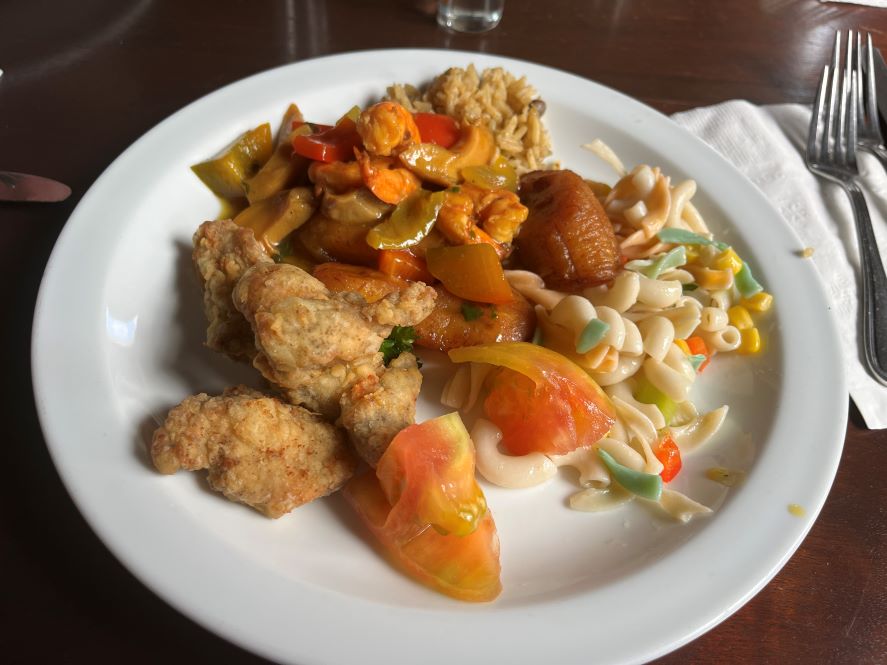
Most of our meals were enjoyed in hotels around Samaná and Punta Cana, as well as in a few cafes in Santo Domingo. However, we can’t claim to have gained much expertise in Dominican cuisine, other than appreciating the very good coffee. Typical meals feature meat or seafood, grains like rice, corn (which is native to the island), as well as vegetables such as beans and other legumes, potatoes, yuca, plantains, and salads. Main dishes can often be greasy and are usually accompanied by a slightly spiced tomato sauce, especially when seafood is served. Unfortunately, the island is not very vegetarian or vegan-friendly when it comes to dining out.
Many Dominicans shop at small colmados, little shops stocked with basic food supplies, a selection of liquors, and some fresh produce. Outside the urban areas, most Dominicans do not own refrigerators, so they buy fresh ingredients daily. It is therefore not uncommon to see someone purchasing a single spoonful of tomato paste, for instance. In cities and resort areas, more traditional grocery stores are available, arranged similarly to those at home.
Travellingterry Dominican Republic tips:
- When visiting the Catedral Primada de las Américas in Santo Domingo, bare shoulders and legs are prohibited. Shawls are provided at the entrance for those who need them.
- There is a free visit inside the National Palace from Tuesday to Friday between 10:00 AM and 3:00 PM. A written request is required two weeks in advance and there is a very strict dress code.
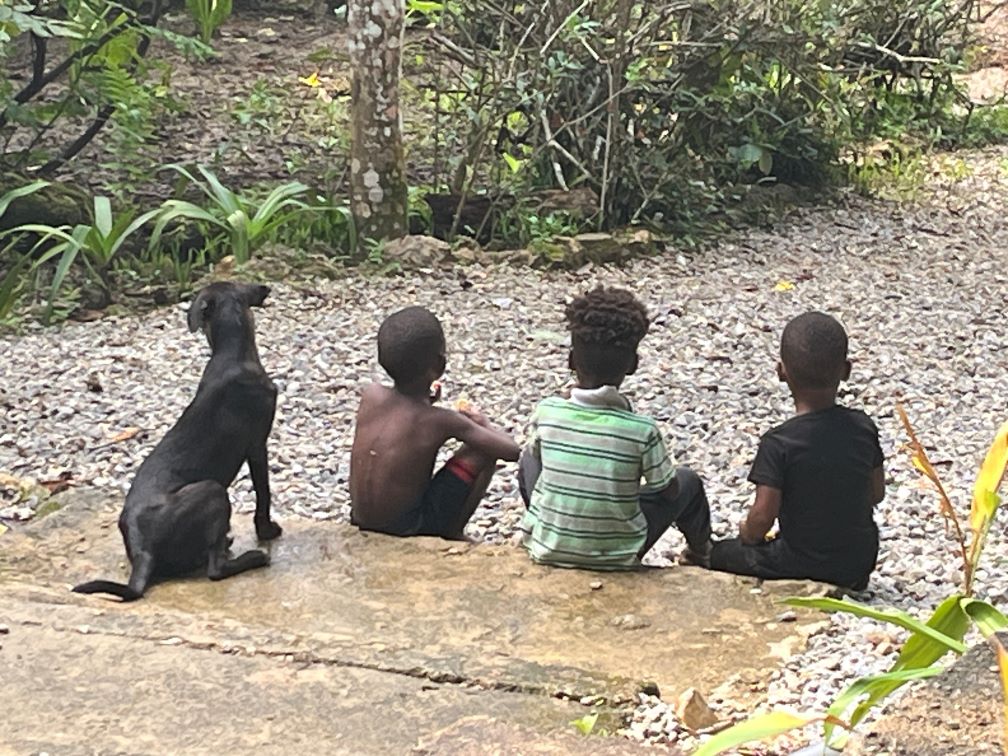
- Although the Dominican Republic is generally considered safe for travel, it is also a very poor country. Travellers should exercise common sense: carry only what is needed, avoid wearing jewellery or flashy valuables, and remain aware of any surroundings.
- The hurricane season runs from August to November, and storms can be severe.
- Money exchanges usually offer fractionally better rates than banks and ATMs, but the savings are often not worth the safety risks.
- When using a credit card, always opt to pay in local currency to reduce transaction fees that may occur from currency conversions.
- The following websites are useful starting points for planning a trip to the Dominican Republic: Go Dominican Republic, Visit Dominican Republic and Santo Domingo Tourism.