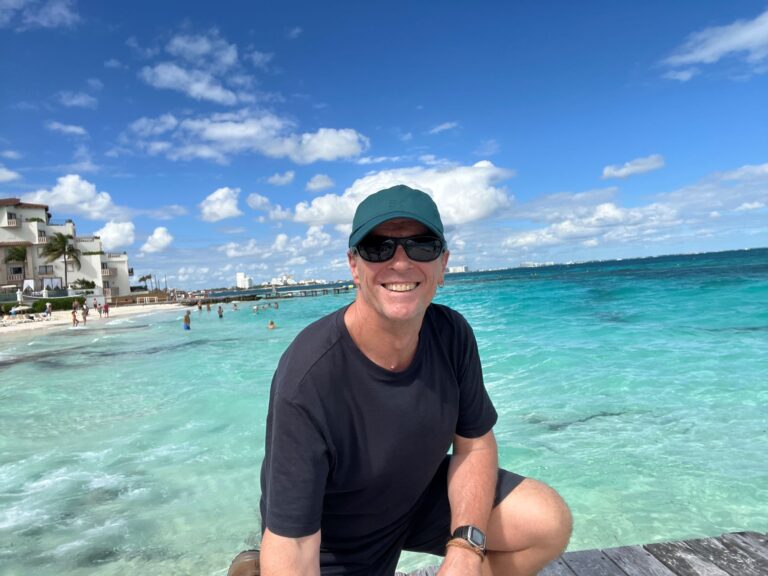
Cancún is really a tale of two cities, with Cancún Island known as the ‘Hotel Zone’ that offers majestic beaches, and Ciudad Cancún seen as the ‘Downtown Area’ which provides more of a local flavour. Yet, ultimately there is no getting away from the fact that with mile after mile of powdery white-sand beaches providing access to the gorgeous Caribbean Sea, Cancún has become the official party capital of Mexico.
Being at the start of my Central American trip, I can recommend Cancún as a great place to recuperate from a long flight, delve into a bit of Mayan Culture, test out the street food and become acclimatised to the climate and the laid-back atmosphere. But I would not say it’s ideal for backpackers – prices can sometimes be trebled compared to the rest of Yucatán, although the frequent buses, R1 and R2, that loop around both areas of Cancún can save a few bucks!
My Cancún Highlights
Cancún is primarily known as a resort destination, which made it quite different from the typical Mexican cities I had visited before. At first, it seemed to lack any adventures beyond water activities. However, after exploring further, I discovered that there are actually many more things to do in Cancún besides lounging on the beach!
Cycled around Cancún’s Hotel Zone
The Hotel Zone is primarily a tourist area with resorts, catamarans, nightlife and beautiful beaches. This strip of land, approximately 16 miles long, is where most vacationers choose to stay. Hotels, restaurants and bars line the only road, Boulevard Kulkulcan, most with flamboyant designs built on a grand scale, but with very little architecture illustrating Mexico’s Mayan Period.
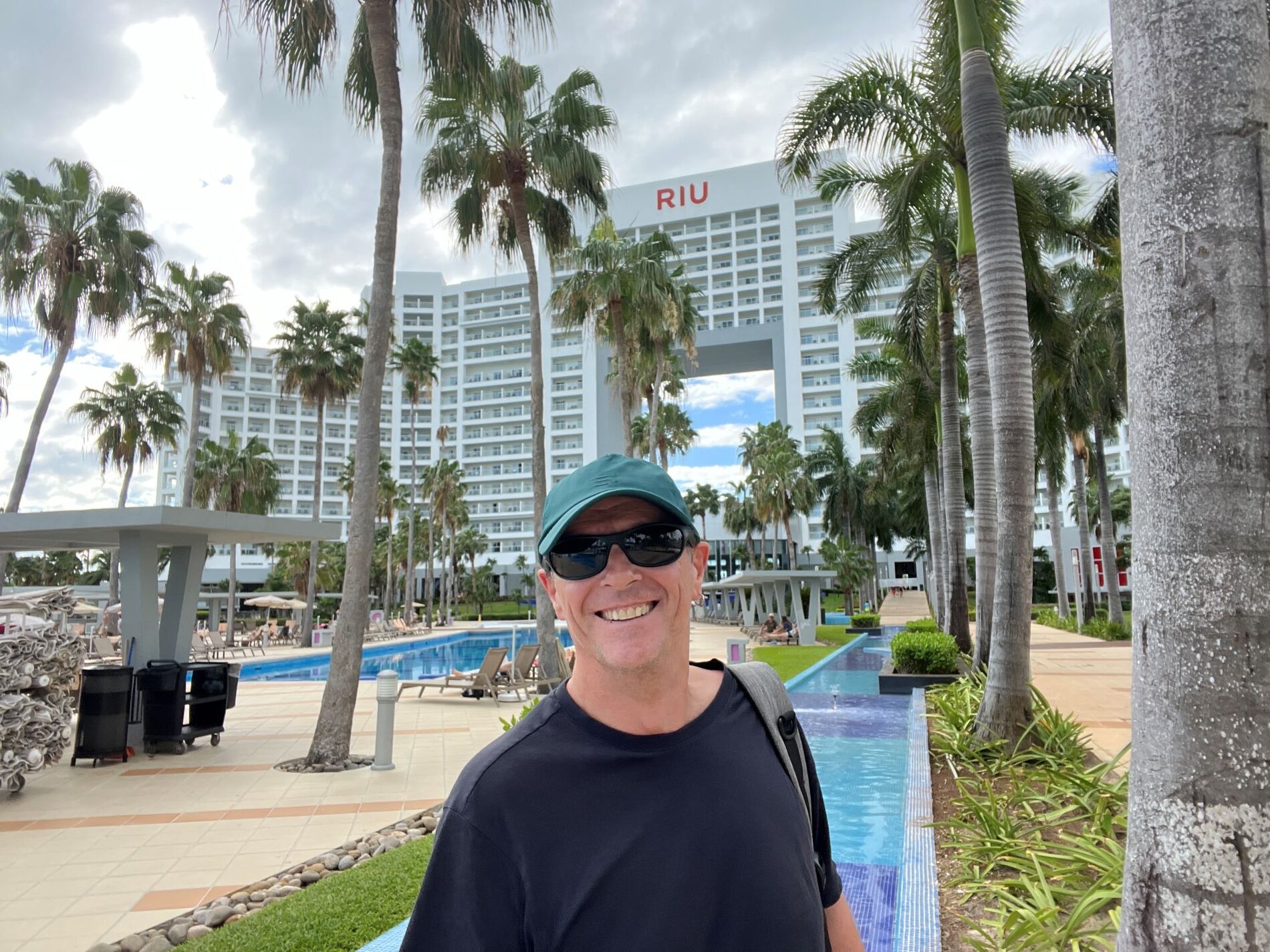
I cycled a considerable distance down the strip, stopping at various places that caught my eye. However, I discovered very quickly that there wasn’t much architectural variation from one resort to another, except for the pockets of tourist-themed restaurants in between.
Visited Cancún’s best Beaches
Although I didn’t stay long in Cancún to truly appreciate the beach atmosphere, what I did see was certainly Instagram-worthy. The coastline boasted several beautiful public beaches with soft white sand, aqua-blue waters, and a slight breeze – pure beauty, and all very well maintained.
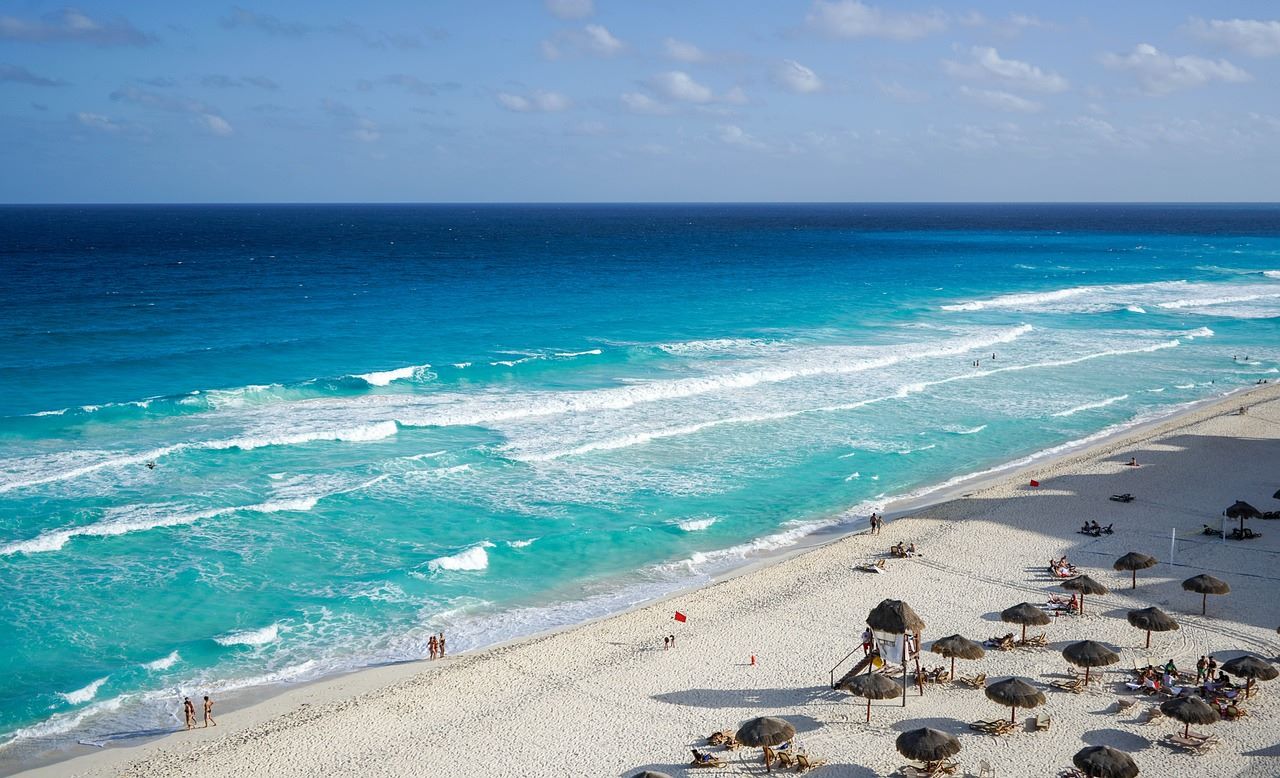
A couple of beaches I stopped by were the impressively long Playa Defines which was one of the largest beaches in Cancún and without too many hotels blocking the views. It was also a great place for the extremely popular colourful ‘CANCÚN’ beach sign. Playa Tortugas seemed a family fun place with calmer waters, while Playa Forum had a more vibrant party atmosphere with numerous beachfront bars and restaurants.
Explored Downtown Cancún
I spent a fair bit of time along the main drag of Ciudad Cancún (downtown) – Avenue Tulum, which was always lively and bustling with various activities. Here, I experienced a taste of local culture, delicious street food, and an opportunity to observe locals going about their daily business. Despite the many souvenir shops, tour vendors, and restaurants aimed at tourists, this area also served as the main residential area for locals.
Wandering around provided me with a glimpse into the ‘real’ Cancún, where many Mexicans were plying their trade in various streets off the main drag, socialising in down-to-earth bars, and families enjoying themselves at the busy Parque de las Palapas.
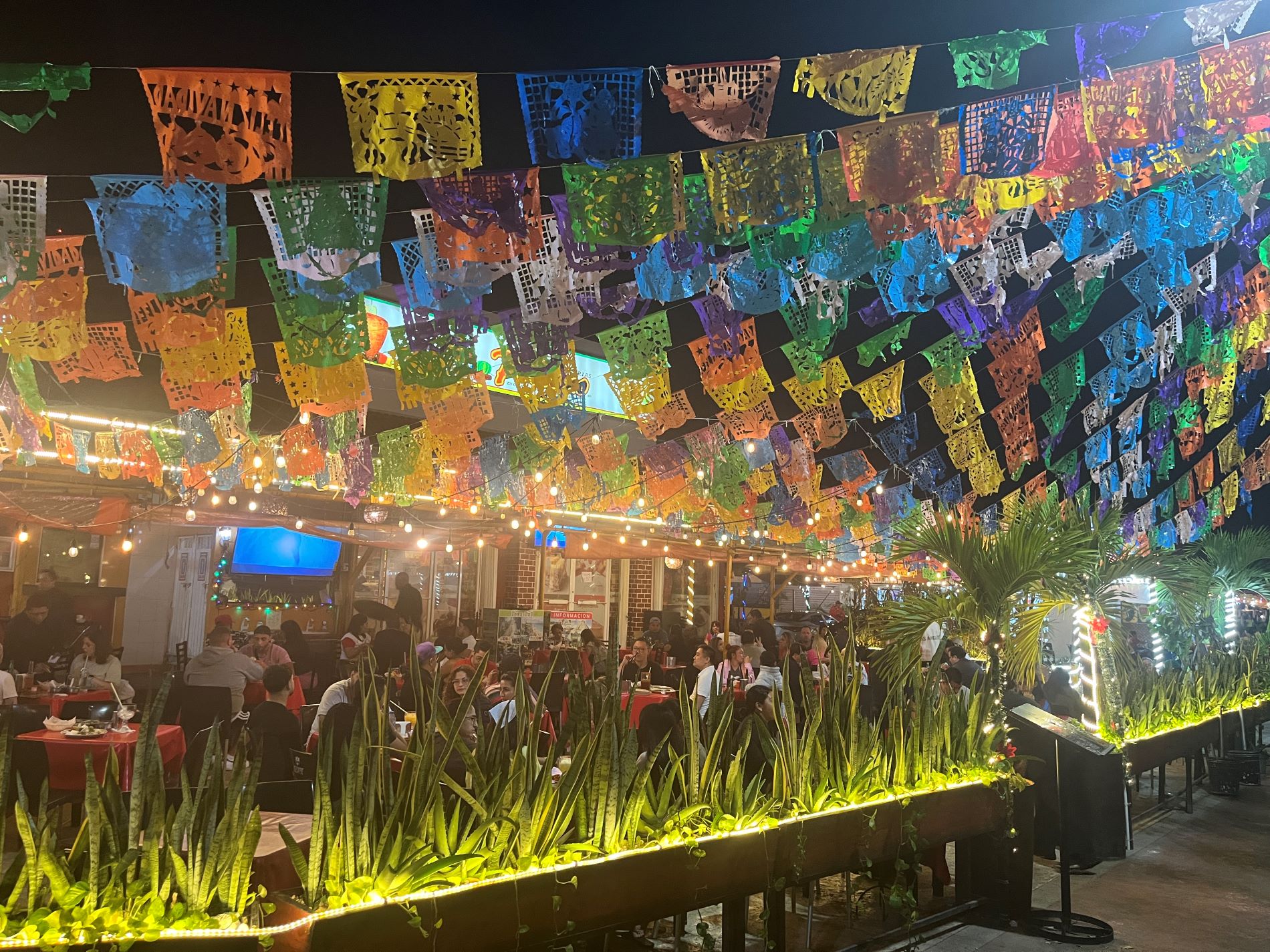
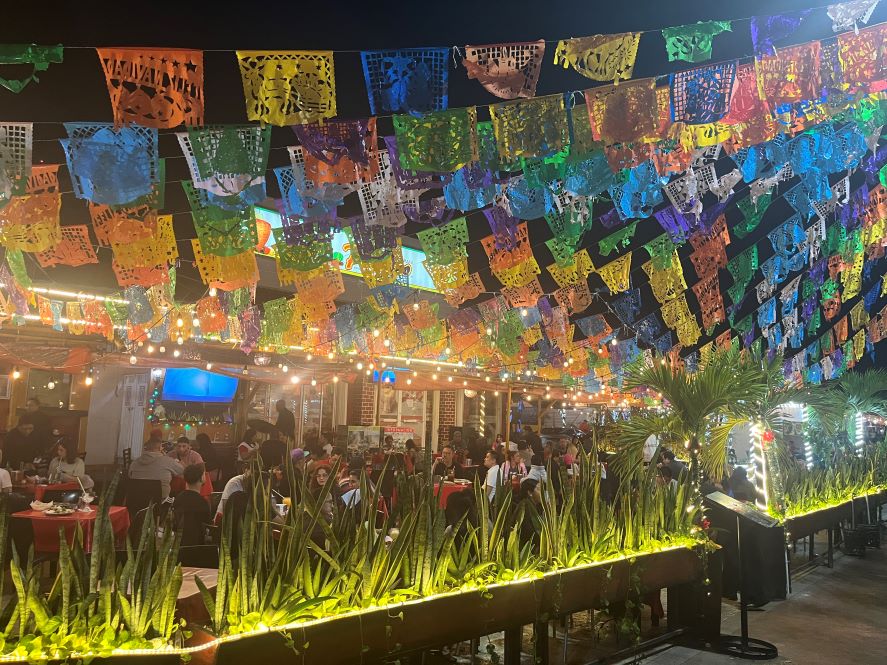
The evenings along Avenue Tulum were atmospheric as colourful street market stalls emerged, inviting families and friends to stroll in the cooler temperatures while snacking on tacos or hotdogs. I found this area to be a great place for reasonably priced meals (unlike the expensive options in the Hotel Zone) and, of course, the obligatory tequila at many of the countless restaurants that spilled out onto the streets.
Surveyed Cancún from a Great Height
I thoroughly enjoyed the Torre Escénica del Embarcadero de Cancún (Cancún Tower), which at 300 feet (100 meters) provided incredible views of the Caribbean coast and Cancún itself. The ticket price included an audio guide that explained all the sights I was viewing while the deck rotated. I got an amazing bird’s-eye view of the entire Hotel Zone and parts of downtown Cancún. The slow four-minute ride up to the deck added to the anticipated excitement.
Shopped at Mercado 28
Unusually for me, on the first day of this trip I visited a mall! But this was not the usual typical mall as seen in Europe and South- East Asia – this was Mercado 28, a huge flea-market boasting over 600 stalls and selling absolutely everything imaginable.
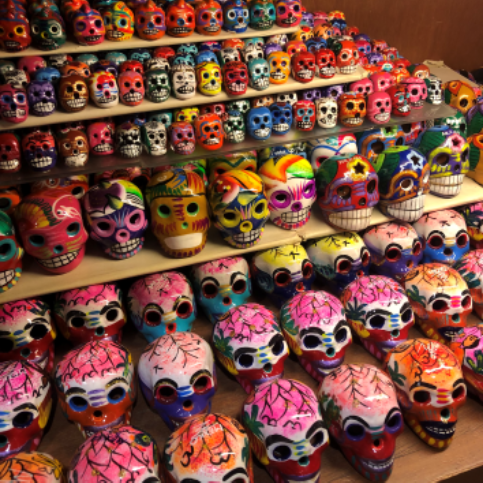
Located in downtown Cancún, Mercado 28 is filled with colourful stalls and traditionally decorated shop fronts displaying a wide array of unique items. It is a wondrous place to browse. Whether it’s textiles, maracas, or ceramics, many of these handicrafts are made by the vendors themselves, adding to the appeal of this market.
Wandered around the Museo Maya de Cancún & San Miguelito Ruins
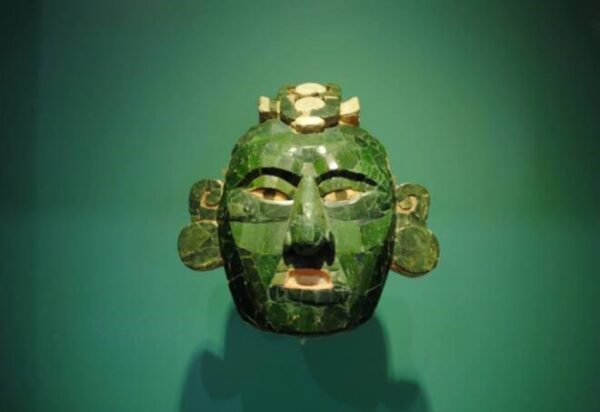
Situated in the Hotel Zone, this complex offered a welcome escape for an hour or two away from the busy beaches. Inside, three galleries were displaying Mayan culture and history, featuring sculptures and artefacts such as jewellery, hand-made tools and ceramics, all found at local sites throughout the Yucatán Peninsula.
Although it was very well laid out, sadly for me, the museum lacked English translation and also needed a bit of TLC, especially the cleanliness around the galleries. However, the entry ticket provided access to the ruins of San Miguelito, which included several temples, a five-story palace (pyramid), and traditional Mayan family homes. Set within a jungle environment, each section of the ruins was connected by beautiful paths winding through indigenous trees and palms that offered welcome shade.
If I had more time, I would have explored the following places and activities:
- Water sport activity (scuba/snorkel around hundreds at the underwater sculptures at the museum of MUSA, board a sailing catamaran for a sunset trip, scuba-dive at Mesoamerican Barrier Reef (the second largest reef in the world), swam with whale sharks or swam in cenotes along the Ruta De Cenotes (near the city of Puerto Morelos);
- El Roco Ruins (a small archaeological zone with Mayan ruins including a 41-foot high pyramid);
- Isla Mujeres (sleepy fishing village with a rocky coast and gorgeous bays, well-known for sunrises, turtle farms and Mayan ruins);
- Parque Ecológico Kabah (nature walking trails where iguanas, turtles and crocodiles can be seen).
Accommodation in Cancún
Cancún offers an abundance of hotels and hostels, providing tens of thousands of rooms that range from budget-friendly hostels in the downtown area to luxury five-star accommodation in the Hotel Zone for holidaymakers willing to spend a bit more… maybe more than just a bit!
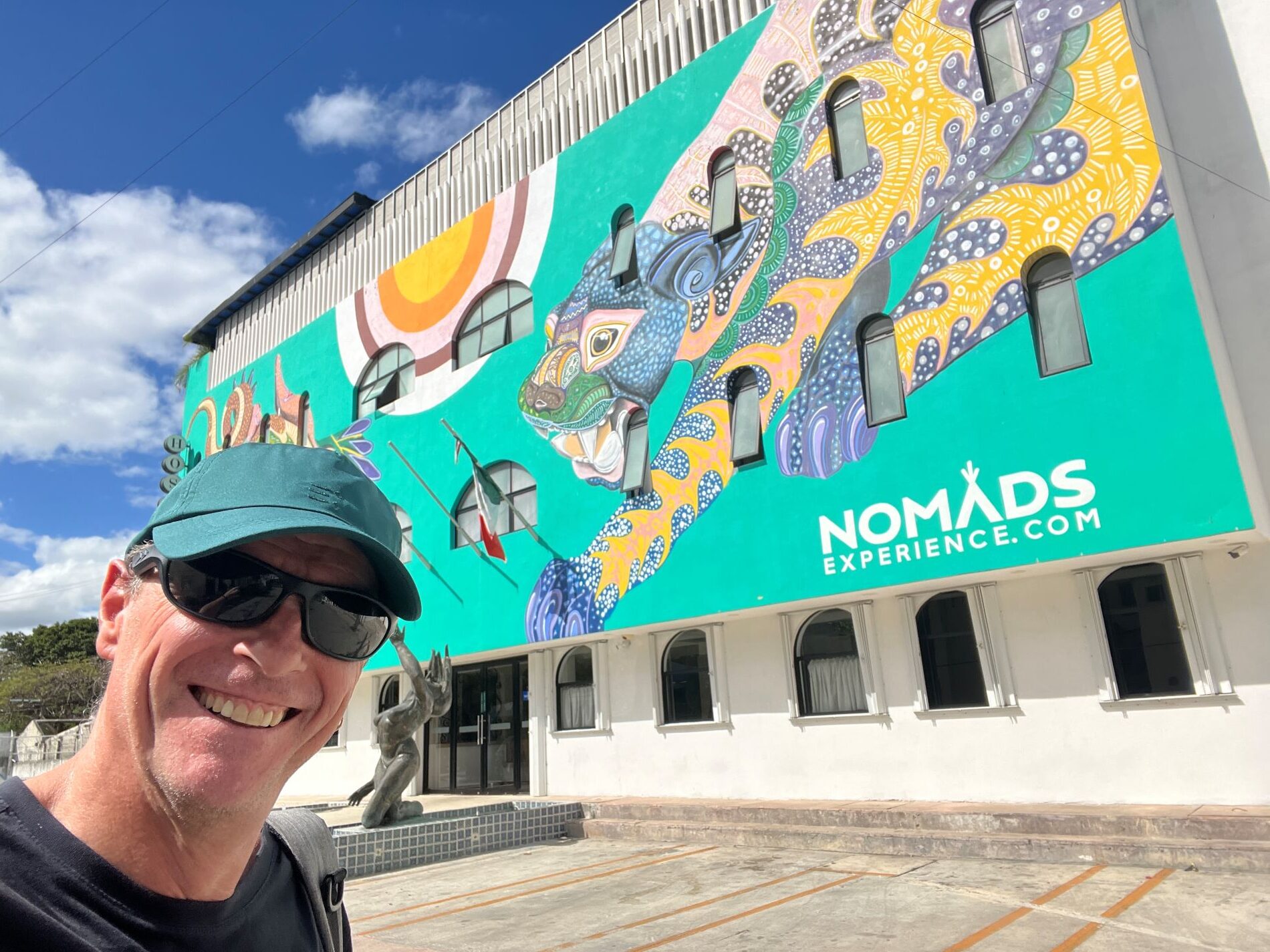
Of the many hostels available in Cancún, they seem to come with varying standards. I stayed at the fabulous Nomads Party Hostel, and I cannot recommend it enough. Situated in downtown Cancún, the Nomad had everything I needed for a short 3-night stay. It offered many activities from biking to cooking, as well as daily yoga/fitness sessions and beach trips. In addition, the roof bar and swimming pool were fun, and the super informative staff were extremely helpful with great advice and recommendations when travelling further around Yucatán and Chiapas.
Eating in Cancún
It was quite difficult to go more than 20 metres and not pass an eatery of some sort – especially in Downtown Cancún. The more expensive options were in the Hotel Zone and I am sure it would have been a highly entertaining affair, but I stuck to the Ciudad Cancún and found some reasonably priced eateries. All supermarkets/malls sold local beer and meals at local prices, usually with a bakery selling a wide range of tasty pastries.
In the evenings, I was in dreamland with amazing street food and the countless taco stands on offer, with the tastiest being along Avenidas Tulum and the area around Paraque de la Palapa.
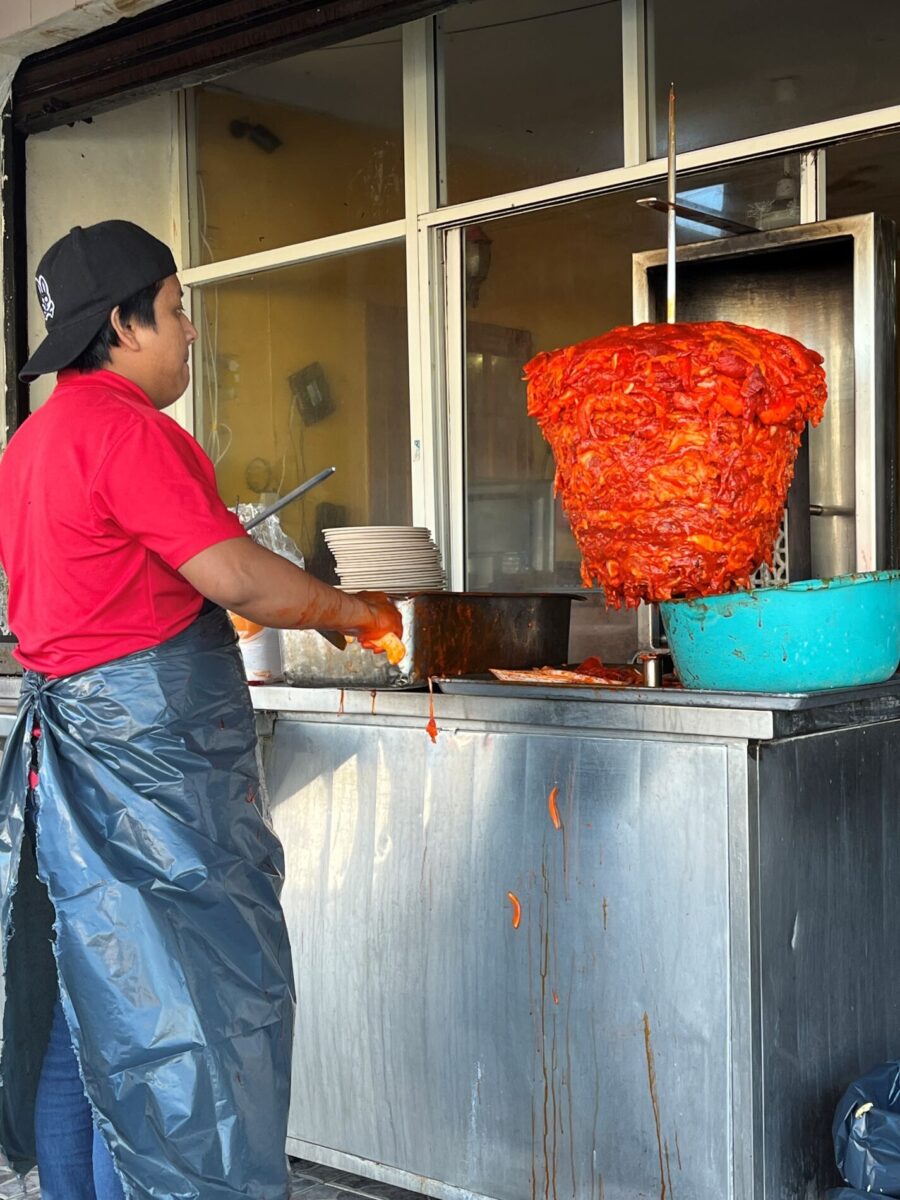
One of my tastiest snacks – although invariably ended up as a meal, was the incredibly delicious Tacos al Pastor, a classic Mexican Shawarma. My first sample was a wrap, but it’s far better served as a taco. The chicken or pork meat was marinated with chilli and spices in a secret recipe only known by the vendor, usually with a slice of pineapple or lime, but certainly with numerous sauces/dips. Magical!
Travellingterry Cancún Tips
- Tip and haggle respectfully, as some staff receive miserable salaries, and market sellers are just trying to make a living.
- Although Cancún is generally considered a safe place, it’s wise to stay alert when walking alone, especially at night. Avoid using ATMs at night and wearing valuable items that attract attention at any time.
- An obvious mistake I made was not planning a couple more days to venture further South, and visiting fishing towns, cenotes, and nearby islands. There is more than just the Hotel Zone and Downtown.
- Sunscreen is very expensive in Cancún.
- Bus numbers R1 and R2 are great. They frequently travel between Downtown and the Hotel Zone, and are very cheap.
- In the hostel I stayed in, there were reports of tourists who had their day packs snatched from the front basket of the bicycles they had hired. When I hire a bike (in fact, anytime I hire a bicycle or motorbike), I make sure that the pack is securely fastened and that there are no valuables inside. Money and mobiles are kept in my zipped pockets at all times, and I very rarely take credit cards out with me; instead just take a little bit more than enough cash for the day’s activities.
- A couple of Useful websites: Go Visit Cancún and Cancun Traveler, but I found most of the travelling and sightseeing information I needed (including tours) from the hostel I stayed in. The ADO bus company also provided a start for onward travel options.
Onward Travel: Bus to Mérida
Although I had hoped to take the newly built Mayan Train to Mérida, it was more convenient for me to take the ADO bus from the terminal, just a 10-minute walk from my hostel. I was particularly glad I had booked my ticket online a couple of weeks earlier, as it had completely sold out on the day of my travel.
I found the ADO buses to be quite comfortable, though I noticed they were more expensive than what I would have paid in Europe for a similar distance. Still, this was a better option than the chicken bus, which would have cost a third of the price but would have taken much longer and offered less security for my luggage. Since this was my first long-distance bus journey in Central America, I thought it was a good opportunity to try out this more luxurious option, and it did not disappoint.